


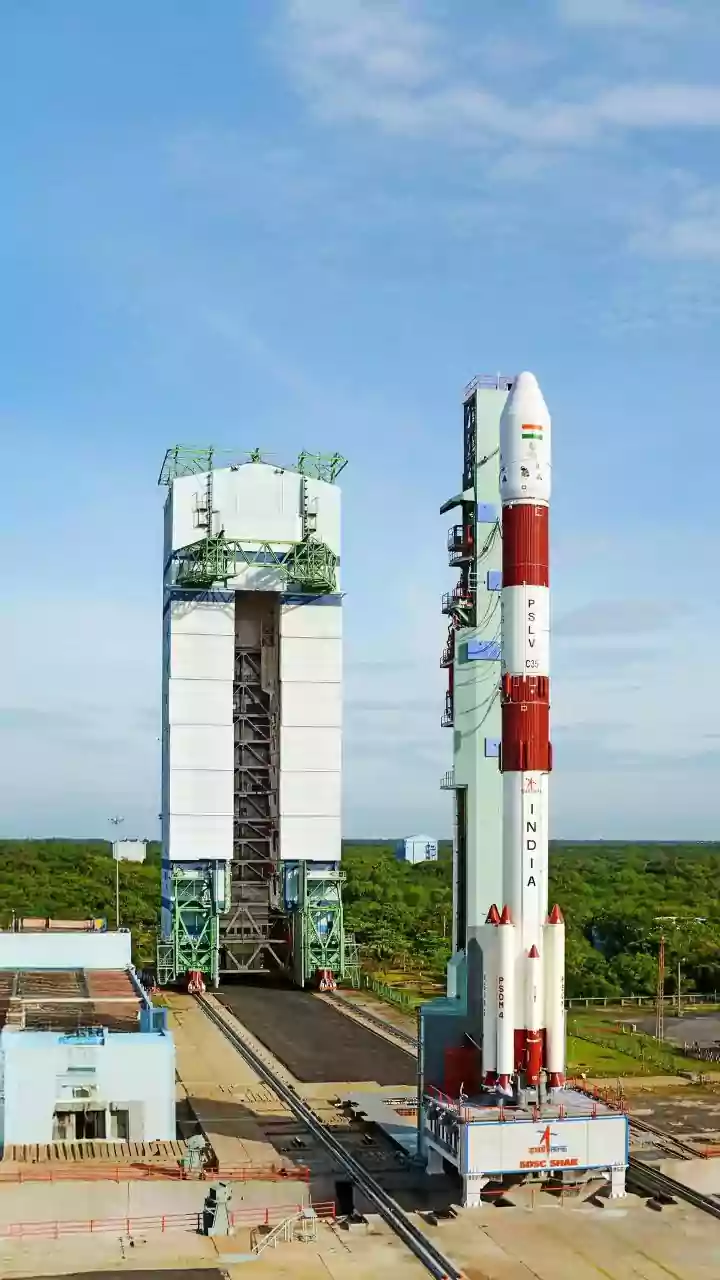






Mission Aagaman: A New Beginning
Skyroot Aerospace has confirmed a launch window between July 12 and August 4, 2026, for the maiden flight of its Vikram-1 rocket. Named 'Mission Aagaman', which translates to 'Arrival', the launch is more than just a single mission; it signifies the arrival
of India's private sector on the global stage of orbital spaceflight. The Vikram-1, India's first privately developed orbital rocket, is scheduled to lift off from the Satish Dhawan Space Centre in Sriharikota. This mission follows Skyroot’s successful 2022 suborbital launch of the Vikram-S, which was the first privately built rocket to reach space from Indian soil. While that was a crucial first step, Vikram-1 is the real prize: an orbital vehicle capable of deploying satellites for commercial customers.
The Rocket and its Goals
The Vikram-1 is a seven-storey, multi-stage vehicle built with an advanced all-carbon composite structure to keep it lightweight yet strong. It is designed to carry small satellites, weighing up to 350 kg, into low Earth orbit. The primary objective for this first flight is to capture critical performance data on everything from its propulsion systems to its guidance and stage separation mechanisms. Co-founder and CEO Pawan Kumar Chandana emphasized that this real-world flight data is invaluable and cannot be fully replicated in ground tests. The mission will be partially commercial, carrying payloads for both domestic and international clients, with plans to begin full commercial operations after a couple of successful demonstration flights.
Hyderabad: India's Emerging 'Space City'
This launch places a significant spotlight on Hyderabad. While Bengaluru has traditionally been seen as India's space capital, Hyderabad has been quietly building a formidable space-tech ecosystem. The city is now home to an estimated 95 space-tech startups. Skyroot, founded by former ISRO scientists Pawan Kumar Chandana and Naga Bharath Daka, is headquartered in the city and was incubated at the T-Hub innovation campus. In November 2025, the company's massive 200,000-square-foot Infinity Campus was inaugurated, capable of producing one orbital rocket per month. The city's strengths in defense research, manufacturing, and a deep IT talent pool create a fertile ground for such high-tech ventures.
An Ecosystem of Innovators
Skyroot is not alone. A cluster of innovative companies is bolstering Hyderabad's claim as a space hub. Companies like Dhruva Space, which focuses on satellite platforms and has also launched multiple assets, and Ananth Technologies are key players. This growing density of startups, supported by government-backed incubators and access to a robust supply chain for aerospace and defense, creates a powerful network effect. It allows for rapid prototyping and scaling, transforming the city into a one-stop-shop for designing, building, and operating space assets. The ecosystem covers everything from launch vehicles and satellites to AI-powered orbital systems.
The Bigger Picture for India
Skyroot’s upcoming launch is a direct result of India's strategic decision in 2020 to open its space sector to private participation. The establishment of IN-SPACe (Indian National Space Promotion and Authorization Center) created a regulatory framework to support non-governmental entities. This policy shift allows private firms to access ISRO's world-class facilities and expertise, accelerating development and reducing costs. The goal is to move from a supply-driven model to a demand-driven one, where private companies can serve the booming global market for small satellite launches. A successful Vikram-1 launch would be the most significant validation of this policy yet, proving that India's private industry can compete on the world stage.