




Your Wallet Will Thank You
The single biggest driver behind Vietnam's rising popularity is its affordability. For young Indians conscious of their budgets, the country offers incredible value for money. A 7-day trip can cost between ₹55,000 and ₹95,000 per person, a figure that
is often significantly lower than a comparable trip to Europe or even other Southeast Asian hotspots. On-ground expenses are where the savings really add up. A delicious bowl of Phở, the national noodle soup, can be enjoyed for as little as ₹100-250, and a comfortable room in a boutique hotel or guesthouse can be found for a fraction of the price of similar properties in other major tourist destinations. This financial accessibility allows travellers to experience more, from overnight cruises to cooking classes, without the constant stress of overspending.
Hassle-Free Entry and Direct Flights
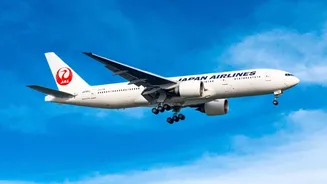
A complicated visa process can be a major deterrent for a short holiday. Vietnam has solved this with its straightforward e-visa system for Indian citizens. The online application is simple, costs around $25 USD, and is typically processed within a few working days for a stay of up to 90 days. This ease of entry has been a game-changer. Complementing the simple visa process is the growing number of direct flights. Airlines like VietJet Air, IndiGo, and Air India now operate direct routes from major Indian cities including Delhi, Mumbai, Kolkata, and Ahmedabad to Vietnamese hubs like Hanoi, Ho Chi Minh City, and Da Nang. With flight times around four to five hours, Vietnam is closer than many think, making it perfect for a four or five-day break.
A Feast for the Senses
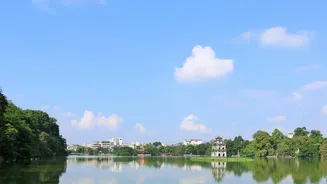
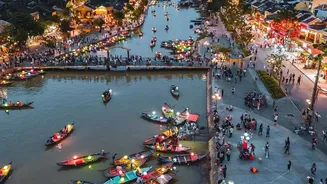
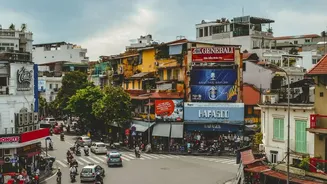
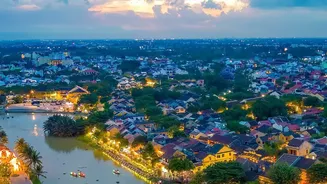
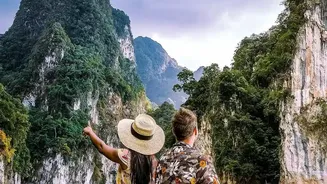
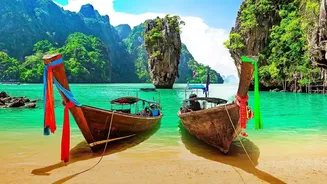
While budget is a major draw, it's the sheer diversity of experiences that seals the deal. Vietnam offers a captivating blend of natural beauty, rich history, and vibrant urban life. Travellers can cruise through the stunning limestone karsts of Ha Long Bay, a UNESCO World Heritage site, wander through the lantern-lit ancient town of Hoi An, or explore the bustling streets and French colonial architecture of Hanoi. The country's history is palpable, from the Imperial City of Hue to the Cu Chi Tunnels near Ho Chi Minh City. For food lovers, the culinary scene is a world-class attraction in itself, with a strong emphasis on fresh ingredients and bold flavours. The increasing availability of Indian and vegetarian food in major tourist areas has also made it more comfortable for Indian palates.
Beyond the Usual Tourist Trail
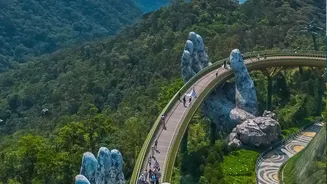
For many millennials who have already visited more common destinations like Thailand or Bali, Vietnam offers a sense of discovery. It provides a different cultural texture, one that feels both adventurous and deeply authentic. The landscapes are exceptionally photogenic, a key factor for a generation that documents and shares its travels online. Locations like the Golden Bridge held up by giant stone hands near Da Nang, the terraced rice fields of Sapa, and the colourful chaos of Hanoi's Old Quarter are social media stars, inspiring wanderlust and placing Vietnam firmly on the travel map. This combination of being less crowded than some neighbours while offering stunning, shareable moments makes it a compelling alternative.