



The Double Burden of Water and Power
Across Maharashtra, smallholder farmers—those with just a few acres of land—face a constant struggle for survival. Their livelihoods are directly dependent on reliable access to water, a resource made precarious by erratic rainfall and depleting groundwater
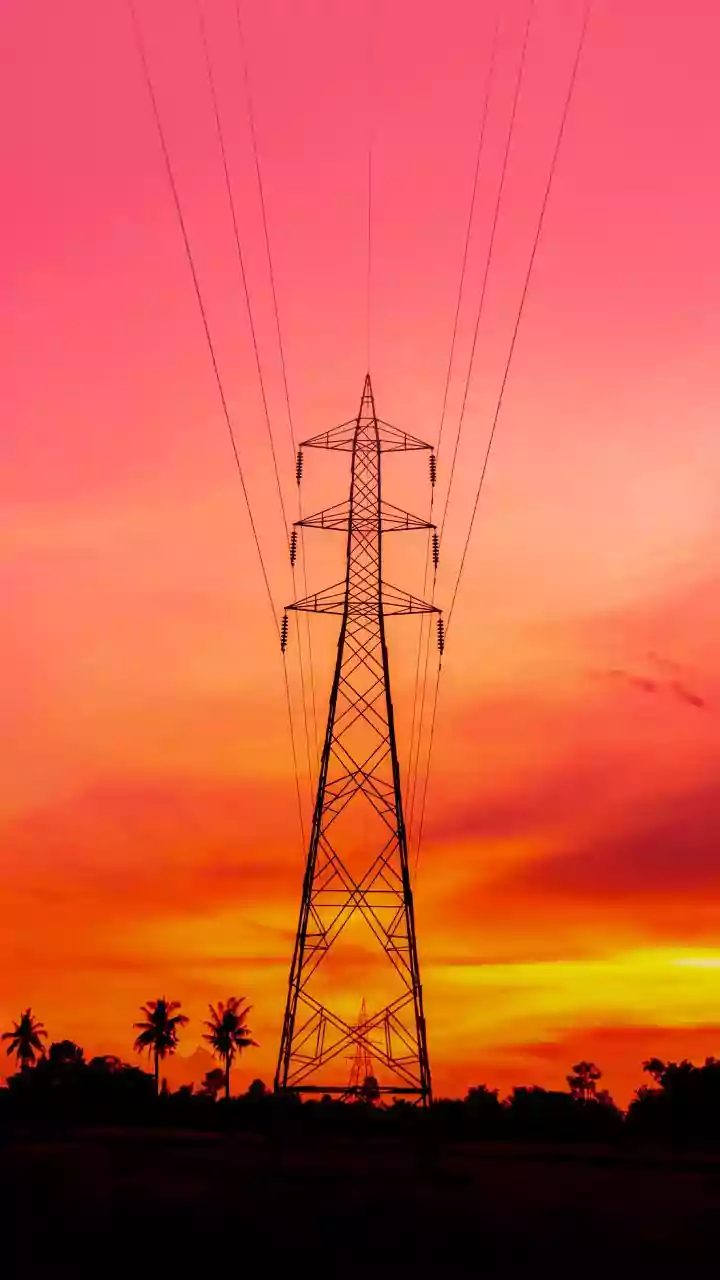
levels. For decades, the solution has been to pump water, but that introduces another dependency: electricity. In many rural areas, the power supply is unreliable, often available for only a few hours a day and frequently at night. This forces farmers into a difficult routine of nighttime irrigation, which is both inefficient and dangerous. Those without grid access have long relied on diesel pumps, but fluctuating and rising fuel prices eat directly into their slim profit margins, making every drop of water a significant expense. This dual uncertainty leaves farmers trapped in a cycle of risk, often limited to a single rain-fed crop like paddy and facing seasonal unemployment, which can lead to distress migration to cities for manual labour.
A Sun-Powered Solution Emerges
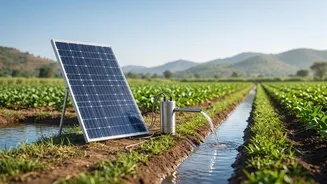
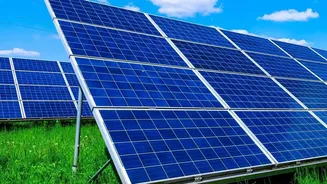
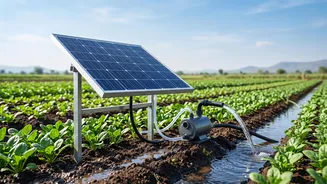
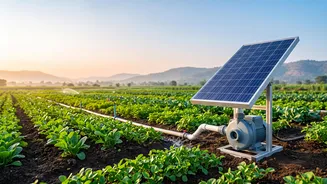
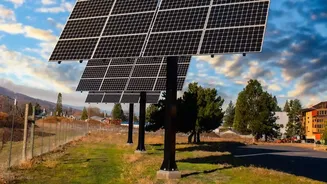
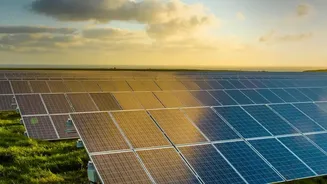
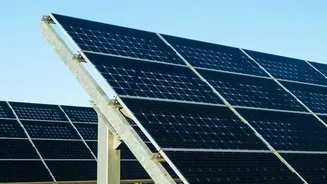
Solar micro-pumps are changing this narrative by offering a simple, sustainable, and increasingly affordable alternative. These small-capacity pumps, typically under 10 horsepower, are designed specifically for the needs of small landholders. They consist of a set of solar photovoltaic (PV) panels that convert sunlight directly into electricity, which powers a motor to draw water from a well, borewell, or pond. The beauty of the system lies in its autonomy. It operates entirely off the grid, freeing farmers from dependence on both state electricity boards and diesel suppliers. The technology is most effective during the day when the sun is brightest—coinciding perfectly with the optimal time for irrigation. With no fuel costs and minimal recurring expenses after installation, the marginal cost of pumping water is near zero, fundamentally altering the economics of farming.
From Scarcity to Financial Security
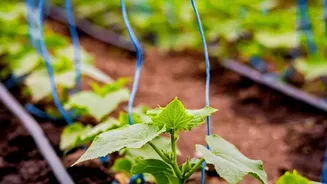
The impact of adopting solar pumps is transformative. With a reliable water source available daily, farmers can move beyond subsistence monsoon farming. They can cultivate a second, and sometimes even a third, crop during the dry seasons, including high-value vegetables and fruits like groundnuts, onions, and mangos. This diversification directly translates to increased income and improved household food security. For example, in villages like Tulyachapada in Palghar district, the introduction of shared solar pumps helped increase the total cultivated area from just five acres to nearly 96 acres, with farmers generating significant additional revenue. One farmer in Gadchiroli reported that his annual income crossed ₹3.5 lakh after installing a solar pump, as he could now harvest multiple crops. This newfound financial stability reduces the need for seasonal migration, allowing families to stay together and invest in their children's education and well-being.
Making the Technology Accessible
The primary barrier to widespread adoption of solar pumps has always been the high upfront capital investment. A single system can cost lakhs of rupees, a prohibitive sum for a small farmer. Recognizing this, the central and state governments have introduced crucial subsidy schemes. The Pradhan Mantri Kisan Urja Suraksha evam Utthaan Mahabhiyan (PM-KUSUM) is the flagship central program, which, combined with state-level initiatives like the Mukhyamantri Saur Krushi Pump Yojana, can cover up to 90% of the pump's cost. Under these schemes, the central government typically provides a 30% subsidy, the state government adds another 30-60%, and the farmer is required to contribute as little as 10% of the total cost. This financial support has been a game-changer, making a 25-year energy solution more affordable than a few months' worth of diesel.
More Than Just Water
The benefits of solar pumps extend beyond irrigation. By replacing diesel engines, they eliminate noise and air pollution, contributing to a cleaner rural environment. The reliability and low maintenance requirements of solar pumps—which have a long lifespan of around 25 years—reduce the physical drudgery and mental stress associated with farming. Moreover, the shift to solar power fosters a sense of independence and resilience among farmers. No longer at the mercy of unpredictable power cuts or volatile fuel markets, they gain control over a critical input for their business. This empowerment is a vital step towards building a more sustainable and prosperous agricultural sector in Maharashtra and across India, turning farmers from just food providers into energy producers as well.