





Days 1-2: Ancient Art Carved in Stone
Forget the quick trip and begin your historical deep dive near Aurangabad. This region is home to the UNESCO World Heritage sites of Ajanta and Ellora caves, which demand at least two full days to appreciate. The Ajanta Caves, dating from the 2nd century
BCE, feature some of the world's finest examples of ancient Indian art, with murals that bring Buddhist tales to life. A short drive away, the Ellora Caves present a stunning display of religious harmony, with intricate rock-cut monasteries and temples dedicated to Buddhism, Hinduism, and Jainism, all carved between the 6th and 10th centuries. The crown jewel here is the Kailasa Temple (Cave 16), a colossal structure carved from a single rock. A weekend simply doesn't allow for the time needed to absorb the sheer scale and spiritual significance of these sites.
Day 3: The Fortress of Fortune
Just a short drive from Aurangabad lies Daulatabad Fort, a military marvel that tells a story of power and ambition. Originally named Devagiri and built by the Yadava dynasty in the 12th century, this formidable citadel was famously renamed Daulatabad, or 'Abode of Wealth', by Muhammad bin Tughlaq, who briefly shifted his capital here from Delhi in the 14th century. Exploring its ingenious defences—including a labyrinthine dark passage and a steep moat—takes the better part of a day. You can trace its history through the hands of the Delhi Sultanate, the Bahmanis who built the striking Chand Minar tower, the Nizam Shahis, and the Mughals. Its layered history is a testament to its strategic importance over centuries, something you can only appreciate by spending time walking its ramparts.
Day 4: The Heart of the Maratha Empire
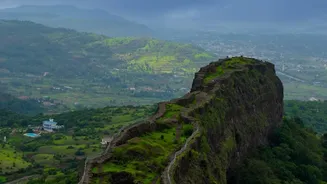
From the Deccan plains, a five-day itinerary allows you to travel into the heartland of the Maratha Empire in the Sahyadri mountains. A visit to Raigad Fort, the capital of Chhatrapati Shivaji Maharaj, is essential. Ascending to this 'Gibraltar of the East' reveals the genius of Maratha military architecture and planning, with its grand court, market street, and residential quarters. Nearby, Sinhagad Fort near Pune echoes with tales of heroism. Originally called Kondhana, it was renamed 'Lion's Fort' by Shivaji in honour of his general Tanaji Malusare, who sacrificed his life to capture it in 1670. Visiting these forts isn't just about seeing ruins; it’s about understanding the foundation of an empire that shaped modern India.
Day 5: Colonial Grandeur and Legacies
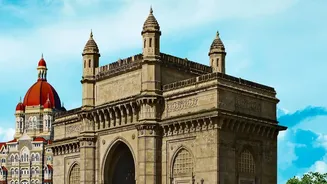
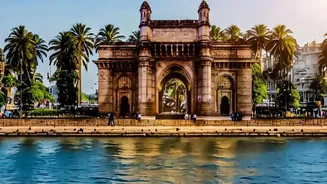
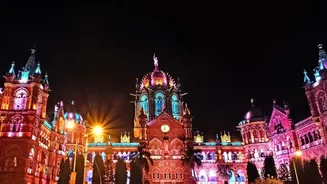
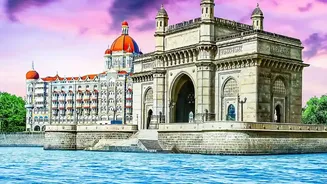
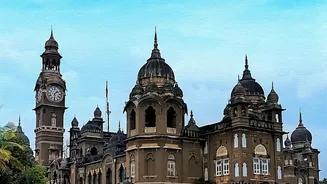
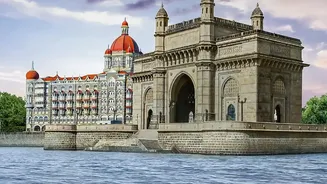
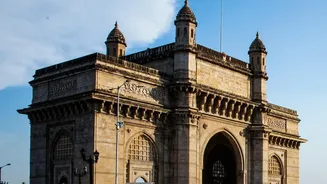
Your final day can be spent exploring the more recent, yet equally significant, layers of history in cities like Pune or Mumbai. In Pune, you can visit the Aga Khan Palace, a poignant landmark in India's freedom struggle where Mahatma Gandhi was imprisoned. Or explore Shaniwar Wada, the seat of the Peshwa rulers. In Mumbai, a walk through the Fort area reveals magnificent Victorian Gothic architecture, like the Chhatrapati Shivaji Maharaj Terminus, another UNESCO site. The Gateway of India stands as a symbol of the British Raj, while a ferry ride to Elephanta Island offers a final glimpse into ancient rock-cut traditions dedicated to Lord Shiva. This blend of colonial and ancient history provides a fitting conclusion to a comprehensive journey.