




Your Weekly Veggie Shopping List
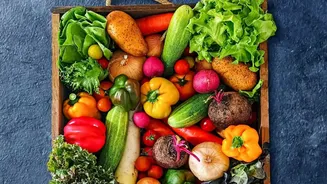
The secret to successful meal prep starts at the store. Focus on sturdy, versatile vegetables that can withstand a few days in the fridge after being chopped. Hardy vegetables are less likely to wilt or become mushy. Your shopping list should include
a mix of these dependable options: root vegetables like carrots and sweet potatoes, cruciferous vegetables like broccoli and cauliflower, and other robust choices such as bell peppers and onions. Carrots, bell peppers, and celery are great for snacking or adding crunch to salads. Broccoli and cauliflower are perfect for roasting, steaming, or throwing into stir-fries. Onions are the foundation of countless dishes, and prepping them in advance is a major time-saver. Sweet potatoes can be cubed for roasting or soups. For leafy greens, choose hardier options like kale over delicate lettuces.
The Sunday Prep Session: An Hour of Power
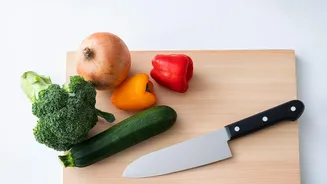
Set aside about an hour to transform your fresh produce into ready-to-use ingredients. First, wash everything thoroughly under running water. Once washed, the key is to ensure everything is very dry; excess moisture is the enemy of freshness and can lead to spoilage. Pat vegetables dry with a kitchen towel or use a salad spinner for leafy greens. Now, it's time to chop. Create a workstation with a large cutting board and a sharp knife. You can dice onions, slice bell peppers into strips, cut carrots and celery into sticks, and break broccoli and cauliflower into florets. The goal is to get the most tedious work out of the way so that during the busy week, cooking is as simple as grabbing a container from the fridge.
Smart Storage to Keep Veggies Fresh
How you store your prepped vegetables is the most critical step for ensuring they last all week. Oxygen and moisture are the main culprits behind spoiled produce. Use airtight containers to limit air exposure. For many vegetables like bell peppers, lining the bottom of the container with a paper towel can absorb extra moisture and keep them crisp. Hearty root vegetables like carrots and celery sticks can be stored submerged in water in a covered container in the fridge; just be sure to change the water every couple of days to maintain freshness. Store different types of vegetables separately. Some produce, like tomatoes, release ethylene gas which can cause other vegetables to spoil faster. It’s also wise to label your containers with the date so you know what to use first.
Putting Your Prepped Veggies to Work
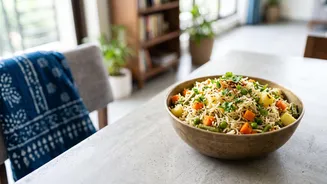
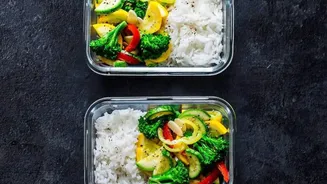
With a fridge full of prepped ingredients, weeknight meals become significantly easier. You've done the hard part, so now you can get creative without the hassle. Toss your prepped broccoli, bell peppers, and onions onto a sheet pan with some oil and seasoning for a quick roasted veggie dinner. Grab a handful of mixed chopped vegetables for a fast and healthy stir-fry or to add bulk to instant noodles or pasta. Carrot and celery sticks are ready for a quick snack with hummus. Sliced peppers and onions can be quickly sautéed and added to omelettes or wraps. Having these colourful, ready-to-go options makes you far more likely to incorporate them into your meals instead of reaching for less healthy convenience foods.