



More Than Just Paneer and Aloo
For generations, Indian vegetarianism has been a rich and diverse culinary world, celebrated for its robust flavours and regional specialities. But a new wave is cresting, and it’s called plant-based fusion. This isn’t just your grandmother’s dal or the familiar
paneer tikka. This is a culinary revolution that re-imagines India’s most beloved non-vegetarian dishes using innovative plant-derived ingredients. Think biryani layered with tender jackfruit that mimics mutton, or creamy ‘butter chicken’ made with soy chunks that absorb the makhani gravy perfectly. The goal is not just to replace meat, but to elevate plant ingredients to create dishes that are both nostalgic and novel. It’s about texture, flavour-absorption, and delivering the same satisfaction as the original, but with a modern, conscious twist.
The Undeniable Health Halo
A major driver of this trend is a collective shift towards wellness. Urban Indians are more health-conscious than ever, seeking food that tastes good and makes them feel good. Plant-based diets come with a powerful ‘health halo’. They are often lower in saturated fats, free from cholesterol, and rich in fibre and essential nutrients. When you swap traditional meat for ingredients like mushrooms, lentils, or jackfruit, you get a meal that feels lighter without sacrificing taste. This appeals to everyone, from dedicated vegans to 'flexitarians' who simply want to reduce their meat consumption. Restaurants and food startups have been quick to tap into this, labelling menus with ‘plant-powered’ and ‘vegan-friendly’ options that promise guilt-free indulgence. It’s a smart way to cater to the growing demand for food that aligns with personal health and sustainability goals.
A Feast for the Instagram Feed
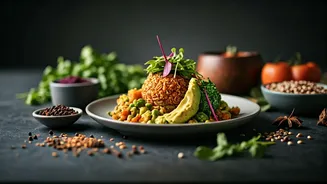
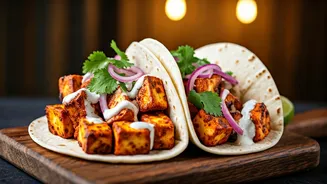
You can’t talk about a modern trend without mentioning social media. The ‘viral’ component of plant-based fusion is crucial to its success. These dishes are incredibly photogenic. A deconstructed samosa with a vibrant beetroot and tofu filling, or a perfectly plated ‘keema’ pav made from minced mushrooms, is destined for Instagram glory. Chefs are designing dishes not just for the palate, but for the camera. The stunning visuals generate curiosity and desire, turning diners into marketers. A scroll through food-focused accounts in Mumbai, Bengaluru, or Delhi reveals a colourful parade of these creations. This digital word-of-mouth creates a powerful feedback loop: a dish goes viral, drawing crowds to a café, which then inspires more chefs to innovate, fuelling the trend further. It’s a delicious cycle of discovery and promotion.
Where Tradition Meets Innovation
The real magic of plant-based fusion lies in its respect for tradition. This isn’t about abandoning Indian flavours; it’s about applying them in new ways. Chefs are using global techniques and ingredients to enhance local recipes. For instance, the umami-richness of shiitake mushrooms is being used to create hearty, flavourful curries that would traditionally use mutton. Cashew cream and oat milk are replacing dairy to make vegan versions of kheer and malai kofta that are just as luscious. Some popular examples storming menus include the ‘Impossible’ seekh kebab, made from textured vegetable protein but spiced with the classic Lucknowi masala blend, and Goan fish curry recreated with banana blossoms that have a flaky texture. These dishes prove that innovation doesn’t have to erase heritage. Instead, it can create exciting new expressions of it, making old favourites accessible to a new generation of eaters.
The Growing Business of Green
Behind the viral dishes and trendy restaurant menus, a serious business is booming. A whole ecosystem of food-tech startups is emerging in India, dedicated to creating high-quality plant-based alternatives. Companies like Blue Tribe Foods, Imagine Meats, and GoodDot are producing everything from plant-based sausages to chicken-free nuggets and mutton-style chunks. They supply directly to consumers and, crucially, to the restaurants and cafes driving the fusion trend. This growing infrastructure is making it easier and more affordable for chefs to experiment, moving plant-based fusion from a niche curiosity to a mainstream contender on the Indian culinary stage.