



First, Become a Sunlight Detective
Before buying a single plant, the most crucial step is to understand the sunlight your balcony receives. This single factor determines which plants will flourish and which will struggle. Take a day to observe your space. Note when direct sunlight first
hits your balcony and when it leaves. An east-facing balcony gets gentle morning sun, ideal for many herbs and leafy greens. A south- or west-facing balcony often gets intense, direct sun for over six hours, perfect for sun-loving flowers like bougainvillea and hibiscus. A north-facing balcony will be the shadiest, suitable for plants like ferns, snake plants, and peace lilies. Don't just guess; knowing whether you have 'full sun' (6+ hours), 'partial shade' (3-6 hours), or 'shade' (less than 3 hours) is the foundation of a successful balcony garden.
Match Plants to Your Light Conditions
Once you know your sunlight pattern, you can choose plants that are naturally suited to it. For bright, sunny balconies that receive hours of direct light, consider hardy options that thrive in Indian heat. Bougainvillea, hibiscus, marigold, portulaca, and curry leaves are excellent choices. Succulents like aloe vera and jade plants also love the sun and are very forgiving if you occasionally forget to water them. For shadier balconies with indirect light, focus on foliage. Money plants (Pothos), snake plants, ZZ plants, and spider plants are famously low-maintenance and will do well. If you have a mix of sun and shade, you can grow herbs like tulsi (holy basil) and mint, which appreciate good light but can be sensitive to scorching afternoon sun.
The Golden Rules of Watering
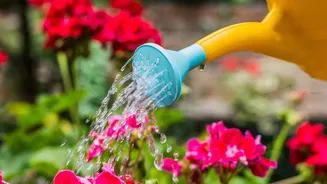
Improper watering is the most common reason container plants fail. The key is to avoid a rigid schedule and instead check the soil. The 'finger test' is your best friend: stick your finger about an inch or two into the soil. If it feels dry, it's time to water. If it's still damp, wait another day. Plants in containers, especially on windy or hot balconies, dry out much faster than those in the ground and may need daily watering in summer. When you do water, do it thoroughly. Pour water slowly at the base of the plant until it flows out of the drainage holes at the bottom of the pot. This encourages roots to grow deep rather than staying at the surface.
Avoid Common Watering Mistakes
One of the biggest mistakes is overwatering, which can suffocate roots and cause them to rot. This happens when you water too frequently, not allowing the soil to dry out. The opposite mistake, underwatering, causes plants to wilt and drop leaves. Another common error is shallow watering—giving just a small splash every day. This only wets the top layer of soil and leads to a weak root system. Finally, try to water in the early morning. This allows the plant to absorb moisture before the heat of the day and lets wet leaves dry in the sun, which helps prevent fungal diseases. Watering at midday is inefficient, as much of the water evaporates before the plant can use it.
Create a Simple Care Routine
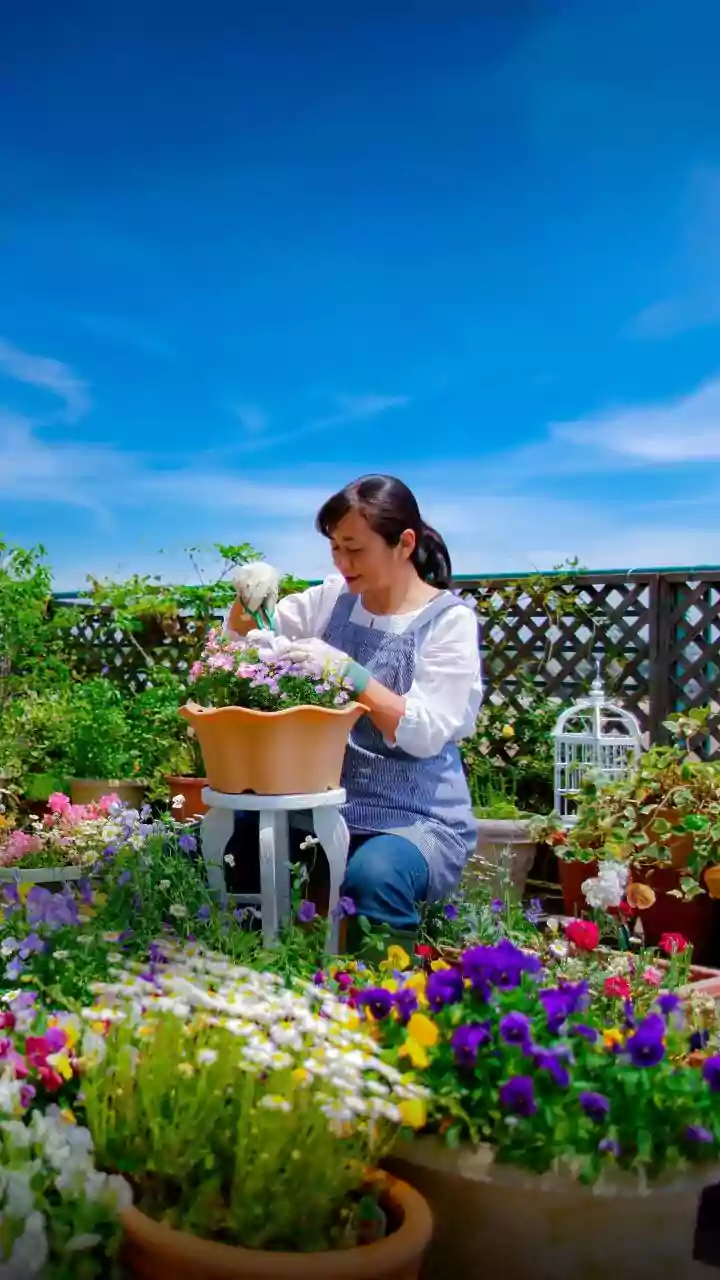
A successful garden doesn't require hours of work, just consistent attention. Instead of a strict watering schedule, create a simple daily or weekly check-in. In summer, a quick morning check of the soil moisture for each plant is a great habit. During this time, you can also remove any yellow or dead leaves and check for pests. Rotating your pots every week or so ensures all sides of the plant get some light, promoting even growth. Grouping plants with similar water and light needs together can also simplify your routine, as you'll know that all the plants in one corner have the same requirements. This small, regular effort is far more effective than occasional, intensive care.