

The Building Blocks of Life: What Are Proteins?
Before we dive into food pairings, let's understand the basics. Proteins are essential macronutrients that function as the building blocks for our entire body—they repair tissues, build muscle, and create enzymes and hormones. These complex molecules
are made of smaller units called amino acids. There are 20 different amino acids, but nine of them are called 'essential' because our bodies cannot produce them. We must get these nine essential amino acids—histidine, isoleucine, leucine, lysine, methionine, phenylalanine, threonine, tryptophan, and valine—from the food we eat. A food source that contains all nine of these in adequate amounts is known as a 'complete protein'.
The 'Complete' vs 'Incomplete' Protein Myth
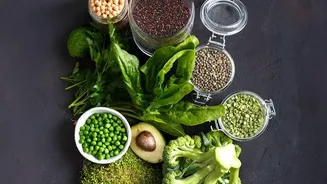
Historically, a major concern with vegetarian and vegan diets was getting enough complete protein. Most animal-based foods like meat, eggs, and dairy products are naturally complete proteins. In contrast, most individual plant foods are considered 'incomplete' because they are low in one or more essential amino acids. This led to the idea that vegetarians needed to be meticulously careful, but modern nutrition science has clarified this. While it's true most plant sources are low in certain amino acids, the solution is surprisingly simple and already embedded in many traditional diets. You don't need to stress about every single ingredient; you just need variety.
A Perfect Pair: The Science Behind Dal and Rice
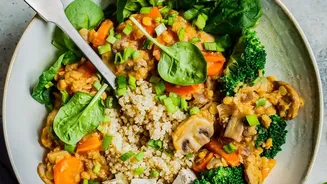
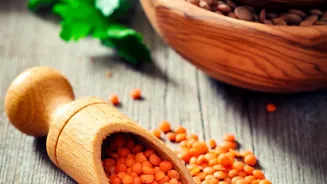
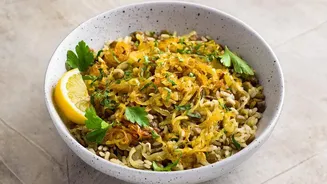
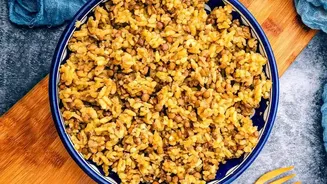
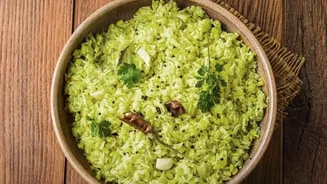
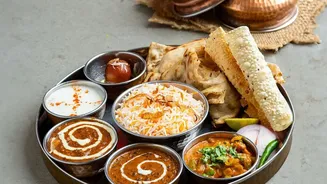
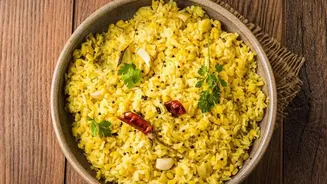
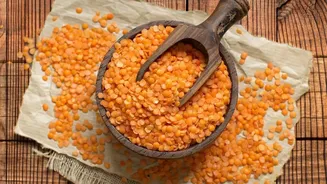
The classic combination of lentils (dal) and rice (chawal) is a perfect example of protein complementation. Lentils, like most legumes, are rich in the essential amino acid lysine but are low in methionine. Grains, including rice, have the opposite profile: they are low in lysine but have plenty of methionine. When you eat them together, their amino acid profiles complement each other. The lysine from the dal fills the gap in the rice, and the methionine from the rice fills the gap in the dal. The result is a meal that provides all nine essential amino acids, effectively creating a complete protein profile from two simple plant-based ingredients.
Power Up with Seeds: Another Winning Combination
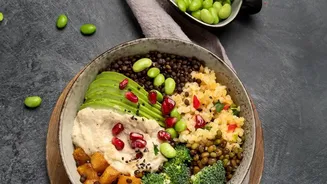
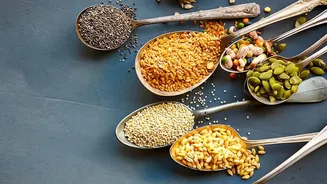
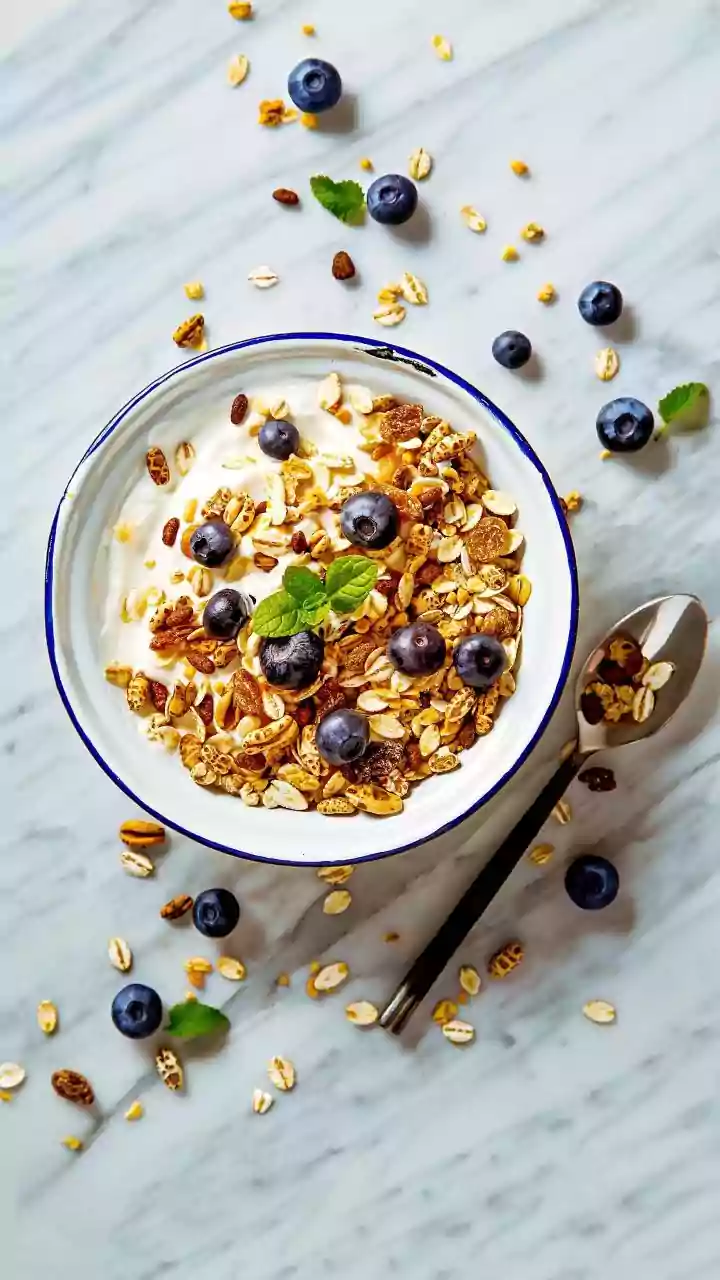
It’s not just about rice. Pairing lentils and other legumes with seeds is another powerful way to achieve a complete amino acid profile. Many seeds, such as sesame, sunflower, and pumpkin seeds, are good sources of the methionine and cysteine that lentils lack. For instance, adding a sprinkle of toasted sesame seeds to a dal or a lentil salad not only adds a delightful crunch and nutty flavour but also boosts its protein quality. Hummus, made from chickpeas (a legume) and tahini (a sesame seed paste), is another classic Middle Eastern example of this powerful legume-and-seed partnership. This is a great strategy for those looking to diversify their protein sources beyond grains.
Good News: Timing Isn't Everything
For years, it was believed that complementary proteins had to be eaten in the same meal to be effective. However, this theory has been updated. Research now shows that the body maintains a pool of amino acids throughout the day. This means that as long as you consume a variety of plant-based protein sources over the course of a day, your body can pull the necessary amino acids to create complete proteins when needed. So, if you have dal for lunch and roti or rice for dinner, you still get the benefits of protein complementation. This flexibility makes it much easier to meet your protein needs on a plant-based diet without overthinking every meal.
More Power Combos in Your Kitchen
Indian cuisine is naturally rich with complete protein pairings that go far beyond dal and rice. Many of our most beloved dishes are nutritional powerhouses for this very reason. Rajma-chawal (kidney beans with rice), chole-bhature (chickpeas with fried bread), and roti with any dal are all classic examples. Even breakfast dishes like idli and dosa, made from a fermented batter of rice and urad dal, combine a grain and a legume to provide a complete set of amino acids to start your day.