




The Frozen River Expedition
Deep in Ladakh, when winter seizes the land in its icy grip, the Zanskar River transforms. It freezes over, creating a shimmering, unpredictable highway of ice known as the 'Chadar'—the local word for blanket. For centuries, this frozen path was the only
way for the people of the remote Zanskar Valley to connect with the outside world during the harshest months. Today, it has become the setting for one of the world's most unique and demanding treks: The Chadar Trek. This is not a simple mountain climb; it is a nine-day, 100-kilometre expedition on a walking surface that is constantly shifting, cracking, and reforming. It's an adventure that promises both breathtaking beauty and profound challenges.
Why It's So Demanding
The Chadar Trek pushes your limits in ways few other adventures can. The primary challenge is the extreme cold. Temperatures regularly plummet to -25°C or even -35°C at night. This isn't just uncomfortable; it's dangerous and requires specialised gear and constant vigilance. The second major factor is the altitude. The trek begins near Leh, at over 11,000 feet, demanding careful acclimatisation to avoid acute mountain sickness. Finally, there's the river itself. The ice is a living entity. A section that was solid in the morning might be a rushing torrent of freezing water by the afternoon. Trekkers must rely on the expertise of their local guides to navigate the treacherous path, sometimes walking on the ice, other times scrambling over slippery riverside rocks. It's a test of physical endurance, mental fortitude, and absolute trust.
Preparing for the Challenge
You cannot simply show up for the Chadar Trek. Preparation is non-negotiable. Your physical fitness is paramount. A strong cardiovascular base is essential for trekking at high altitudes. Focus on running, cycling, or long-distance walking for at least two months before your trip. Strength training, particularly for your legs and core, will help you remain stable on the uneven, slippery ice. Equally important is your gear. This is not the place to cut corners. You'll need high-quality thermal layers, a down jacket rated for extreme cold, waterproof outer shells, and, most importantly, gumboots. These rubber boots allow you to wade through sections where the ice has broken, a common occurrence. Mental preparation is the final piece of the puzzle. You must be ready to be cold, uncomfortable, and to follow instructions from your guide without question. Your safety depends on it.
The Unforgettable Reward
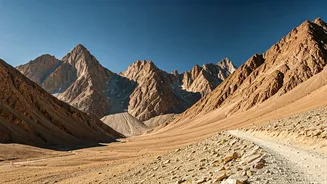
So why would anyone subject themselves to such an ordeal? Because the reward is as immense as the challenge. The landscape is otherworldly. You walk through a deep canyon of reddish rock, with the frozen river snaking below and a brilliant blue sky above. You'll see frozen waterfalls suspended in time, like giant, icy sculptures. The silence is profound, broken only by the crunch of your boots on the snow and the faint gurgle of the river beneath the ice. There's an incredible sense of accomplishment that comes from completing each day's journey. You build a powerful bond with your fellow trekkers and guides, a camaraderie forged in shared hardship and awe. It’s an experience that strips away the non-essentials, connecting you to the raw power of nature and the resilience of the human spirit.