






The Heart of the Journey: Train Travel
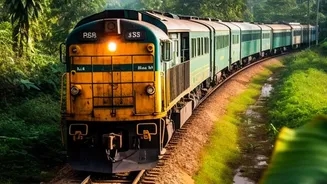
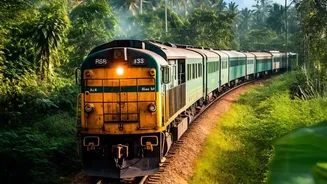
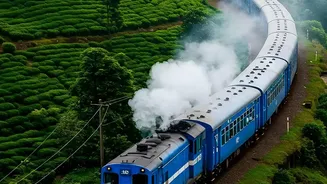
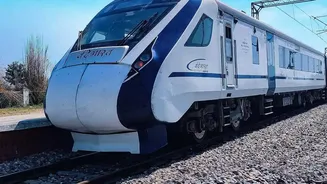
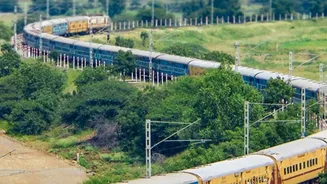
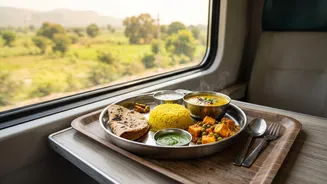
The primary mode of transport in most IRCTC rail tour packages is, naturally, the train. For a six-day tour, your journey will likely begin and end with an overnight train ride. The class of travel is a key detail to check. Most standard packages include
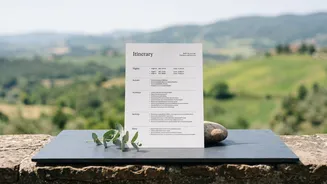
travel in either Sleeper Class (SL) or 3-Tier AC (3A). Sleeper Class is the non-air-conditioned option with open windows and fans, offering a quintessential Indian rail experience. Bedding is not provided, so you would need to bring your own. 3-Tier AC is the most commonly booked air-conditioned class, providing a more comfortable, climate-controlled environment with bedding included. Some more premium or 'Comfort' packages might offer 2-Tier AC (2A), which has fewer berths per compartment and offers more space and privacy with curtains. The specific train and class are always mentioned in the tour itinerary, so be sure to verify this before booking.
Your Stay: Demystifying the Accommodation
Once you arrive at your destination city, IRCTC arranges for your stay in hotels. The quality of accommodation is usually linked to the package tier you've selected. 'Standard' packages often use budget hotels, guesthouses, or sometimes even dormitories and 'dharmashalas' for certain pilgrimage tours. 'Comfort' or 'Deluxe' packages will place you in mid-range hotels with better amenities. The booking is almost always on a 'twin-sharing' or 'triple-sharing' basis, meaning you will be sharing a room with one or two other travellers from your tour group. If you are travelling solo and require your own room, you will typically need to pay a 'single-occupancy' supplement. It's important to note that hotels are pre-booked by IRCTC, giving you little say in the specific property, but they are chosen to be clean, safe, and conveniently located for the planned sightseeing.
Getting Around: Local Sightseeing Transport
A major component of any tour is local sightseeing, and IRCTC packages include this transportation. For group tours, this usually means travel in a bus. Depending on the package level and local weather, this could be a non-AC or an AC vehicle. The itinerary will specify 'AC/Non-AC vehicle for transfers and sightseeing'. For smaller groups or in certain locations, you might be transported in smaller vehicles like a Tempo Traveller or cars. This service covers travel from the railway station to your hotel and all the sightseeing spots mentioned in the itinerary. This bundled transport saves you the hassle and expense of negotiating with local taxi or auto-rickshaw drivers at each tourist spot, providing a seamless experience.
Reading Between the Lines: Inclusions vs. Exclusions
Understanding what is and isn't included is crucial. For travel and accommodation, the package fare typically covers the train ticket, the hotel room on a sharing basis, and the bus for sightseeing. However, it often does not include meals taken on the train during your initial and final journeys. While some meals at the destination (usually breakfast and dinner at the hotel) are included, lunch is often excluded to give travellers flexibility while sightseeing. Furthermore, personal expenses at the hotel like room service, laundry, or mini-bar usage are not part of the package. Entry tickets to monuments and temples are also usually an additional cost to be borne by the traveller unless explicitly stated as an inclusion. Always read the 'Package Exclusions' section carefully.
Specialised Tours: The Bharat Gaurav Experience
It's also worth noting the rise of Bharat Gaurav Tourist Trains, a special initiative for theme-based tours, such as pilgrimage circuits. These all-inclusive packages often provide a more integrated travel and accommodation experience. The train itself becomes a moving base, equipped with a pantry car for fresh meals served on board. While some itineraries still involve hotel stays for multi-day stops in a city, the journey is more curated. These trains can have a mix of coach classes from Sleeper to AC tiers and sometimes even feature deluxe AC trains with enhanced facilities like on-board restaurants and shower cubicles. The fundamental components remain the same—train travel, accommodation, and local transport—but they are often executed with a higher degree of coordination within the themed journey.