






The Latest Flashpoint
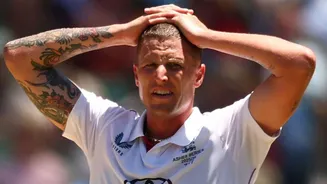
England fast bowler Brydon Carse has been stood down from the squad ahead of the second Test against Pakistan while the Cricket Regulator investigates an incident in Derby. Footage emerged showing the 31-year-old being briefly detained and placed in handcuffs
by police outside a bar in the early hours of Sunday morning. According to police, a man in his 30s was arrested on suspicion of being drunk and disorderly but was later de-arrested after agreeing to leave the area. The incident reportedly occurred after Carse was denied re-entry to the venue following an exchange of words with another person. While no charges were pressed, the England and Wales Cricket Board (ECB) acted swiftly, replacing Carse in the squad with Sonny Baker and launching a full investigation into a potential disrepute charge.
A Familiar Refrain
For long-suffering fans and beleaguered administrators, the Carse incident feels like a frustrating case of déjà vu. The narrative is achingly familiar: a talented cricketer, a late night, and a subsequent disciplinary headache for the ECB. It highlights a persistent cultural issue that has dogged English cricket for decades, a seemingly endless cycle of off-field drama that often involves alcohol and runs contrary to the highly professionalised and scrutinised nature of modern sport. These incidents repeatedly force the ECB to walk a tightrope between enforcing its code of conduct and managing the welfare of its players, all while the team’s reputation is debated in the court of public opinion.
The Ghosts of Controversies Past
The list of past transgressions is long and storied. Who could forget Andrew 'Freddie' Flintoff's infamous 'Fredalo' incident during the 2007 World Cup, when he had to be rescued from the sea after a drunken attempt to take a pedalo for a spin? More recently, Ben Stokes, now the Test captain, was arrested following a 2017 street brawl outside a Bristol nightclub, an event that led to him missing a crucial Ashes tour despite later being acquitted in court. There have been others, from players celebrating a 2013 Ashes win by urinating on The Oval pitch to various other tour-based indiscretions. Each event, while different in its specifics, adds another layer to the perception of a 'work hard, play hard' culture that refuses to fade away.
The ECB's Tightrope
For the England and Wales Cricket Board, these episodes represent a significant challenge. The board is tasked with upholding the integrity of the game and ensuring its players act as ambassadors for the sport. Their own regulations demand the highest standards of behaviour. Dropping Carse pending an investigation shows a clear precedent: action will be taken. Yet, the board is also mindful of the pressures faced by modern athletes who spend long periods away from home under intense media scrutiny. Finding the right balance between punitive action and pastoral care is a delicate act. Suspending a player can be a straightforward decision, but addressing the underlying cultural factors that lead to these recurring incidents is a far more complex and long-term project.
Culture, Scrutiny, and Consequences
Is English cricket’s problem a uniquely toxic culture, or is it simply that its players are under a brighter microscope than ever before? In an era of camera phones and social media, every action is subject to public judgment. A late-night mistake that might have gone unnoticed two decades ago can now become a viral video and a national news story within hours. While the intensity of modern scrutiny is undeniable, it doesn't entirely absolve the players or the governing body of responsibility. The recurring nature of these controversies suggests that the message about professionalism and public image is still not fully getting through, leaving the sport to grapple with the consequences time and time again.