


Why a Wobbly Plant Is a Cry for Help
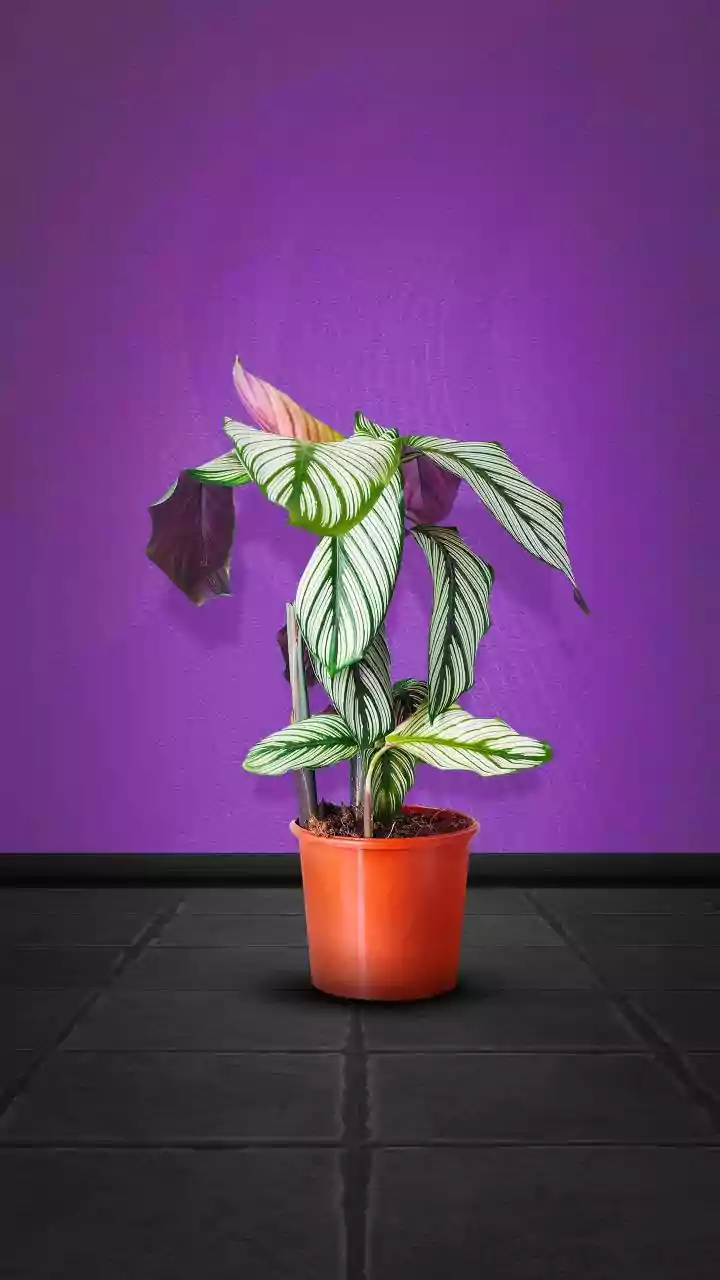
A houseplant that tips over easily can be frustrating, but it's more than just an inconvenience. It's one of the clearest signals your plant can send that its current environment is no longer suitable. Often, the issue lies beneath the soil. As a plant grows,
its root system expands. If left in the same pot for too long, the roots can displace the soil, creating a dense, tangled mass that can't properly absorb water or nutrients. This condition, known as being 'root-bound' or 'pot-bound', not only makes the plant top-heavy and unstable but can also stunt its growth and affect its overall health.
How to Diagnose a Root-Bound Plant
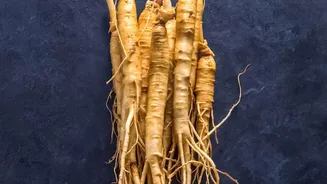
Before you start planning a move, it's worth confirming that the pot is the problem. There are several tell-tale signs that a plant has become root-bound. The most obvious is seeing roots actively growing out of the drainage holes at the bottom of the pot. You might also see roots becoming visible on the surface of the soil. Other clues include water running straight through the pot when you water it, the soil drying out much faster than it used to, and slowed or stunted new growth. To be certain, you can gently slide the plant out of its pot. If you see a tightly coiled mass of roots with very little visible soil, it's definitively time for a new home.
Choosing the Right New Home
When repotting, the goal is to provide more space, but not too much. Moving a plant into a pot that is excessively large can lead to problems with overwatering, as the vast amount of soil can retain too much moisture and lead to root rot. The general rule of thumb is to choose a new pot that is about one to two inches larger in diameter than the old one for smaller plants (in pots 10 inches or less), and two to three inches larger for bigger plants. Ensure the new pot has adequate drainage holes; this is non-negotiable for the health of most houseplants.
The Gentle Art of Repotting
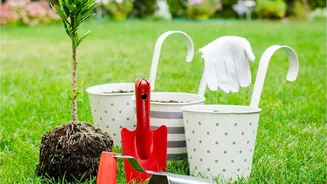
Repotting can feel daunting, but most plants are resilient. Start by watering your plant well a day or two before the move. To remove the plant, you can turn it on its side and gently pull on the base, using a butter knife or trowel to loosen the soil from the pot's edges if needed. Once it's free, gently tease apart the bottom of the root ball with your fingers to encourage the roots to grow outward into the new soil. Place a layer of fresh potting mix in the bottom of the new pot, set the plant on top, and fill in the sides, making sure the top of the root ball sits about an inch below the rim of the new pot. Water thoroughly to help the soil settle.
When It's Not the Pot
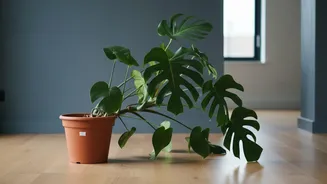
While an overgrown root system is a common cause of tipping, it's not the only one. Sometimes, a plant simply becomes top-heavy, with lush foliage that its base can't support. This can also be a sign of the plant reaching for light, causing it to lean and grow unevenly. If the roots have plenty of room but the plant is still unstable, consider other solutions. Regularly rotating your plant every couple of weeks will encourage even growth on all sides. For vining or tall-growing plants like a Monstera, adding a moss pole or stake for support can provide the stability it needs to grow upright and strong.