




In a world of fast furniture, a quiet revolution is taking place in Indian homes. Homeowners are turning away from the mass-produced and embracing the handmade, finding that true style lies in sustainability, soul, and a connection to heritage.
Moving Beyond Mass Production
For years,
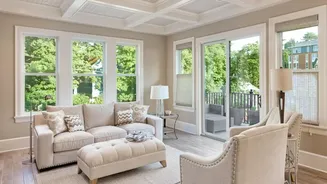
modern interior design felt like a race towards a uniform, global aesthetic. Clean lines and minimalist furniture dominated, often at the expense of personality. Today, however, there is a clear shift. Homeowners are increasingly seeking spaces that tell a story and reflect a unique identity. This has sparked a renewed appreciation for traditional Indian craftsmanship, not as relics of the past, but as vital elements of contemporary design. The desire for authenticity is steering consumers away from factory-made perfection and towards items with character, history, and a human touch.
Sustainability Woven into Tradition
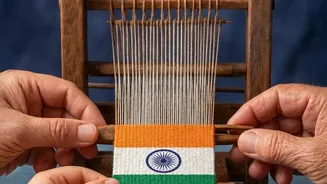
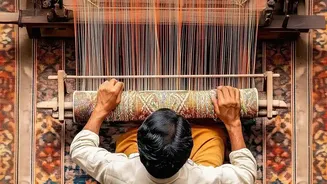
Long before 'sustainability' became a buzzword, it was a way of life for Indian artisans. Traditional craftsmanship is inherently eco-friendly. Artisans typically use locally sourced, natural materials like wood, clay, bamboo, jute, and cotton that are renewable and biodegradable. Techniques are passed down through generations, relying on hand-operated tools and minimal energy, which drastically reduces the carbon footprint compared to industrial manufacturing. This 'slow-made' philosophy results in products built to last, often becoming family heirlooms rather than ending up in landfills, embodying the sustainable principle of 'buy less, buy better'.
Modern Homes, Timeless Crafts
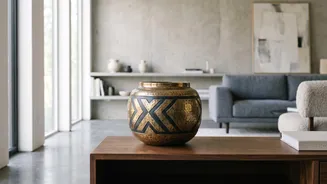
The beauty of this trend lies in its fusion of old and new. Traditional crafts are not being used to create museum-like spaces; instead, they are being adapted for modern living. A hand-carved wooden cabinet from Saharanpur might share space with a minimalist sofa. Vibrant block-printed textiles from Rajasthan are used for cushions, curtains, and upholstery, adding a pop of colour to neutral palettes. Terracotta, once used for humble water pots, is now fashionable in lighting and serveware. Crafts like bamboo weaving from the Northeast and cane work are being transformed into chic furniture, screens, and lampshades that fit seamlessly into urban apartments.
Empowering Artisans and Preserving Skills
This revival is more than just an aesthetic choice; it has a profound socio-economic impact. By choosing handcrafted goods, consumers directly support artisans, their families, and rural communities where these skills are a primary source of income. This renewed demand helps preserve ancient techniques that were at risk of disappearing as younger generations moved to cities for other jobs. Supporting local artisans fosters cultural pride and ensures that the rich tapestry of India's craft heritage continues to thrive for generations to come, creating a green economy where culture and commerce coexist.
Creating a Home with a Soul
Ultimately, the turn towards traditional craftsmanship is a search for meaning. In an increasingly digital and disconnected world, handmade objects ground us. They carry the imprint of the maker's hand and a story of their origin. Integrating these pieces—whether it's a brass statue, a handwoven rug, or a piece of folk art—infuses a home with warmth, character, and a distinct cultural identity. It's a move away from creating a space that simply looks good to creating one that feels good, a sanctuary that is not only beautiful and sustainable but also deeply personal.