



The Power of Crowdsourced Maps
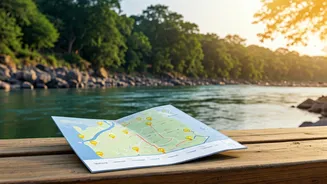
Forget traditional travel guides and clunky websites. A crowdsourced map is a digital treasure map, often built on platforms like Google My Maps, created and constantly updated by a community of travellers. For a place as magnificent and remote as Arunachal
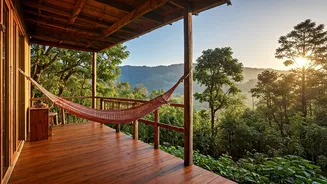
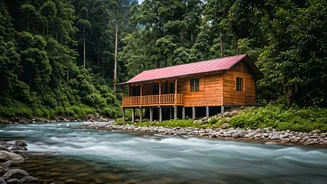
Pradesh, these maps are invaluable. They are not official tourist maps; instead, they are living documents filled with pins dropped by people who have actually been there. These pins mark everything from hidden waterfalls and breathtaking viewpoints to, most importantly, the small, family-run homestays that offer an authentic and affordable alternative to hotels. They represent collective knowledge, shared freely to help others navigate routes, discover gems, and connect with local communities.
Where to Find These Digital Guides
Finding these maps requires a bit of digital sleuthing, but the rewards are well worth it. Your primary hunting grounds are online travel communities. Start with Facebook Groups dedicated to backpacking in India, Northeast India travel, or solo travel. Use search terms like “Arunachal map,” “NE India route,” or “homestay contacts.” Reddit is another goldmine. Subreddits like r/solotravel, r/IndiaTravel, and r/travel have frequent discussions where users share links to their personal travel maps. Finally, don’t underestimate dedicated travel bloggers. Many seasoned explorers who have covered Arunachal extensively often create and share detailed maps as a resource for their readers. A simple search for “Arunachal Pradesh travel blog Google Map” can yield fantastic results.
How to Vet Your Information
The open nature of crowdsourced data is its greatest strength and its one potential weakness. Information can become outdated. A homestay might have closed, or a contact number might have changed. Therefore, vetting is a crucial step. Never rely on a single pin without cross-referencing. If a map suggests a homestay, do a quick search for its name online. Look for recent reviews, blog mentions, or a social media page. Check the date of comments or posts associated with the map. If a map was last updated three years ago, its information is less reliable. The best maps include contact numbers for homestays. Always call or WhatsApp ahead to confirm availability, pricing, and location before you lock it into your itinerary. This simple step can save you from arriving in a remote village with nowhere to stay.
Integrating Maps Into Your Plan
Once you've found a promising map, you can usually open it in your own Google Maps app on your phone. This allows you to see the crowdsourced pins layered over the real-time map, which is incredibly useful for on-the-ground navigation. Use these pins as anchor points for your itinerary. You might see a cluster of recommended homestays around Ziro or Mechuka. You can plan your travel days to ensure you reach these areas with confirmed lodging. Look at the routes other travellers have taken between these points. This helps in understanding realistic travel times, which are often much longer in the mountains than a standard map might suggest. A solo traveller's route marked on a map is a powerful hint about what is logistically possible.
What to Expect From a 'Cheap' Homestay
The homestays you find through these maps are often labelled 'cheap,' but it's important to understand what that means in Arunachal. We're not talking about luxury for less; we're talking about value and authenticity. A budget homestay, which can cost significantly less than a hotel, typically offers a simple, clean room in a family's home. You will likely share a bathroom. The real value is not in the thread count of the sheets but in the experience: eating delicious, home-cooked meals with your host family, hearing their stories, and getting genuine advice on what to see and do in the area. This is the heart of solo travel in the region — an immersive cultural exchange that no hotel can offer. You're not just a tourist; you're a guest.