







The Monsoon Month of Rejuvenation
Karkidakam, the final month in the Malayalam calendar which falls from mid-July to mid-August, is a time of heavy, persistent rains in Kerala. Historically, this was a period of scarcity and difficulty, with the damp, cool weather making the body more
susceptible to illness. However, Ayurvedic wisdom transformed this challenging month into a season for healing and rejuvenation. According to Ayurveda, the body is most receptive to treatments during this time as the pores of the skin are open, making it an ideal period for detoxification and strengthening immunity for the year ahead. This specialized care, known as Karkidaka Chikitsa, focuses on balancing the body’s doshas, which are believed to be imbalanced by the seasonal shift.
What Exactly Is Karkidaka Kanji?
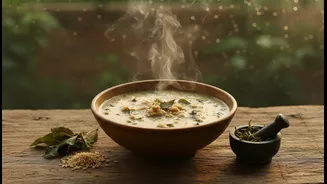
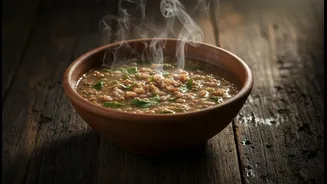
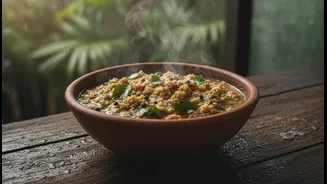
At the heart of this monsoon wellness regimen is Karkidaka Kanji, also known as Oushadha Kanji or medicated porridge. It is far more than a simple rice gruel; it is a carefully formulated dish designed to be both food and medicine. The porridge is traditionally consumed for a period of at least seven days, and often for the entire month, to help bolster the body's defenses. The core idea is to support the digestive fire, or 'Agni', which is thought to be weakened during the monsoon, leading to sluggishness and low immunity. This warm, easily digestible meal provides nourishment without overburdening the digestive system, making it a cornerstone of seasonal wellness.
Pantry Wisdom in a Bowl
The true genius of Karkidaka Kanji lies in its ingredients, a perfect example of pantry wisdom passed down through generations. The base is often Navara rice, a unique medicinal variety from Kerala known for its health benefits. This is cooked with coconut milk and a special blend of herbs and spices known as 'karkidaka marunnu'. This potent mixture includes warming spices like dry ginger (chukku), cumin (jeerakam), and fenugreek (uluva), all of which aid digestion and reduce inflammation. Other herbs are added to address specific monsoon-related issues like joint pain and fatigue, turning a simple meal into a powerful tool for preventive healthcare.
Beyond Porridge: A Holistic Approach
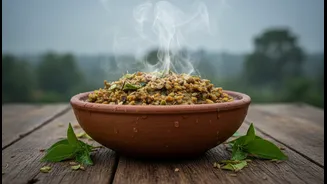
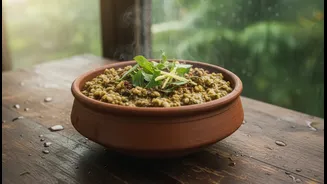
While the kanji is the star, the Karkidakam diet includes other preparations that reflect a deep understanding of local ecology and seasonal needs. One such dish is Pathila Thoran, a stir-fry made from ten specific varieties of edible leaves that sprout during the monsoon. This practice ensures that the diet is rich in micronutrients when other vegetables might be scarce. The principles of Karkidakam eating advise avoiding heavy, oily, and non-vegetarian foods that can tax a weakened digestive system. This holistic approach isn't just about avoiding illness; it's about actively building strength and vitality.
Tradition in a Modern Kitchen
In contemporary Kerala, the tradition of Karkidaka Kanji is very much alive, though it has adapted to modern lifestyles. While many families still prepare the herbal mixture from scratch, sourcing ingredients from their own gardens, the demand for convenience has led to a thriving market for ready-made 'kanji kits'. These kits, containing the Navara rice and the powdered 'marunnu' mixture, are widely available in stores and online. This accessibility has allowed a new generation of busy urban dwellers to connect with this ancestral tradition, ensuring that this valuable pantry wisdom continues to be a part of Kerala’s cultural and culinary identity.