








Powdered Spices and Masalas
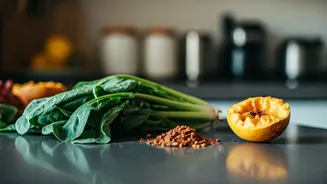
The high moisture content in the monsoon air is the enemy of ground spices like turmeric, chilli powder, and coriander powder. Humidity causes them to clump together, lose their aroma, and even develop mould. While whole spices are more resilient, powdered
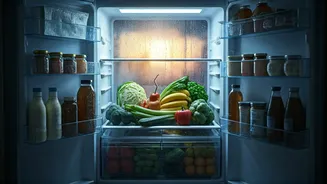
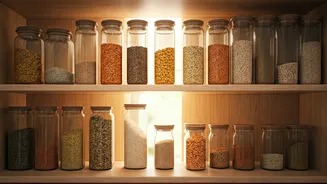
versions absorb moisture quickly. To protect your masalas, transfer them from their packets into small, airtight glass jars. For an extra layer of protection, store these jars in the refrigerator. This keeps them dry, preserves their flavour and colour, and extends their shelf life significantly through the rainy months. Always use a dry spoon when taking spices out of the container to avoid introducing moisture.
Flours, Grains, and Pulses
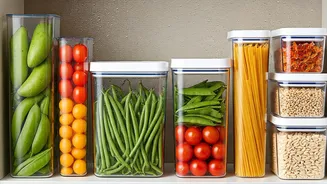
That bag of atta or container of rice can become a prime target for pests and mould during the monsoon. Humidity can make flours and grains like sooji (rava) clump together and develop a musty smell, while also encouraging the growth of tiny insects. While storing in airtight containers is a good first step, the refrigerator offers a more secure environment. For items you don't use daily, consider lightly dry-roasting them before storing. This removes excess moisture. Then, place them in airtight bags or containers and keep them in the fridge to prevent any infestation or spoilage. For dals and pulses, refrigeration prevents them from becoming a breeding ground for pests.
Bread, Biscuits, and Baked Goods
Nothing is more disappointing than reaching for a biscuit only to find it has turned soft and soggy. The same goes for bread, which is notoriously quick to grow mould in damp weather. The kitchen counter is not a safe place for these items during the monsoon. Storing bread in the refrigerator is essential to prevent mould growth. Biscuits, crackers, and other namkeen snacks will retain their crispness far longer if kept in an airtight container inside the fridge. This simple move stops them from absorbing ambient moisture and becoming unpleasantly chewy.
Cut Fruits and Vegetables
While whole fruits and vegetables might last on the counter, the moment they are cut, they become vulnerable. The exposed flesh is an open invitation for bacteria, especially in the humid monsoon air. Sliced fruits like watermelon or mango, and chopped vegetables for meal prep, should be placed in airtight containers and refrigerated immediately. This not only maintains their freshness and nutritional value but also keeps them safe from contamination. Even hardy vegetables like onions and garlic, once peeled, are best stored in the fridge to prevent them from sprouting or spoiling.
Nuts and Dried Fruits
Nuts and dried fruits are packed with natural oils, which can turn rancid in warm, humid conditions. They can also attract bugs and develop mould. During the monsoon, the pantry is not the best storage spot. To keep almonds, cashews, walnuts, and raisins fresh and safe from pests, store them in a zip-lock bag or an airtight container in the freezer or refrigerator. The cold temperature will prevent the oils from spoiling and ensure they remain a healthy snack throughout the season without any unpleasant surprises.
Opened Pickles and Chutneys
Homemade or store-bought pickles, jams, and chutneys often rely on oil or sugar as preservatives. However, every time you open the jar, you expose the contents to humid air and potential contaminants from spoons. This can lead to the formation of fungus on the surface, a common problem during the monsoon. Once a jar is opened, it's safest to store it in the refrigerator door. This slows down any potential microbial growth and keeps your condiments fresh and ready to enjoy.