




The Sun's Turbulent Cycle
The sun operates on a roughly 11-year cycle, swinging between periods of calm and intense activity. The quiet phase is known as the solar minimum, characterized by very few sunspots. The peak of this cycle is the solar maximum, a time when the sun's magnetic
field becomes chaotic, leading to a dramatic increase in sunspots, solar flares, and colossal eruptions of plasma called coronal mass ejections (CMEs). We are currently in Solar Cycle 25, which began in December 2019. Scientists from NASA and NOAA have noted that this cycle has ramped up faster and is proving to be stronger than initially predicted, with the solar maximum period having begun in 2024.
When Flares Meet Infrastructure
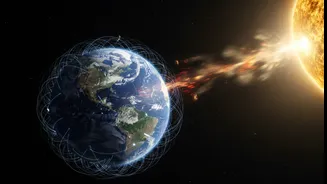
While beautiful auroras are a harmless side effect, solar storms pose a tangible risk to the technology underpinning our global economy. The primary threats are solar flares and CMEs. A solar flare is an intense burst of radiation that can disrupt radio communications and GPS signals by disturbing Earth's upper atmosphere. The more significant danger comes from CMEs, which are massive clouds of charged particles and magnetic fields hurtling through space. If a CME hits Earth, it can trigger a geomagnetic storm. This storm interacts with our planet's magnetic field, inducing powerful, low-frequency electrical currents in long conductors on the surface. These are called geomagnetically induced currents (GICs).
The Risk to Our Power Grids
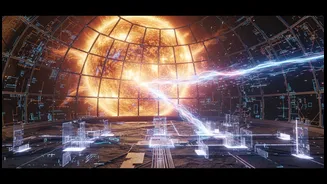
Power grids are especially vulnerable to GICs. These currents can flow into high-voltage transformers, the backbone of any electrical grid, causing them to overheat and saturate. This can lead to transformers being damaged beyond repair, triggering protective relays to trip and potentially causing cascading failures and widespread blackouts. The 1989 blackout in Quebec, which left six million people without power for nine hours, was caused by a geomagnetic storm much less intense than the largest ones on record. Replacing large, custom-built transformers can take months or even over a year, meaning a large-scale event could lead to prolonged outages.
Satellites and Communications Under Fire
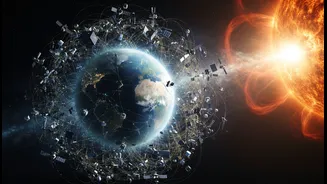
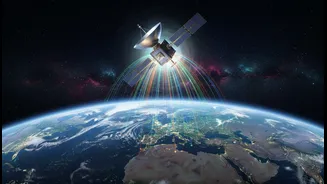
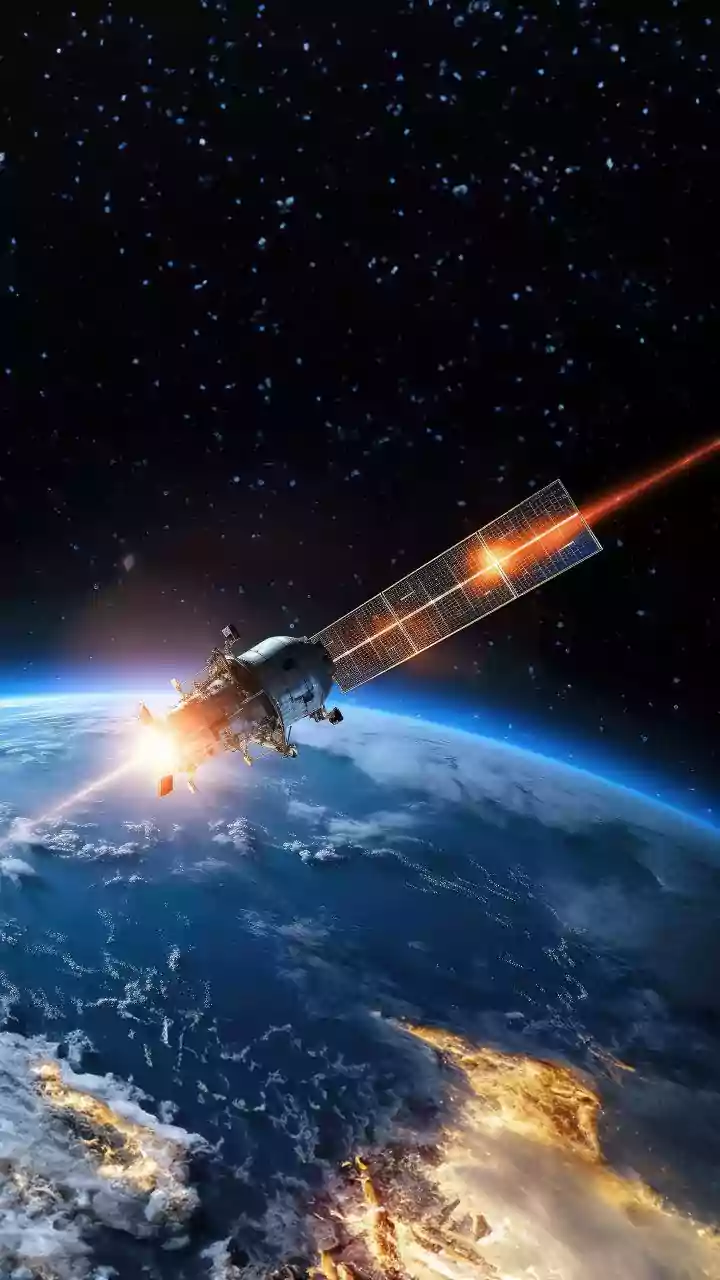
Our orbital infrastructure is on the front line. Satellites for GPS, communications, and weather forecasting are exposed to the full force of solar radiation beyond the protection of most of our atmosphere. This radiation can degrade solar panels, damage sensitive electronics, and even cause 'phantom commands' that alter a satellite's function. During intense storms, the upper atmosphere can heat up and expand, increasing drag on low-orbiting satellites and potentially causing them to fall out of orbit. Furthermore, the undersea cables that carry the vast majority of international internet traffic rely on electronic repeaters that are also vulnerable to induced currents, posing a risk to global connectivity.
Our Eyes on the Sun
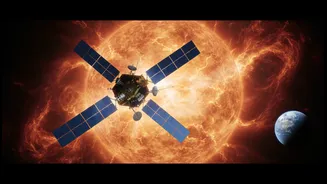
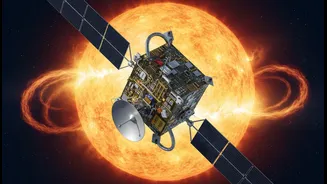
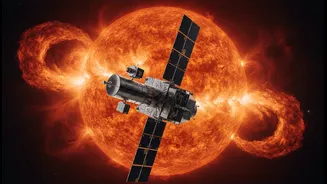
This is where observation cycles become vital. A fleet of spacecraft constantly monitors the sun, providing the data needed for space weather forecasting. Missions like NASA's Solar Dynamics Observatory (SDO), the Parker Solar Probe, and the ESA/NASA Solar and Heliospheric Observatory (SOHO) give us an up-close view of the sun's activity. These observatories track the formation of sunspot regions, detect solar flares as they happen, and watch for CMEs erupting from the sun. Since the radiation from a flare travels at the speed of light, it gives us an immediate alert, while the slower-moving CME particles can take from 18 hours to several days to reach Earth, providing a crucial window to prepare.
From Prediction to Protection
Armed with data from these solar observatories, agencies like NOAA's Space Weather Prediction Center issue forecasts and warnings. This allows power grid operators to take protective measures, such as reducing load on the system or temporarily taking certain transformers offline to prevent damage. Satellite operators can put their spacecraft into a safe mode to protect sensitive electronics. While we can't stop a solar storm, these observation and prediction systems allow us to mitigate the worst of its effects, turning a potential catastrophe into a manageable event. As our reliance on technology grows, the importance of this constant vigilance only increases.