







A New Culinary Itinerary
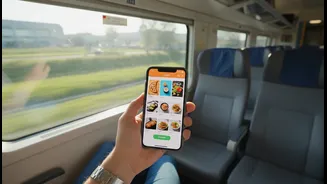
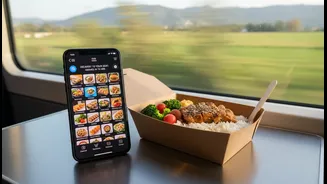
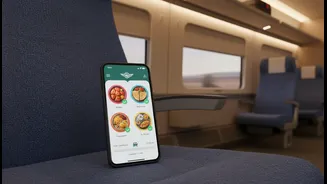
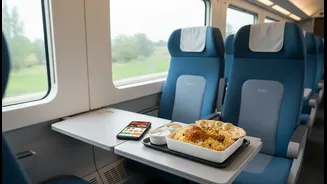
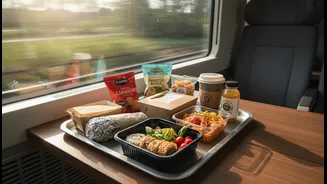
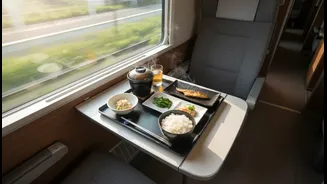
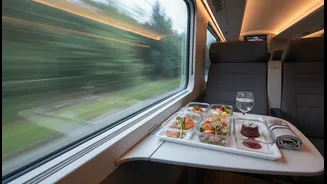
Not long ago, train food meant either a packed meal from home or the limited, often criticised, options from a pantry car. Today, a quiet revolution is underway. Passengers can now use apps to order everything from a Domino's pizza to a local Bengali
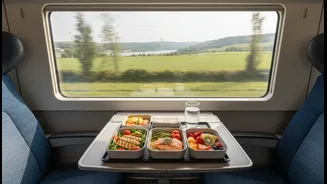
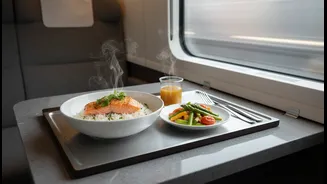
fish thali, delivered right to their berth. Platforms like Zoop, RailRestro, and even Swiggy have partnered with IRCTC's e-catering service, creating a digital ecosystem that connects passengers with hundreds of restaurants at stations across the country. This trend has exploded, turning what was once a niche service into a default expectation for many travellers, with daily meal bookings crossing into the lakhs.
Beyond the Pantry Car
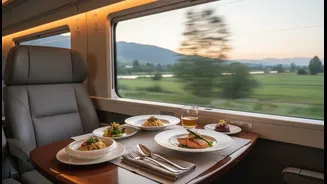
This digital wave is fundamentally altering the traditional model of railway catering. For decades, IRCTC-managed pantry cars were the primary source of hot meals on long journeys. Now, the focus is shifting to a hybrid model. While pantry cars still exist, IRCTC is increasingly acting as a facilitator, unbundling its services and partnering with private players. This move is driven by passenger demand for more variety, better hygiene, and consistent quality—issues that have historically plagued railway food. The e-catering network, now covering over 400 stations, allows Indian Railways to expand its menu exponentially without having to build a kitchen in every single train.
The Tech and Logistics Engine
Delivering food to a moving target is a complex logistical puzzle. The solution lies in technology that integrates with railway systems. When a passenger places an order using their PNR number, the platform tracks the train's real-time location, not just its schedule. This allows a restaurant near an upcoming station to prepare the meal just in time. If a train is delayed, the system automatically adjusts the delivery time and coordinates with the vendor, minimising the risk of cold food or missed handovers. Aggregators like Zoop and RailMitra have built their entire model around solving these specific railway-related challenges, creating a surprisingly seamless experience for the end user.
Economic Ripples Down the Track
The impact extends far beyond passenger convenience. This trend is creating a new micro-economy around railway stations. Local restaurants, which previously had no way to access the captive market of train passengers, can now register as vendors and dramatically expand their customer base. This is particularly beneficial in smaller towns and tier-2 or tier-3 cities. It also fosters the growth of cloud kitchens located strategically near railway lines. The entire ecosystem relies on a network of delivery personnel, creating gig economy jobs in places that might not have a robust urban food-delivery scene. The market for this service is projected to grow significantly, indicating a major economic opportunity.
Potential Bumps on the Line
Despite the growth, the system isn't without its challenges. Ensuring consistent food quality and hygiene across thousands of vendors remains a primary concern for both IRCTC and its partners. The logistics, while impressive, can fail if a train's halt at a station is too short or if network connectivity is poor in remote areas. There is also the risk of creating a digital divide, where passengers who are less tech-savvy or travelling on tighter budgets are left with the older, more limited options. As these platforms collect vast amounts of travel and preference data, questions around privacy and how this information is used will also become more pertinent.