






The Reality of the Urban Squeeze
For millions of young professionals and students flocking to cities like Bengaluru, Mumbai, and Gurugram, the dream of urban living comes with a catch: small square footage and high rents. The rise of co-living spaces and compact apartments is a direct
response to this urban migration. These living arrangements, while affordable and convenient, present a design challenge. How do you fit a bedroom, living room, and a workspace into a single room without it feeling cluttered and chaotic? This constraint has fuelled a revolution in interior design, forcing a shift away from bulky, single-purpose items towards smarter, more adaptable solutions.
More Than Just Saving Space
The appeal of multi-functional furniture goes beyond mere space-saving. It’s about empowerment and control over one's environment. In a rental property where structural changes are off-limits, furniture becomes the primary tool for personalization. A sofa that transforms into a guest bed, or a dining table that expands to host friends, gives residents the flexibility to adapt their home to their needs. This is a psychological win. It allows a single room to serve multiple functions—a quiet office during the day, a cozy lounge in the evening, and a welcoming space for guests over the weekend—making a small home feel expansive and versatile.
Meet the Heroes of Small Spaces
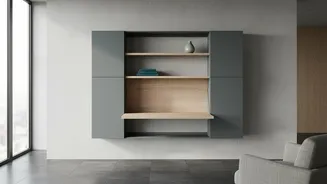
The stars of this trend are as ingenious as they are stylish. The modern sofa bed, for instance, is a far cry from its lumpy predecessors, offering genuine comfort as both a couch and a bed. Beds with hydraulic lifts reveal cavernous storage spaces underneath, eliminating the need for extra wardrobes. Wall-mounted desks and dining tables fold away seamlessly, reclaiming valuable floor space when not in use. Nesting coffee tables, modular sofas that can be reconfigured, and ottomans with hidden storage compartments are other popular choices that help maintain a clean, organized look in a compact home.
A New Philosophy of 'Home'
This trend is also deeply connected to a generational shift in mindset. For many millennials and Gen Z renters, home is less about permanence and more about experience and flexibility. They are a mobile workforce, often relocating for jobs or projects. Investing in heavy, traditional furniture that is difficult to move doesn't make sense. Instead, they prefer adaptable pieces that can travel with them or are part of the furnished, 'hassle-free' living promised by co-living operators. This approach treats furniture as a service that supports a dynamic lifestyle, rather than a lifelong commitment. The rise of furniture rental platforms further underscores this shift toward flexible, low-commitment living.
The Market Responds with Style
Furniture brands and designers in India have been quick to recognize and cater to this growing demand. Both online marketplaces and brick-and-mortar stores now feature dedicated collections for small-space living, offering pieces that are not just functional but also aesthetically pleasing. The misconception that multi-functional means compromising on style or quality is fading fast. Today's designs blend clever engineering with modern aesthetics, using quality materials to ensure durability. From minimalist Scandinavian designs to pieces that incorporate traditional Indian craftsmanship, there is a wide array of options available to suit different tastes and budgets, making smart design accessible to everyone.