






The Visa-Free Gateway
The most significant recent development for Indian travellers has been Thailand's visa policy. As of late 2026, Indian passport holders can enter Thailand for tourism and stay for up to 30 days without needing to apply for a visa beforehand. This visa exemption
not only saves you the typical visa fee of around ₹3,000-₹5,000 but also eliminates the time-consuming application process and the uncertainty of on-arrival queues. This policy makes spontaneous trips more feasible and channels your entire budget towards the actual experience. A 6-day trip fits perfectly within this 30-day window, allowing you to dive straight into your island adventure the moment you land.
Flights: The Biggest Variable
The ₹30,000 budget is most achievable when focused on on-ground expenses. Airfare is the largest and most volatile part of the cost. However, getting to Thailand from India has become increasingly affordable with budget airlines like IndiGo, AirAsia, and Scoot frequently offering deals. A round-trip ticket can range from ₹15,000 to over ₹30,000 depending on how far in advance you book and your city of departure. To secure the best prices, plan your travel during the shoulder seasons (April-June and September-October), book at least two to three months ahead, and fly from major hubs like Kolkata, Chennai, or Delhi, which often have cheaper direct flights.
A Sample 6-Day Krabi Itinerary
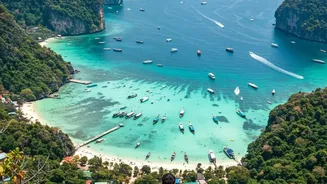
Krabi is an excellent choice for budget island hoppers, offering stunning scenery without the premium prices of Phuket in some areas. Here is a sample itinerary that balances iconic sights with relaxation. Day 1: Arrive at Krabi Airport, transfer to your hostel in Ao Nang, and spend the evening exploring the local beach and night market. Day 2: Take a classic 'Four Islands' long-tail boat tour, which includes snorkeling and visiting Phra Nang Cave Beach. These group tours are cost-effective and cover multiple spots. Day 3: Explore Railay Beach, accessible only by boat from Ao Nang. Spend the day swimming, sunbathing, and hiking to the breathtaking viewpoint. Day 4: Take a half-day trip to the Emerald Pool and nearby natural hot springs for a refreshing jungle experience. Day 5: Rent a scooter to explore more remote beaches like Klong Muang or visit the Tiger Cave Temple (Wat Tham Suea) for panoramic views. Day 6: Enjoy a final Thai breakfast before heading back to Krabi Airport for your departure.
On-Ground Budget: The ₹30,000 Breakdown
Sticking to a tight budget requires smart choices. The ₹30,000 goal primarily covers your expenses after landing in Thailand. Here’s a realistic daily and total breakdown per person. Accommodation: Opt for hostels or basic guesthouses. A dorm bed can cost as little as ₹700-₹1,000 per night. For five nights, this totals approximately ₹5,000. Food: Embrace street food. Delicious and authentic meals like Pad Thai or green curry can be found for ₹100-₹200. Budgeting ₹1,200 per day for all meals and drinks is generous. Over six days, this amounts to ₹7,200. Local Transport: Use local songthaews (shared taxis), rent a scooter for a couple of days (around ₹500/day), and walk. Budget around ₹3,000 for all local travel, including airport transfers and boat trips to Railay. Activities: Prioritise one major group tour like the Four Islands trip (approx. ₹2,500). Other days can be filled with free activities like beach hopping and exploring temples. Miscellaneous: Keep a buffer of ₹2,300 for water, snacks, and small souvenirs. This brings your total on-ground expense to a very manageable ₹20,000, leaving a ₹10,000 cushion for a lucky flight deal or extra activities.
Money-Saving Pro Tips
To make your money go further, live like a local. Eat at street stalls and night markets where the food is both cheaper and often more authentic than tourist-trap restaurants. Use the 7-Eleven stores for affordable water, snacks, and toiletries. For island tours, always book from local operators in Ao Nang rather than online in advance, as you can often negotiate a better price in person. When using tuk-tuks for short distances, always agree on the fare before starting your journey. Finally, consider using a travel-friendly debit or credit card to avoid high currency exchange fees, but always carry enough cash for small vendors and markets.