






When you only have 72 hours, the last thing you want to do is waste them in traffic. The secret to a perfect short break isn't just what you plan to see, but where. A city’s layout is a game-changer, making compact cities a traveller’s best friend.
The Compact City Advantage
So,
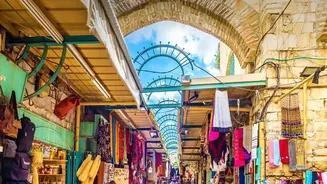
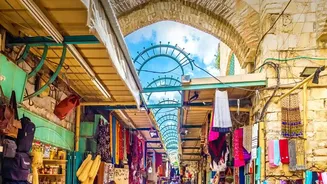
what makes a city 'compact'? It's an urban planning concept that promotes high-density, mixed-use areas where homes, shops, and services are located close together. For a tourist, this translates to a 'city of short distances'—a place where the main attractions, best restaurants, and your hotel are all within a manageable, often walkable, area. Think of Florence, where you can stroll from the Duomo to the Ponte Vecchio in minutes, or Amsterdam, with its concentric canals connecting vibrant neighbourhoods. This is the direct opposite of urban sprawl, where low-density development pushes everything further apart, making a car or extensive public transport use a necessity.
Maximise Your Time, Minimise Transit
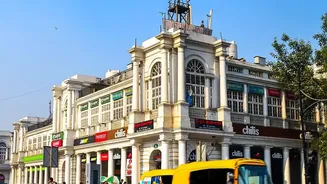
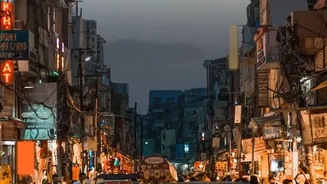
On a three-day trip, time is your most valuable currency. In a sprawling metropolis like Los Angeles or Delhi, travelling between neighbourhoods can consume hours. A visit to a museum in the morning and a dinner reservation in a different district can be a major logistical exercise. In a compact city, you reclaim that time. The journey becomes part of the experience, not an obstacle to it. Less time spent navigating subway systems or sitting in a taxi means more time for an extra museum, a longer lunch, or simply soaking in the atmosphere from a sidewalk cafe. The reduced need for car use also has the welcome side effect of lowering transport costs.
An Experience of Serendipity
One of the greatest joys of travel is the unexpected discovery. A compact, walkable city is built for serendipity. As you wander from one planned destination to the next, you stumble upon hidden courtyards, independent bookshops, and local markets that aren't in any guidebook. This kind of immersive exploration is much harder in a car-dependent city, where your experience is often limited to your origin and destination points. Walking allows you to engage with the city on a human scale, creating a richer, more memorable trip where you feel the city’s pulse block by block.
Great Examples of Compact Design
Many of the world's most beloved tourist destinations are celebrated for their walkability. Florence is often cited as a prime example, where its Renaissance treasures are packed into a stunningly small area. Venice, being entirely car-free, forces you to explore on foot, leading to charming discoveries in its maze of alleys. Other cities like Edinburgh, Prague, and Lisbon offer a similar experience, with historic cores that reward pedestrians with incredible sights at every turn. Even parts of larger cities, like the Gothic Quarter in Barcelona or Greenwich Village in New York, function as compact zones that are perfect for a day of exploration.
When Sprawl Has Its Place
This isn't to say sprawling cities aren't worth visiting. For longer trips, or for travellers with specific, spread-out interests, a larger metro area offers unparalleled diversity. If your goal is to explore disparate subcultures, visit niche attractions in various suburbs, or you're on a business trip with meetings across town, a sprawling layout is simply a reality you plan around. The key is matching the city type to your travel style and duration. For the quick, high-impact getaway, where efficiency and experience are paramount, the compact model is difficult to beat.