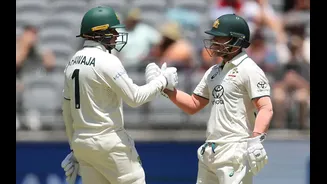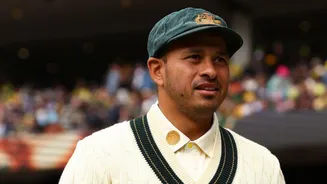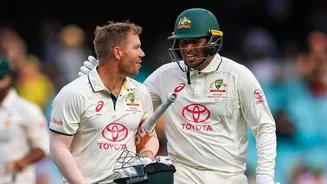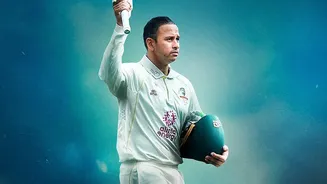





The 2018 'Sandpapergate' scandal was a moment of deep shame for Australian cricket. Eight years on, Usman Khawaja’s new autobiography, ‘Sabr’, has reopened old wounds with bombshell claims that challenge the official narrative.
A Quick Look Back: Sandpapergate
To understand the new revelations,
it’s crucial to recall the original incident. In March 2018, during the third Test against South Africa in Cape Town, television cameras caught Australian player Cameron Bancroft rubbing the ball with a small, yellow object. He was later seen hiding it in his trousers. At a press conference that day, then-captain Steve Smith admitted to a pre-meditated plan by the team's 'leadership group' to alter the ball's condition using what was initially described as tape but later confirmed to be sandpaper. The fallout was immediate and severe. Cricket Australia banned Smith and vice-captain David Warner for 12 months, while Bancroft received a nine-month suspension. The official investigation concluded that only these three players were aware of the plot, a finding that has been met with scepticism ever since.
Khawaja’s Bombshell: The Insider Account
In his autobiography, Khawaja makes the explosive claim that knowledge of the plan was not limited to the sanctioned trio. “It was all of us. Not the batters, not the bowlers, not the staff. All of us,” he wrote, suggesting a collective responsibility. According to excerpts, discussions about using sandpaper were happening openly in the dressing room even before the infamous Cape Town Test. Khawaja alleges that the practice was trialled during the second Test of the series, where teammates were amazed at how effective it was. He also claims he was never interviewed as part of Cricket Australia's official investigation, despite being a member of the squad. These revelations directly contradict the official narrative that Sandpapergate was an isolated incident orchestrated by just three players.
More Than Just Three Players?
Khawaja's book isn't just about sharing blame; it's about seeking justice for the three players he believes were made scapegoats. He states that Smith, Warner, and Bancroft are the real 'victims' who suffered public humiliation to shield the rest of the team. Since the book's excerpts were released, David Warner broke his eight-year silence on the matter, backing Khawaja's account as '100% accurate' and calling the original investigation 'rushed and botched'. Khawaja reveals that he wanted the team to accept collective responsibility immediately after the incident but was talked out of it by Smith, who chose to absorb the backlash himself. He also claims that when he pushed for a group admission, two specific teammates disagreed, a moment he found deeply disappointing.
The Fallout and an Uneasy Legacy
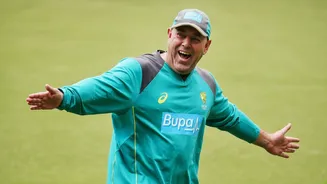
The revelations have sent shockwaves through Australian cricket, reigniting a painful chapter. Cricket Australia has stated it is “comfortable” with its original findings and has ruled out reopening the investigation. However, some, including the man who led a 2018 player review, have called for a new inquiry. The Australian bowlers who were part of that 2018 squad have maintained their position from a 2021 statement, denying they knew a foreign substance was taken onto the field. Former coach Darren Lehmann has also disputed Khawaja’s claim that 'everyone' knew. Khawaja, for his part, has clarified that his intent was not to 'throw anyone under the bus' but to highlight a collective failure and give his friend David Warner a chance to share his side of the story. The book ensures that even eight years later, the full story of Sandpapergate remains a contentious and unresolved issue.