







The End of the Itinerary
The whirlwind tour is officially losing its charm. Young Indian professionals are increasingly turning their backs on the 'FOMO' (fear of missing out) holiday that leaves them needing another vacation to recover. Instead of cramming multiple cities and
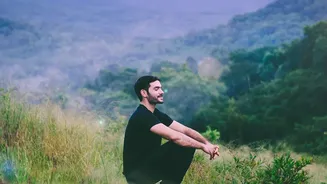
a dozen monuments into a single week, they are embracing 'slow travel'. This mindset shift prioritises depth over distance and connection over checklists. The frantic energy of post-pandemic 'revenge travel'—a rush to make up for lost time—is now giving way to a more intentional and restorative approach. The new travel goal is simple: return home feeling better, not more exhausted. This isn't about laziness; it's a conscious choice to reclaim travel as a form of genuine escape and restoration.
A Direct Response to Burnout
This trend isn't happening in a vacuum. It is a direct response to the pervasive culture of burnout affecting urban India. With high-pressure jobs, 'always-on' digital connectivity, and blurred work-life boundaries, Millennial and Gen Z professionals report some of the highest levels of exhaustion globally. As a result, travel is no longer just a luxury but a crucial coping mechanism. A short, packed trip simply doesn't provide the mental reset required. People are actively seeking getaways that offer a real break from their hyper-productive lives, choosing stays that promise peace, quiet, and the permission to do nothing at all. The holiday has become a tool for mental and emotional maintenance.
From 'Work From Home' to 'Work From Hills'
The rise of remote and hybrid work has been a game-changer, giving birth to the 'workation' culture. Young Indians have discovered they can swap their city apartments for a beach house in Goa or a cottage in the hills of Uttarakhand without missing a deadline. This flexibility allows for longer stays in a single location, which naturally encourages a slower pace of life. Resorts and homestays have adapted quickly, offering high-speed internet, comfortable workspaces, and other amenities to cater to this new breed of digital nomad. The workation is the perfect blend of productivity and peace, allowing travellers to escape the monotony of their daily environment without having to use up their precious leave.
What These Relaxing Stays Look Like
So, where are these travellers going? The focus has shifted from large, impersonal hotels to more intimate and experience-driven accommodations. Staycations at boutique hotels within the city are booming, offering a quick escape without the stress of travel. Beyond the cities, there is a growing demand for wellness retreats in places like Rishikesh and Kerala, offering structured programmes in yoga, meditation, and Ayurveda. Offbeat destinations and eco-conscious homestays that allow for deep immersion in local culture are also gaining popularity. The common thread is an emphasis on experience over extravagance and well-being over a packed schedule.
A Shift in Values
Ultimately, this trend signifies more than just a change in travel habits; it reflects a broader shift in life priorities for young Indians. The focus is moving away from accumulating experiences for social media validation towards seeking genuine personal enrichment and well-being. They are choosing memories over miles and prioritising mental and spiritual health. It's a realisation that the true value of a holiday lies not in the number of photos you take, but in the sense of peace you bring back with you. This generation is investing in travel that heals, restores, and provides a meaningful break from the relentless pace of modern life.