



The Crimson Jewels of the Dang
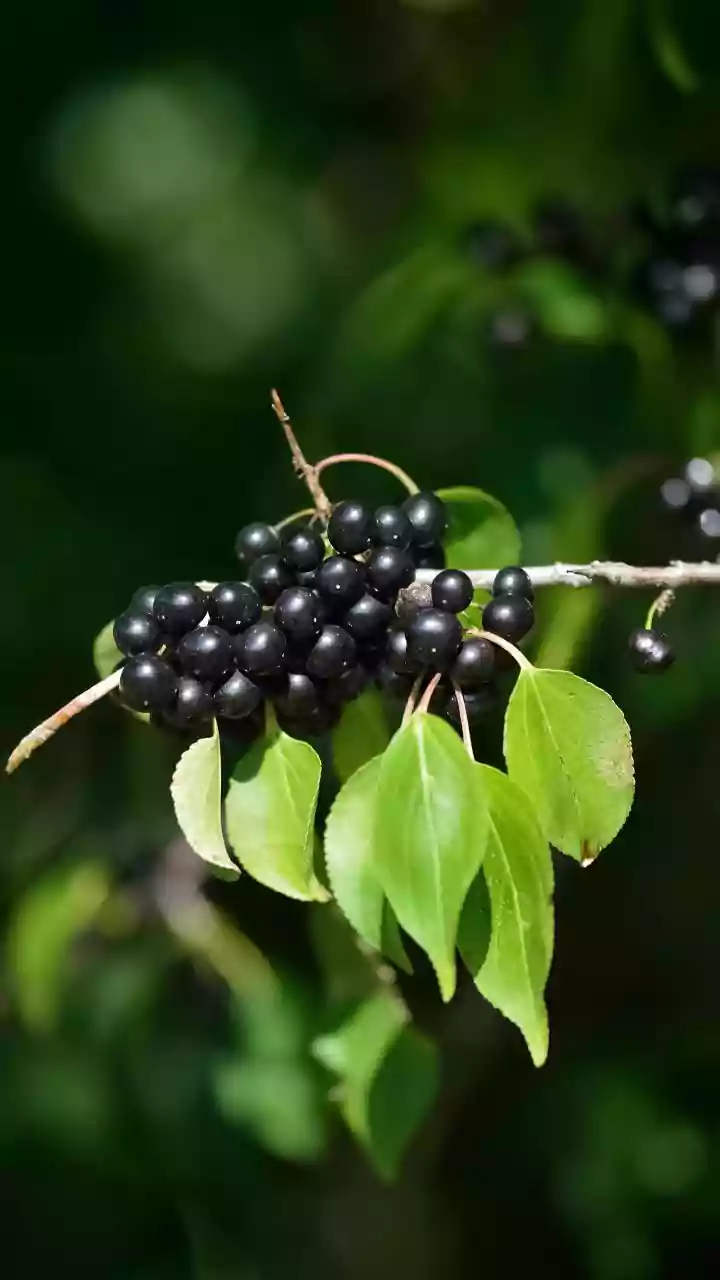
Deep in the arid landscapes of Karauli lies the Dang, a region where nature's resilience is on full display. Here, the wild 'beri' or 'jharberi' (Ziziphus nummularia), a cousin of the common jujube, thrives against the odds. This thorny shrub, which requires
no cultivation, irrigation, or fertiliser, bursts into life during the winter, its branches heavy with small, reddish-brown fruits. Known locally as the 'apple of the forests', its taste is a delightful mix of sweet and sour. These berries are not just a seasonal treat but a symbol of the region's hardy biodiversity, flourishing in harsh conditions and providing sustenance when other resources are scarce. Every part of the plant holds value for rural communities, from its leaves for fodder to its thorny branches for fencing.
A Livelihood Handpicked with Care
The story of the wild beri is inseparable from the people who harvest it, primarily women from local tribal communities. For generations, these women have ventured into the forests, their knowledge of the land guiding them to the best bushes. The collection process is laborious, involving careful picking from thorny branches. For these communities, the annual harvest is a crucial source of income. An estimated 100 million people across India depend on such Minor Forest Produce (MFP) for a significant portion of their annual earnings, and the scene in Karauli is a microcosm of this reality. This income, earned through painstaking work, helps sustain families, particularly during the lean months, making the humble beri a cornerstone of the local household economy.
From Forest Floor to Market Stall
The journey of the wild beri doesn't end at the edge of the forest. Once collected, the berries are brought to local markets. They are sold fresh, but a large portion is sun-dried. The dried berries, ground into a powder known as 'borkut', can be stored for months and used in various preparations. This value addition, however simple, extends the fruit's shelf life and economic potential. Despite their importance, collectors often face challenges. Exploitation by middlemen, a lack of organised marketing channels, and fluctuating prices are common hurdles. Initiatives like the government's Minimum Support Price (MSP) for MFP and organisations like TRIFED aim to create a more equitable system, ensuring that the primary collectors receive a fair share of the profits.
More Than Just a Fruit
The significance of the wild beri in Karauli extends beyond economics. It is a vital part of the region's culture and ecology. The fruit is rich in Vitamin C and fibre, making it a natural nutritional powerhouse that has long been part of the local diet. It also holds a place in mythology, often linked to the story of Shabari's offering to Lord Ram in the epic Ramayana, symbolising pure and humble devotion. Ecologically, the beri plant is a survivor, its deep root system helping to prevent soil erosion and stabilise sand dunes. The fruits are a food source for birds and other wildlife, playing a key role in the local food web and supporting the biodiversity of the Dang forest.
The Future of Forest Produce
The relationship between the communities and the forest in Karauli is a delicate one, facing modern pressures. While laws like the Forest Rights Act (2006) empower communities by granting them ownership rights over minor forest produce, implementation can be a challenge. Issues like restricted forest access and the declining transfer of traditional ecological knowledge to younger generations pose a threat to this sustainable livelihood. For the wild beri and other forest products to continue supporting local communities, a multi-faceted approach is needed. This includes the stronger implementation of supportive government schemes, empowering local cooperatives to improve bargaining power, and promoting value addition at the local level to ensure that this ancient bond between people and the forest can thrive for generations to come.