


Setting the Stage: Pots and Soil
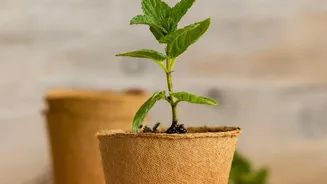
Before you even think about the plant, think about its home. For a balcony garden, the right container is everything. Choose pots that are at least 8-10 inches wide and deep, especially for vigorous growers like mint and lemongrass. The most critical
feature is drainage holes. Without them, the constant rain will create a soupy mess, leading to root rot. Your soil mix is equally important. Don't use heavy garden soil, which compacts easily. Instead, opt for a light, well-draining potting mix. A good combination is regular soil, cocopeat (to retain moisture without becoming waterlogged), and compost for nutrients. This creates an ideal environment where roots can breathe, even when the weather is damp. Elevating pots on stands or bricks can also dramatically improve drainage during downpours.
The Basil Dilemma: Sun and Shelter
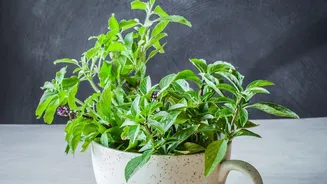
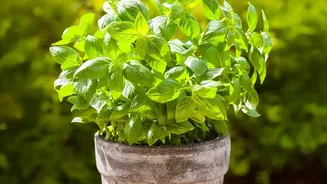
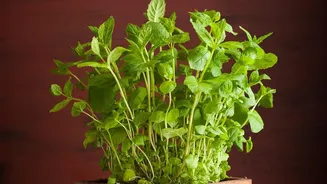
Basil, the heart of many Italian and Thai dishes, loves warmth and sunlight. It needs about six to seven hours of sun to flourish and develop its signature aroma. However, it's also delicate. While it needs consistent moisture, its leaves and stems are susceptible to fungal diseases in the damp, humid conditions of the monsoon. Heavy rain can physically damage the tender leaves. The best approach is to place your basil pot in the sunniest part of your balcony but provide some shelter from direct, heavy rainfall. If possible, move the pot under a covered area during a downpour. Ensure good air circulation around the plant to keep the leaves dry. Water at the base, keeping the leaves as dry as possible, and only when the top inch of soil feels dry.
Mint Mastery: Taming the Beast
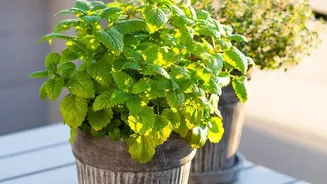
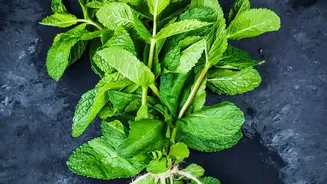
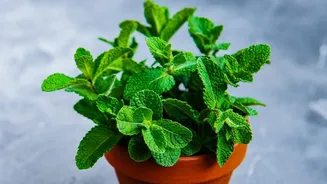
Mint is famously easy to grow, so much so that its vigour can be its own challenge. It spreads rapidly through runners and can quickly take over a pot, or even jump to neighbouring ones. For this reason, it's best to give mint its own dedicated container. Mint enjoys moist soil and doesn't mind the humidity of the monsoon. However, like basil, it can suffer if its roots are constantly waterlogged. Good drainage is key. During the rains, you may not need to water it at all. The increased moisture can sometimes lead to issues like rust or fungal spots on the leaves. To combat this, ensure good air circulation and prune the plant regularly. Frequent harvesting is the best way to encourage bushier, healthier growth and prevent the plant from becoming leggy.
Lemongrass Love: A Tropical Classic
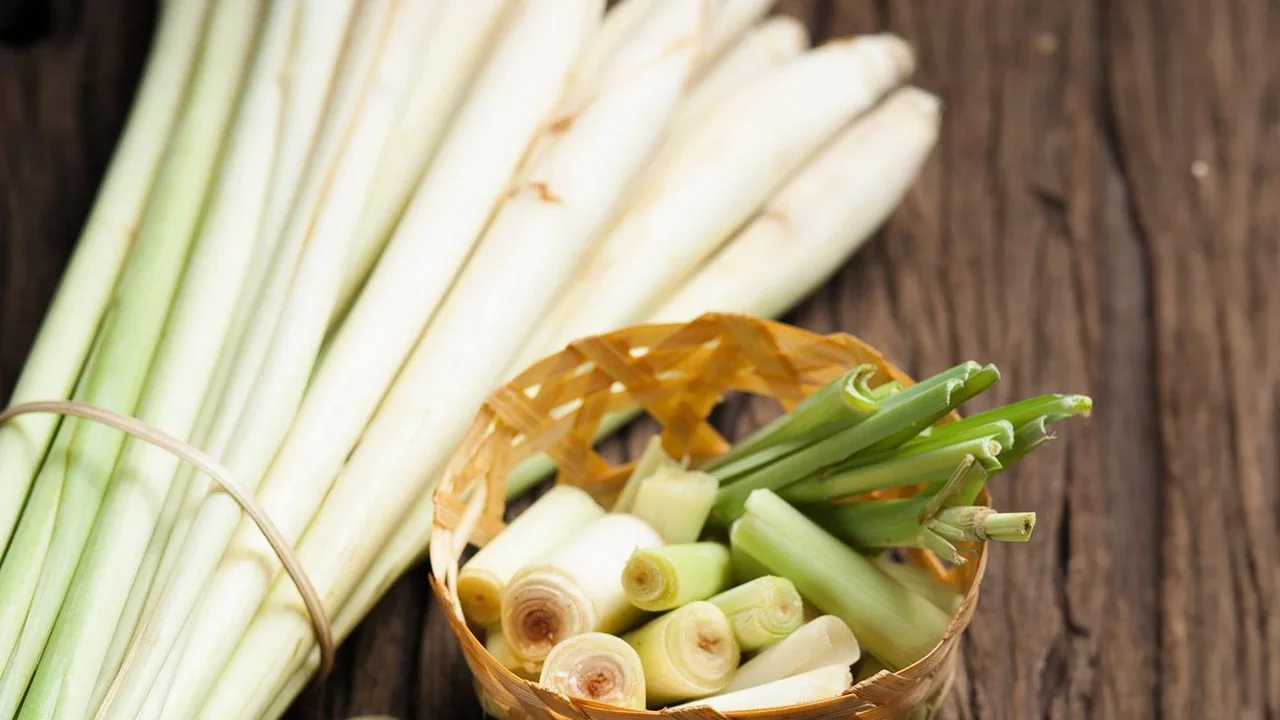
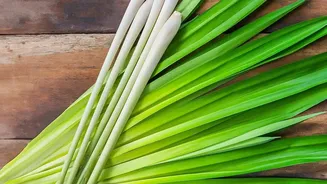
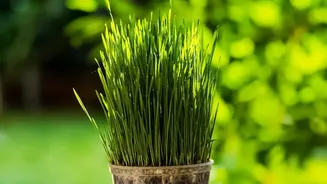
Lemongrass is a tropical grass that adores sun and warmth, making it a perfect fit for Indian balconies. To get started, you can simply root a fresh stalk from the market in a glass of water. Once it develops roots, plant it in a large, deep pot (at least 10-12 inches wide) to accommodate its bushy growth habit. Lemongrass is more tolerant of rain than basil but still requires well-draining soil to prevent its roots from sitting in water. It thrives on about six hours of daily sunlight. During the monsoon, the main challenge is ensuring the pot drains freely. Heavy rain can also leach nutrients from the soil, so feeding your lemongrass with a bit of compost every few weeks will keep it producing fragrant, healthy stalks for your teas and curries.
Monsoon SOS: Pests and Problems
The rainy season is a boom time for pests. The damp, cool environment is a playground for slugs, snails, aphids, and fungal diseases. Inspect your plants regularly, especially the undersides of leaves, for any unwelcome visitors. Snails and slugs love to munch on tender leaves and can be managed by hand-picking them in the evening. Aphids, tiny sap-sucking insects, often appear on new growth after a rain spell. A simple spray of neem oil mixed with water and a drop of liquid soap can help manage most of these pests organically. For fungal issues like powdery mildew, which appear as a white dusting on leaves, improving air circulation by pruning dense foliage is the first step. Remember, a healthy plant is the best defence against pests and diseases.