






Why Global Oil Prices Are Spiking
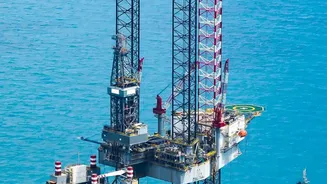
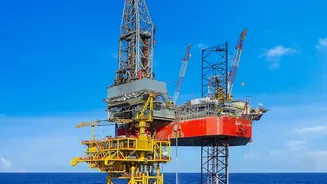
The primary driver behind the recent surge in oil prices is escalating geopolitical tension in the Middle East, specifically concerning the Strait of Hormuz. This narrow waterway is a critical chokepoint for global energy supplies, with a massive portion
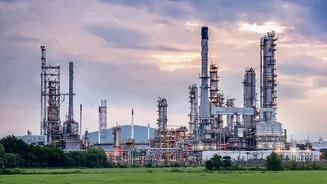
of the world's seaborne oil passing through it. An ongoing standoff has severely constrained tanker traffic, leading to a reduction in oil shipments and production shut-ins in the region. As a result, Brent crude, the global benchmark, has been trading at multi-week highs, recently climbing above $93 a barrel. This uncertainty in a key producing region has tightened the global oil market, creating a risk premium that is keeping prices elevated.
The Direct Impact on Your Flight Tickets
For airlines, fuel is one of the largest operating expenses. The price of Aviation Turbine Fuel (ATF) is directly linked to global crude oil prices, so when crude gets more expensive, so does flying. Airlines are likely to pass these increased costs on to passengers through higher fares to protect their profit margins. Some carriers may even reintroduce or increase fuel surcharges, which are extra fees added to the ticket price specifically to cover volatile fuel costs. In fact, anticipating the sustained impact of high fuel prices, some major Indian airlines have already begun rationalising operations and reducing flight frequencies on certain domestic routes for the coming months to manage costs. Fewer available seats, combined with high demand, could push fares even higher.
Feeling the Pinch on Road Trips
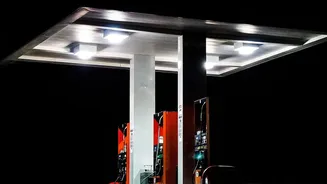
The impact isn't limited to air travel. Global crude oil prices are the biggest determinant of the retail prices for petrol and diesel in India, although central and state taxes also play a significant role. While state-owned oil marketing companies have kept rates largely stable recently, sustained high global prices will inevitably lead to upward revisions at the pump. Across major cities like Delhi, Mumbai, and Bengaluru, petrol prices are already well over the ₹100 per litre mark, with diesel not far behind. For those planning road trips, this means the budget for fuel will need to be reconsidered, as even small, daily price changes can add up significantly over a long journey.
Smart Strategies to Soften the Blow
While you can't control global oil markets, you can adjust your travel strategy to save money. Experts suggest booking flights as early as possible to lock in prices before they climb further. Flexibility is also key; flying on weekdays like Tuesday or Wednesday is often cheaper than on weekends. Using flight comparison tools to check fares across multiple airlines can help you find the best deals. For road trips, consider using apps that help you find the cheapest fuel stations along your route and plan for fuel-efficient driving. Simple vehicle maintenance, like ensuring your tyres are properly inflated, can also improve mileage and save you money in the long run. Finally, if you've been collecting credit card points or frequent flyer miles, now might be the perfect time to redeem them.