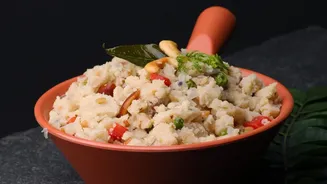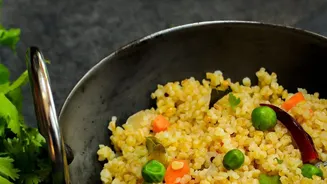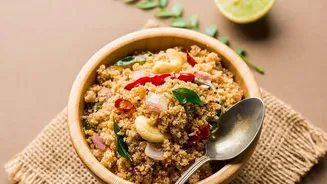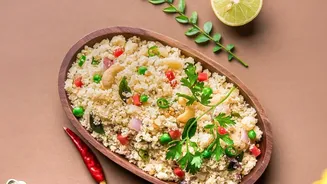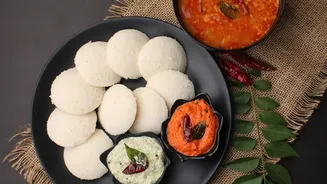

The humble upma is a cornerstone of Indian breakfasts, beloved for its simplicity and comfort. But to think all upma is the same is to miss a delicious story of regional diversity, told not just in flavour, but most importantly, in texture.
The Baseline: Classic Rava Upma
Let’s start
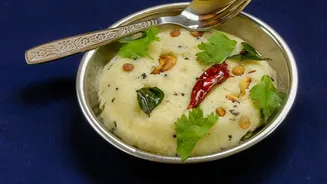
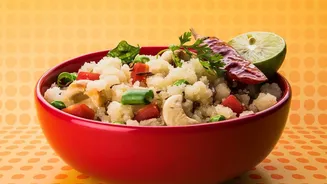
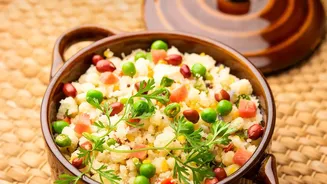
with the most widely recognised version, often made with fine semolina known as Bombay rava. When cooked correctly, this upma has a light, fluffy, and soft texture that isn't sticky or lumpy. The key is to perfectly roast the rava until it's fragrant and then add it to boiling water, creating a porridge-like consistency that firms up as it cools. Seasoned with a simple tempering of mustard seeds, lentils, curry leaves, and sometimes onions, its familiar texture is the benchmark against which all other upmas are measured. This is the quintessential quick breakfast, appreciated for its satisfying and uniform softness.
Karnataka’s Pride: The Soft & Spongy Khara Bath
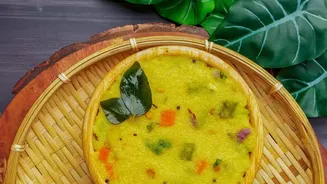
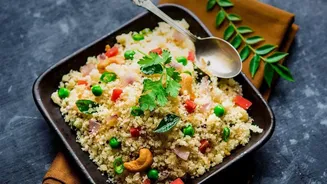
Travel to Karnataka, and you'll find Khara Bath, a richer and more flavourful cousin of the classic upma. While also made with semolina, the texture here is noticeably softer, fluffier, and more moist. The secret lies in a more generous use of ghee and water, along with a medley of finely chopped vegetables like carrots, beans, and capsicum. What truly sets it apart is the addition of a special spice blend, often vangi bath powder or a similar masala, which gives it a distinctive aroma and a savoury depth. In Bengaluru, it's famously served as 'Chow Chow Bath'—a plate with a scoop of savoury Khara Bath alongside its sweet counterpart, Kesari Bath.
Tamil Nadu’s Tradition: Coarse & Chewy Arisi Upma
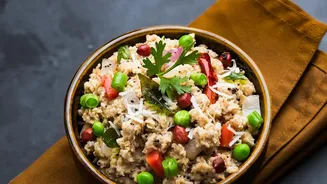
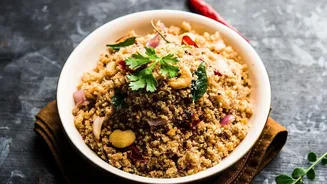
In Tamil Nadu, a completely different textural experience awaits with Arisi Upma, or Rice Upma. Instead of semolina, this version is made from coarsely ground raw rice, often combined with toor dal (split pigeon peas). This results in a much heartier, denser, and grainier texture. Each spoonful has a satisfying chewiness, a world away from the fluffiness of rava upma. The grains remain distinct and don't clump together into a porridge. Traditionally prepared in a bronze vessel called a 'vengala panai', it's seasoned with peppercorns, cumin, and coconut, offering a rustic and robust breakfast experience.
The Maharashtrian Way: Tangy & Soft Sanja
In Maharashtra, you'll encounter 'Sanja' or 'Upit'. While similar to the classic rava upma, the Maharashtrian version often introduces a unique tangy note by using buttermilk along with water for cooking. This not only adds a subtle sourness but also contributes to a very soft, almost pudding-like consistency. Turmeric is another key addition, giving the Sanja its characteristic golden-yellow colour and an earthy warmth that distinguishes it from its southern counterparts. Garnished with fresh coconut and sometimes crispy sev, this upma is defined by its soft texture and a delightful tangy flavour profile.
The Wheat Variant: Bansi Rava's Firm Bite
Another textural dimension comes from the type of wheat used. Bansi Rava, a type of coarse semolina made from a hard variety of durum wheat, is popular in Karnataka and other parts of South India. It is darker in colour and has a higher gluten content. When used for upma, it produces a firmer and more granular texture where the grains remain separate and don't become mushy. This version requires more water and a slightly longer cooking time, resulting in a dish that is both filling and has a pleasant, non_sticky bite. It's a healthier, high_fibre option that offers a distinctly nutty taste and a firm texture.
The Noodle Alternative: Light & Separate Semiya Upma
Finally,' there is Semiya Upma', made with wheat vermicelli. This version is a favourite across India for its unique texture. Instead of a porridge,' you get a dish of light,' fluffy,' and separate strands,' almost like a savoury noodle preparation.' The roasted vermicelli is cooked with a tempering of spices and vegetables until it's tender but not mushy.' Because the strands hold their shape,' the texture is never dense or heavy.' It’s a quick_cooking alternative that feels lighter while still delivering the comforting flavours of a traditional upma.'