




From Forgotten Grains to Superfood Stars
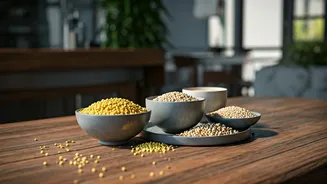
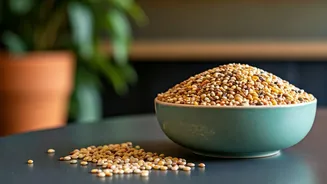
For decades, millets like jowar (sorghum), bajra (pearl millet), and ragi (finger millet) were pushed to the sidelines. During India's Green Revolution in the 1960s, the focus shifted to high-yield crops like rice and wheat, and these ancient grains were often
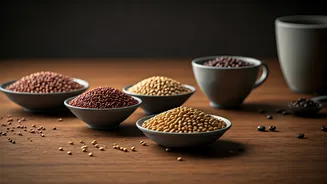
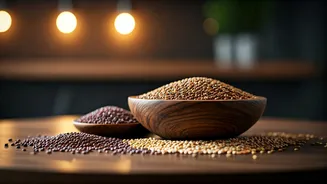
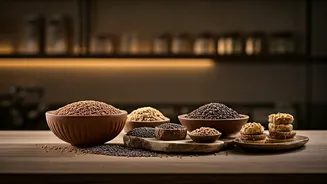
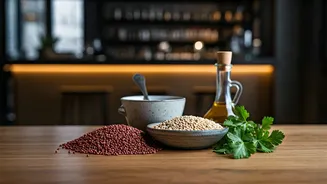
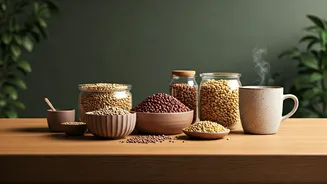
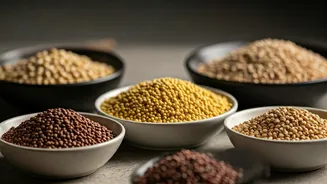
dismissed as “poor man’s food.” But now, a major comeback is underway. Recognised for their incredible nutritional profiles—rich in fibre, protein, and minerals—and their climate-resilient nature, these grains are being rebranded as homegrown superfoods. This revival has been championed by government initiatives and a growing public awareness, culminating in the UN declaring 2023 as the International Year of Millets. This has helped bring these nutri-cereals back into the mainstream conversation and onto modern menus.
The Cafe-fication of Local Millets
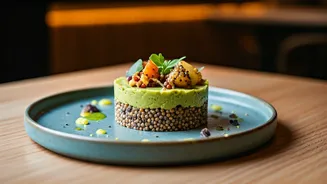
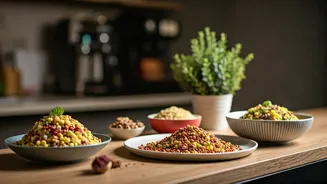
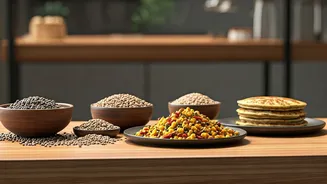
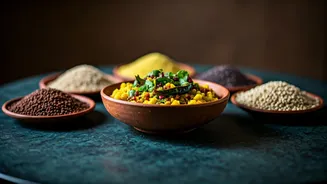
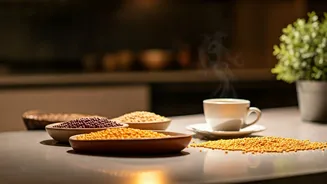
The real magic is happening in the places Gen Z loves to hang out: cafes. These creative culinary spaces are leading the charge in making desi grains undeniably cool. Instead of just serving them in traditional forms, chefs are innovating. In Delhi, places like Greenr offer earthy bowls with barnyard millet and amaranth, while Café Lota serves up regional gems like ragi vada pav and bajra chilla. At Soul Pantry, you can even choose your own nutritious flour base—like finger millet or barley—for flatbreads. This trend isn't limited to the capital; across India, cafes are reworking millets into formats that appeal to modern tastes. Think millet risottos, jowar-based pizza crusts, and even ragi brownies and cookies. The challenge lies in mastering their unique textures, but when done right, the results are both delicious and inventive.
Why Gen Z Is All In
This trend perfectly aligns with the values of India’s younger generation. A 2026 report highlighted that Gen Z's food choices are driven by a desire for health, sustainability, and authenticity. A striking 79% of this generation actively seek to improve their diet, and 82% are willing to spend more on nutritious food. Millets tick all the right boxes. They are naturally gluten-free, have a low glycemic index, and are packed with nutrients. Furthermore, they are a sustainable choice, requiring less water and thriving in conditions where other crops might fail. For a generation that grew up with climate change as a daily reality, this environmental angle is a huge draw. They value transparency and are increasingly interested in the story behind their food, from farm to plate. Choosing desi grains is a way to support local farmers and connect with their own cultural heritage in a modern, conscious way.
A Lasting Movement, Not a Fleeting Trend
The embrace of desi grains is more than just a passing fad; it signals a deeper shift in India's food culture. It represents a move away from imported superfoods like quinoa and towards celebrating local, indigenous ingredients. This isn't about rejecting global flavours but about integrating them with a renewed sense of regional pride. As cafes continue to experiment and innovate, they are re-educating a whole new generation on the versatility and benefits of these ancient grains. From ragi idlis and dosas to multigrain thalipeeth and bajra khichdi, the possibilities are endless. This movement is about making smart, sustainable, and flavourful choices that are rooted in Indian soil. It’s a delicious blend of tradition and trend, proving that what's old can be made excitingly new again.