
The Tale of Two Irons
Not all dietary iron is created equal. Iron comes in two forms: heme and non-heme. Heme iron, found in animal products like meat, poultry, and fish, is quite bioavailable, meaning your body can absorb it fairly easily, with absorption rates often cited
between 15% and 35%. On the other hand, non-heme iron, which is found in all plant-based foods like leafy greens, lentils, beans, and fortified grains, makes up the vast majority of iron in most diets. However, it's absorbed much less efficiently, with rates as low as 2% to 20%. This is the core challenge for those relying on plants for their iron intake.
Vitamin C to the Rescue
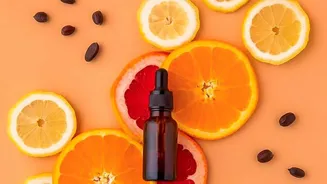
This is where vitamin C, or ascorbic acid, becomes a nutritional superhero. Non-heme iron is typically in a chemical state known as ferric (Fe³⁺), which our intestines struggle to absorb. Vitamin C works its magic by acting as a reducing agent, converting this iron into the much more soluble ferrous (Fe²⁺) form. This is the specific form that the transport proteins in our gut are designed to carry into our cells. Studies have shown that vitamin C is the most potent enhancer of non-heme iron absorption and can significantly increase it, in some cases by two to four times or even more, depending on the meal's composition. This effect is so significant that it can help overcome other dietary compounds that block iron absorption.
Beyond Just Oranges and Spinach
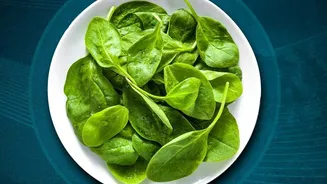
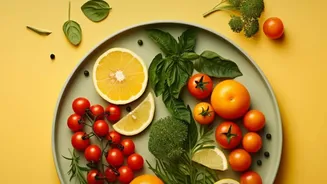
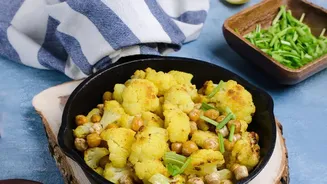
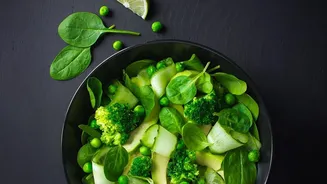
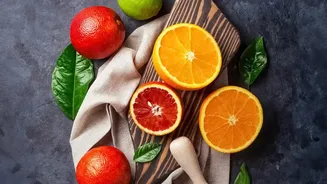
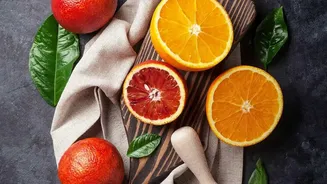
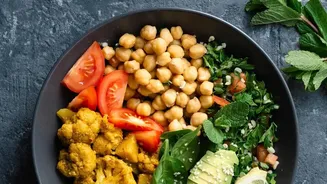
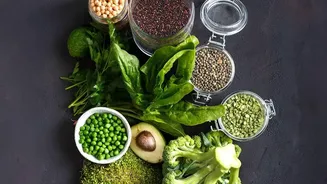
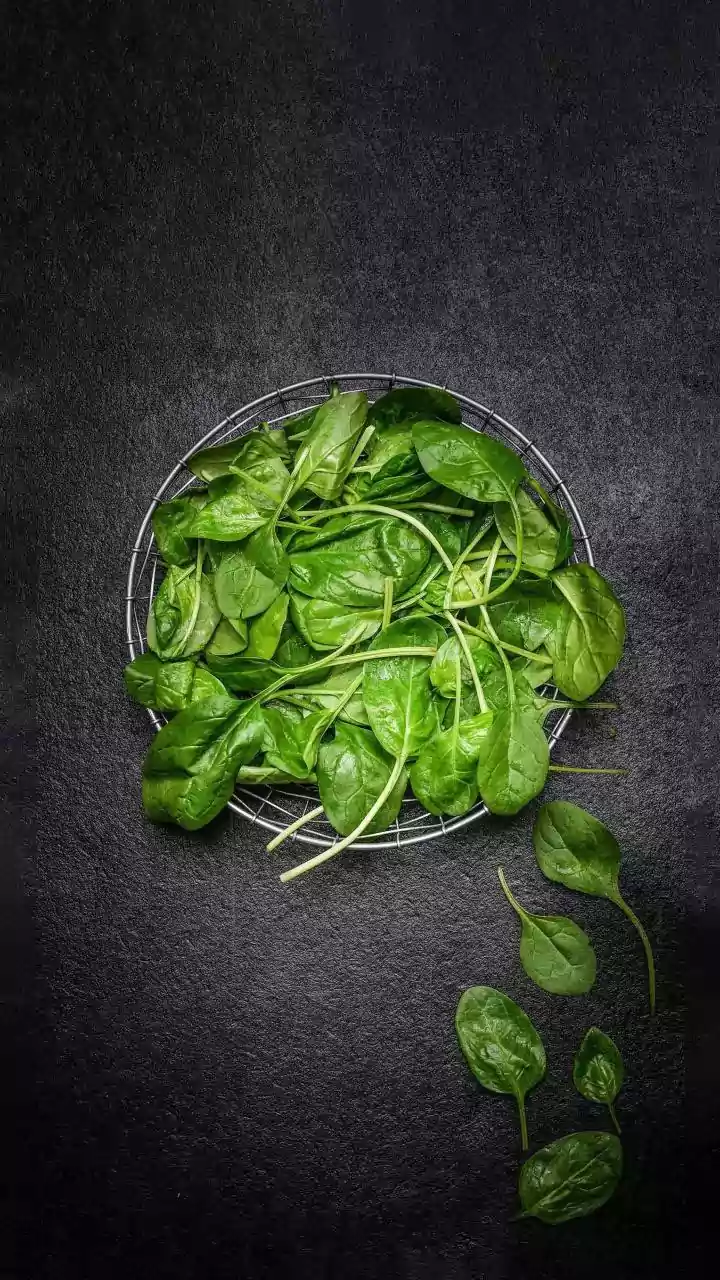
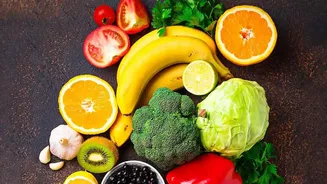
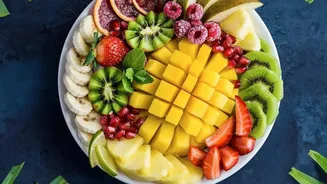
While the classic pairing of citrus and greens is a great starting point, the options are far broader and more delicious. The key is simply to combine a food high in non-heme iron with one rich in vitamin C in the same meal. Many foods are excellent sources of vitamin C beyond just citrus. Think bell peppers, strawberries, broccoli, kiwi, tomatoes, and even potatoes. Likewise, the world of plant-based iron extends well beyond spinach to include lentils, chickpeas, black beans, tofu, pumpkin seeds, and fortified cereals. By understanding the principle, you can get creative and find combinations that you love.
Smart Pairings for Your Plate
Putting this knowledge into practice can be simple and tasty. Consider these easy meal ideas that naturally pair iron with vitamin C: a hearty lentil soup finished with a generous squeeze of lemon juice; a tofu and broccoli stir-fry with red bell peppers; a large spinach salad topped with sliced strawberries and a citrus vinaigrette; or fortified oatmeal in the morning with a side of kiwi or orange slices. Even simple additions, like adding tomato chutney to a wheat-based meal, have been shown to boost iron uptake. The goal is to make these pairings a regular habit.
What to Keep Separate
Just as vitamin C enhances absorption, other compounds can inhibit it. It's wise to be mindful of these, especially during your iron-rich meals. The main culprits are polyphenols and tannins, found in coffee and tea, which can reduce iron absorption by up to 90% in some cases. Phytates, present in whole grains, nuts, and legumes, can also bind to iron and limit its availability. Additionally, calcium is a known inhibitor of both heme and non-heme iron. This doesn't mean you should avoid these foods, but it's strategic to consume your coffee, tea, or calcium supplements at least an hour or two apart from your main iron-focused meals to maximize absorption.