
From Ancient Ritual to Social Media Star
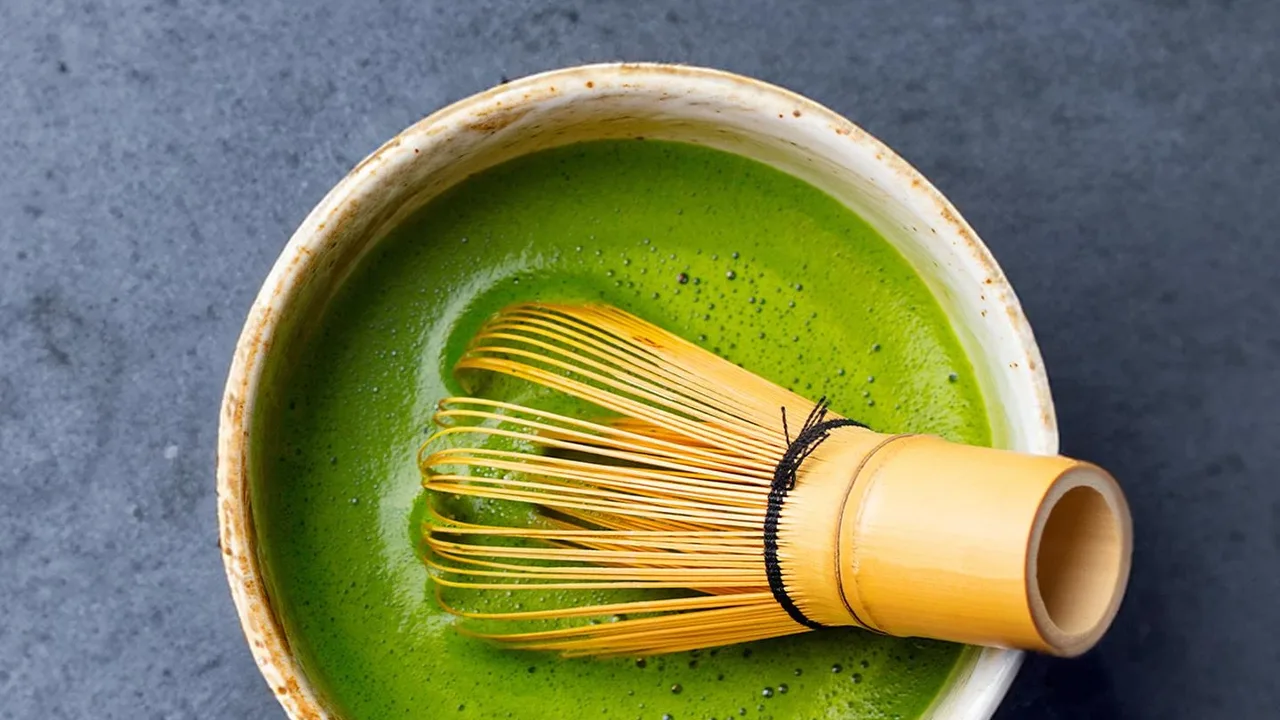
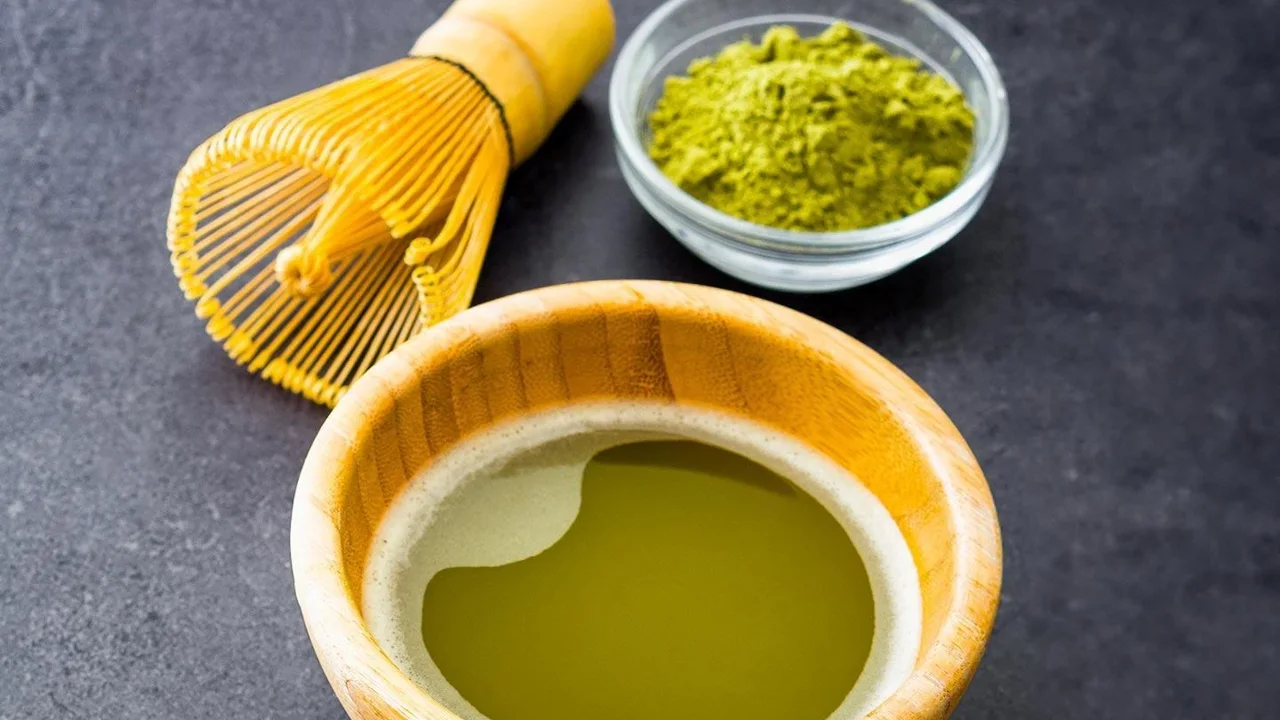
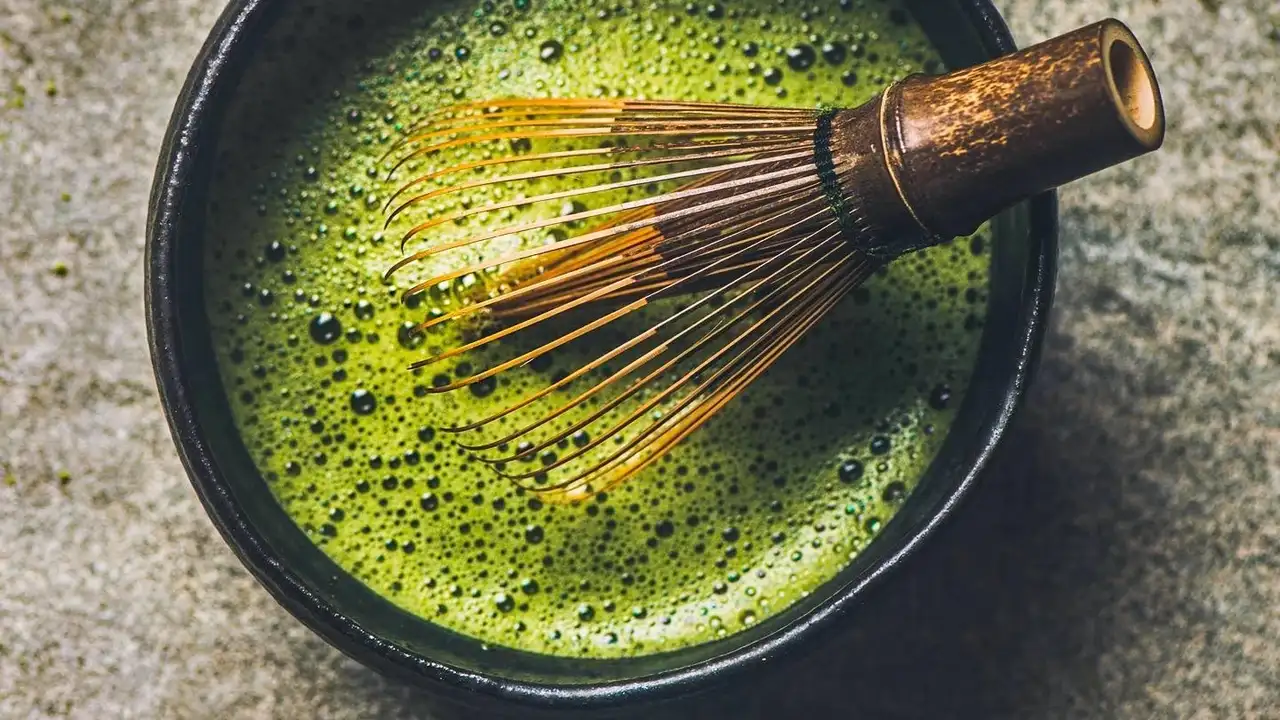
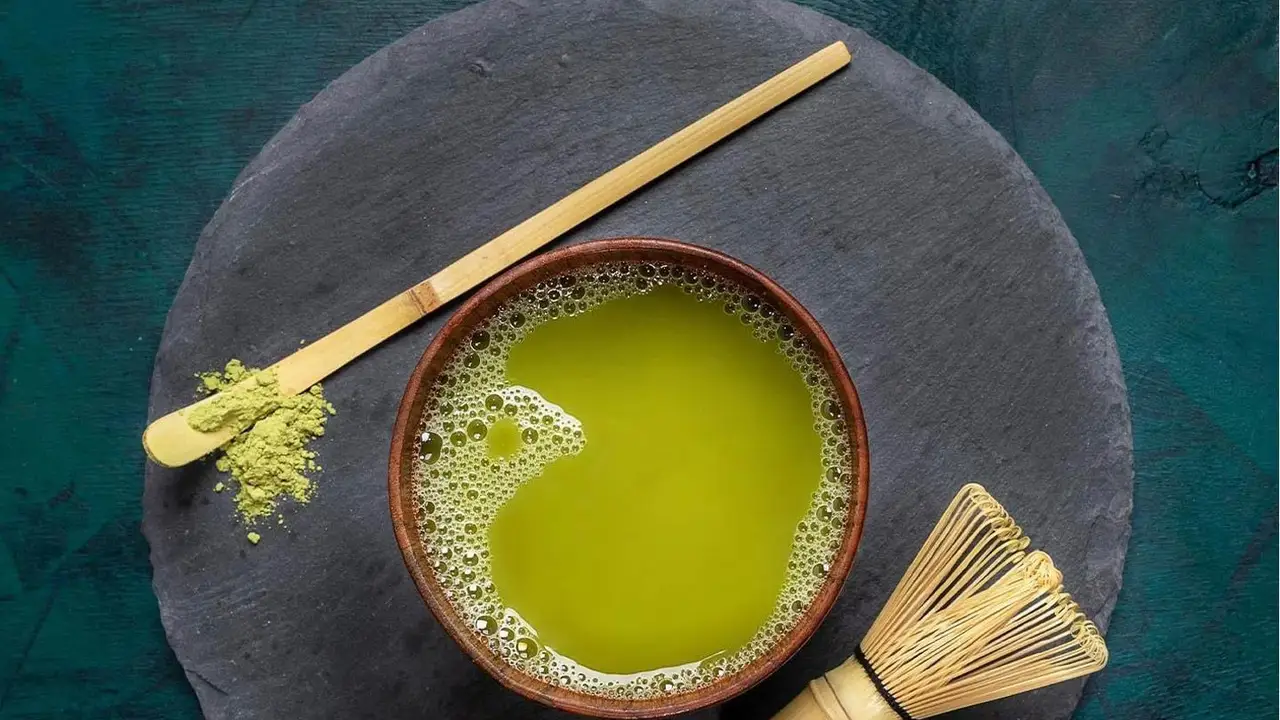
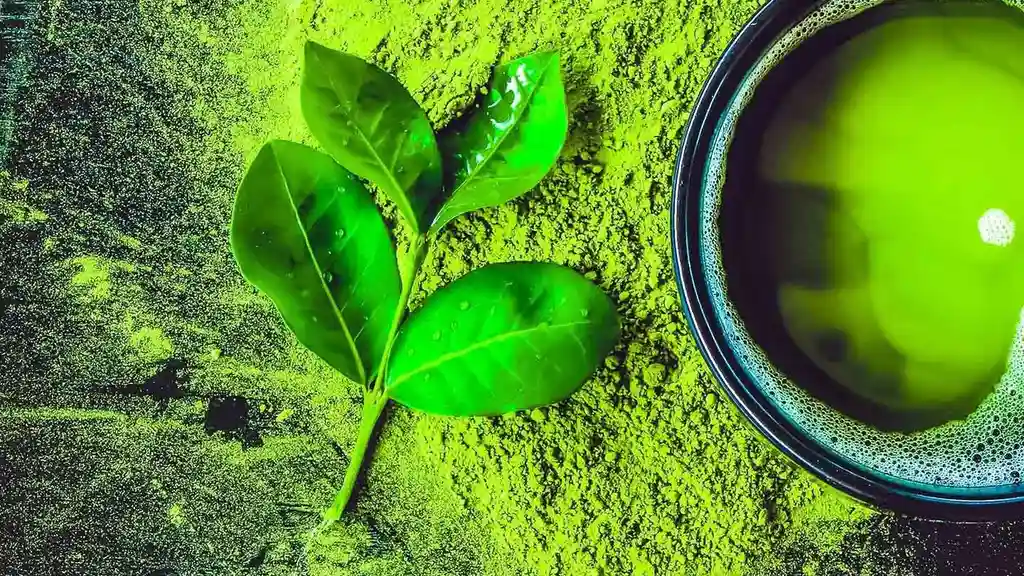
Matcha's journey from a ceremonial drink to a global food phenomenon is a story of cultural fusion and digital influence. Traditionally, this finely ground green tea powder was reserved for mindful preparation, celebrated for its complex flavour and connection
to Japanese heritage. Today, its appeal has broadened dramatically. The powder’s striking green colour makes it incredibly photogenic, a key ingredient for success in the age of Instagram and TikTok. This visual appeal, combined with a reputation as a wellness ingredient, has propelled matcha into the mainstream, where it's being embraced for its versatility far beyond the teacup. As a result, mentions of matcha on social media have surged, driving a creative explosion in kitchens and cafes worldwide.
The Sweet Takeover of Dessert Menus
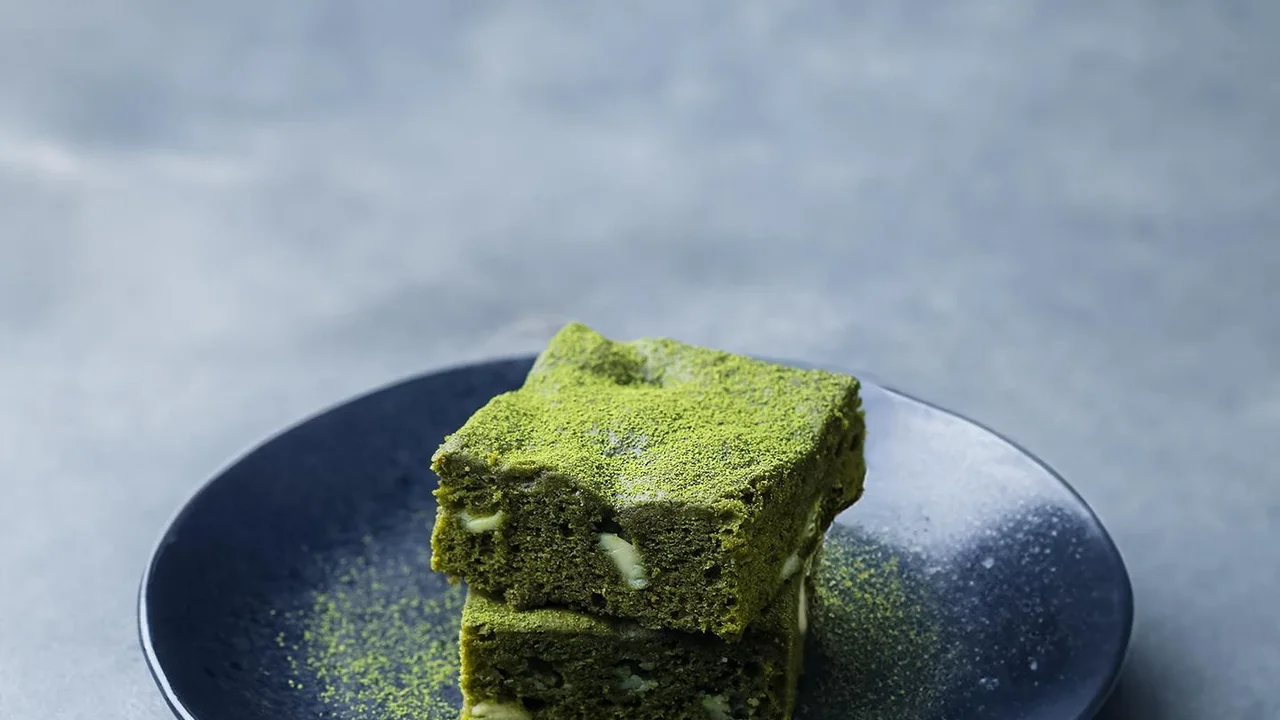
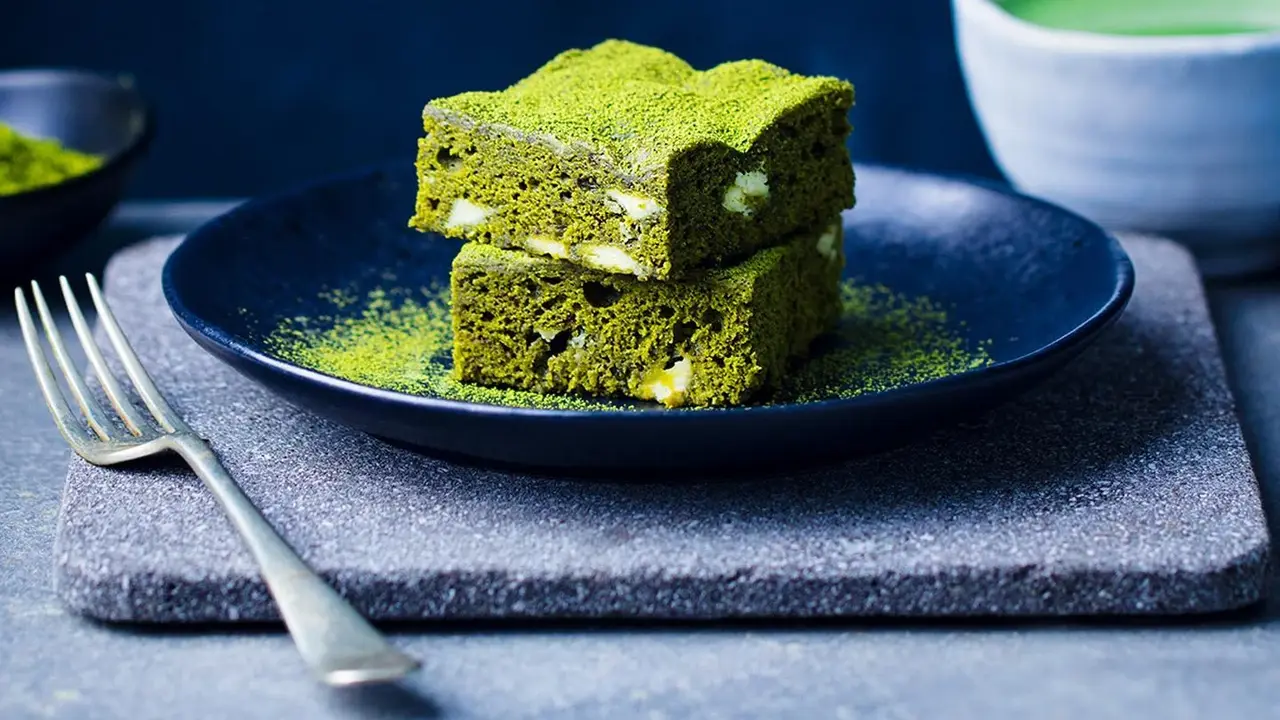
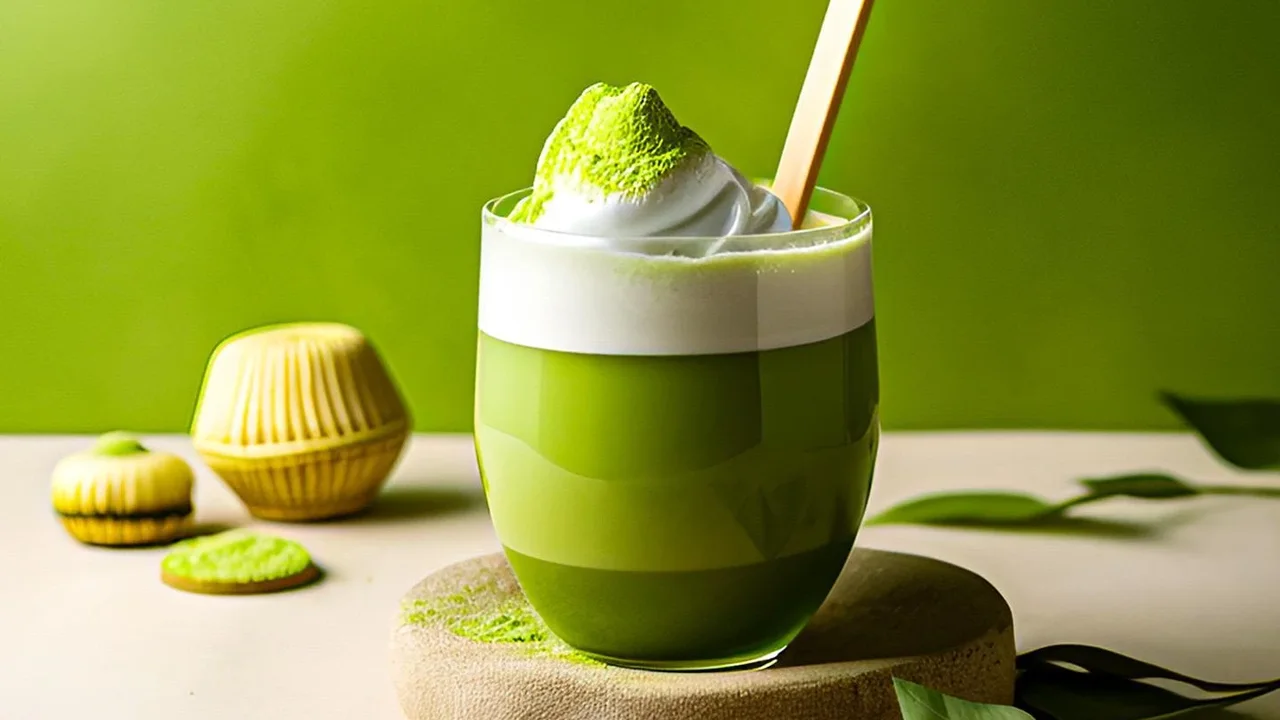
The most visible part of matcha's culinary rise is in desserts. Its unique flavour profile—earthy, slightly bitter, and with a touch of umami sweetness—provides a perfect counterpoint to rich and sugary ingredients. This balance is why it works so beautifully in viral recipes that have flooded social media feeds, such as matcha tiramisu, where it replaces the traditional espresso for an earthy twist on the Italian classic. You'll also find it in Basque cheesecakes, fluffy dot cakes, cookies, and ice creams, where it imparts both a sophisticated flavour and a stunning, all-natural green hue without artificial colouring. The powder’s ability to blend seamlessly into batters, doughs, and creams makes it a favourite among bakers looking to add a modern, flavourful edge to their creations.
A Beginner's Guide to Culinary Matcha
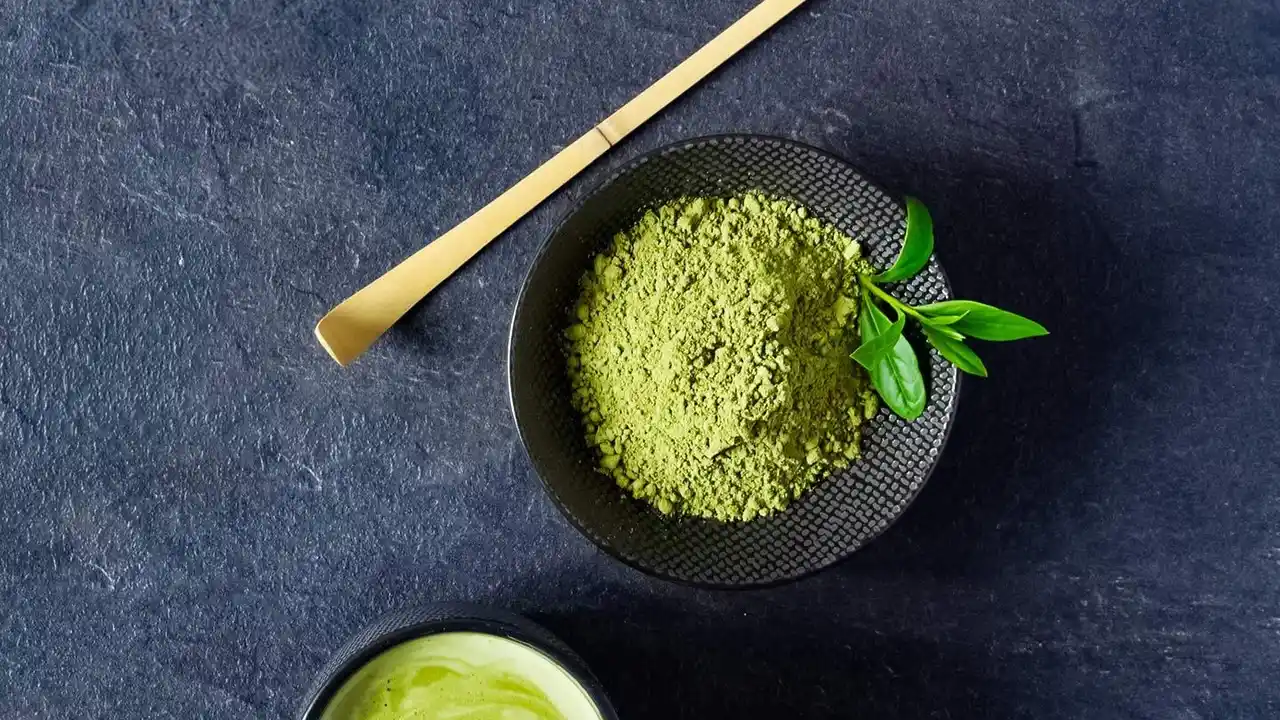
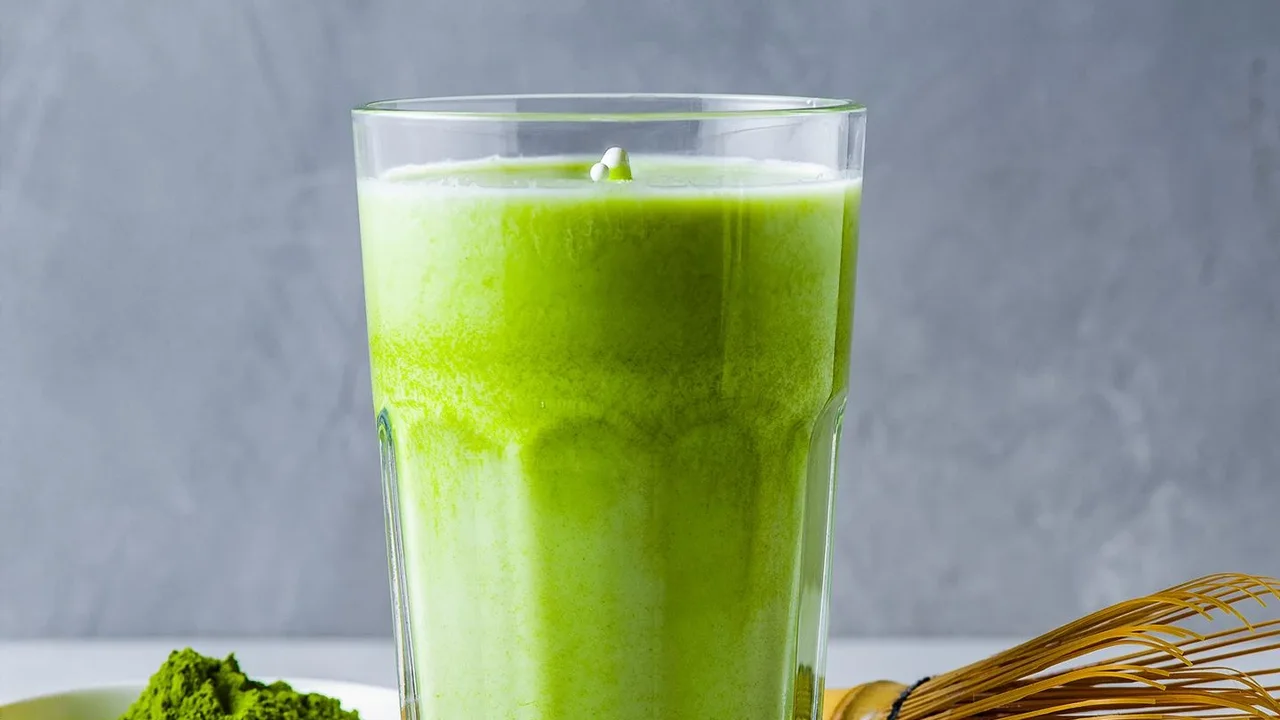
Not all matcha is created equal, and using the right kind is key to success in the kitchen. The two main categories you’ll encounter are ceremonial and culinary grade. Ceremonial grade is made from the youngest, most delicate leaves and is intended for drinking on its own with water. Its flavour is subtle and sweet. Using it in a cake would be like pouring a fine wine into a stew; its nuanced notes would be lost, and it's not cost-effective. Culinary grade matcha, on the other hand, is made from more mature leaves, giving it a more robust and slightly more bitter flavour designed to stand up to other ingredients like sugar, flour, and milk. This makes it the ideal choice for baking, lattes, and smoothies, ensuring the distinct matcha taste shines through in the final dish.
Beyond the Bakery: Savoury Surprises
While desserts may have popularised matcha in the kitchen, its culinary potential doesn't end there. Chefs and adventurous home cooks are increasingly using its umami-rich character to enhance savoury dishes. The powder can be mixed with salt to create a finishing seasoning for tempura or fries, or whisked into dressings for a new take on pasta salad. Some recipes have incorporated matcha into fresh pasta or gnocchi dough, pairing it with rich miso-butter sauces. It has also found its way into marinades for grilled chicken, where its earthy notes complement the smoky flavours, and even into creamy soups and homemade bread like naan. These applications show that matcha's ability to add depth and complexity extends across the entire palate.