


The Problem with Maida
Refined flour, or maida, is the foundation of many beloved snacks, from the crispy shell of a samosa to the flaky layers of mathri. However, the refining process strips wheat of its bran and germ, removing most of its fibre, vitamins, and minerals. What's
left is a starchy powder that offers little nutritional value. Maida has a high glycemic index, which can cause rapid spikes in blood sugar levels. A diet high in refined grains is often linked to digestive issues, weight gain, and other health concerns due to its lack of fibre and nutrients.
The Millet Advantage
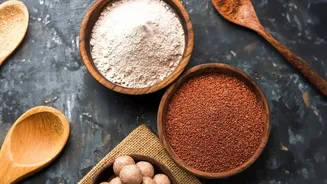
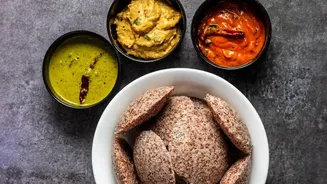
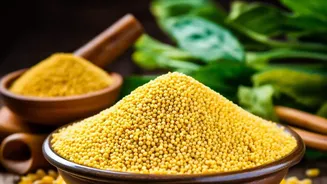
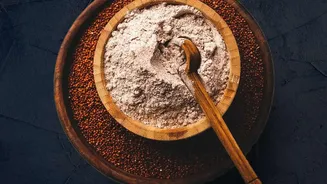
Millets, ancient grains like jowar (sorghum), bajra (pearl millet), and ragi (finger millet), are making a major comeback, and for good reason. Unlike refined flour, millets are whole grains packed with nutrients. They are rich in dietary fibre, which aids digestion and promotes a feeling of fullness. They are also a good source of protein, essential minerals like iron, magnesium, and calcium, and antioxidants. Most millets have a lower glycemic index, leading to a slower, more sustained release of energy. Plus, many are naturally gluten-free, making them an excellent choice for those with sensitivities.
Getting Started: A Simple Swapping Guide
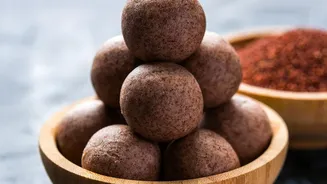
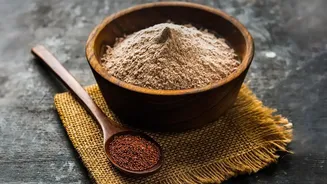
Making the switch from maida to millets doesn't have to be complicated. A good rule of thumb is to start by substituting 25-30% of the maida in a recipe with millet flour and gradually increasing the ratio as you get comfortable with the texture. For recipes that need binding, like a samosa crust, a blend of millet flour and whole wheat atta often works wonders. Jowar flour has a neutral taste, making it a versatile substitute in many recipes. Bajra offers a slightly nutty flavour that is excellent in savoury snacks, especially during winter months. Ragi adds an earthy flavour and a rich colour to baked goods.
Snack Upgrade: The Healthier Samosa
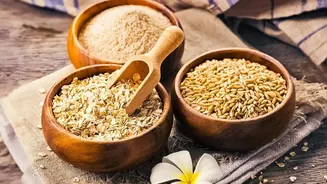
The quintessential Indian snack, the samosa, is defined by its crispy, golden crust. Traditionally made with maida, this outer layer can be easily upgraded. Try creating a dough using a mix of jowar flour and whole wheat flour. Some recipes even incorporate oat flour and other millet flours for a multi-grain approach. Knead the dough until pliable, rest it, and then roll it out to form your samosa cones. You can then fill them with the classic potato and pea mixture and either bake, air fry, or shallow fry for a less greasy finish. The result is a samosa that's higher in fibre and nutrients, with a satisfyingly rustic texture.
Snack Upgrade: Nutty and Crisp Mathri
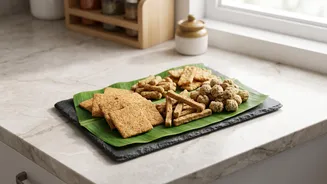
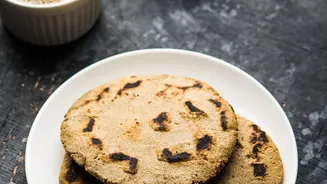
Mathri, a flaky, savoury biscuit, is another tea-time favourite that can benefit from a millet makeover. Jowar and bajra flours are fantastic substitutes here. To make a healthier mathri, combine jowar flour with a bit of besan (chickpea flour) or rice flour for added crispness. Season with traditional spices like ajwain (carom seeds) and kasuri methi (dried fenugreek leaves). Knead a stiff dough, roll it out, cut into desired shapes, and instead of deep-frying, try baking them. The baked version offers a delightful crunch without the excess oil, and the millet flour provides a richer, nuttier flavour profile.
Snack Upgrade: Crunchy Millet Chakli
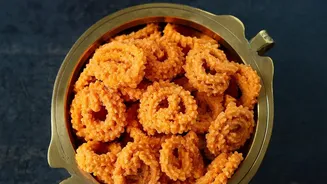
Chakli, or murukku, is a spiral-shaped, crunchy snack that's notoriously addictive. While often made with rice flour and gram flour, it can be made even more nutritious by incorporating millets. Using high-fibre flours like bajra or jowar can enhance its health benefits. The dough, spiced with sesame seeds and cumin, is extruded through a chakli press and then typically deep-fried. For a healthier alternative, these millet chaklis can be baked or air-fried until golden and crisp. This method significantly reduces the oil content while delivering that signature crunch, making it a smarter choice for festive snacking or everyday indulgence.