



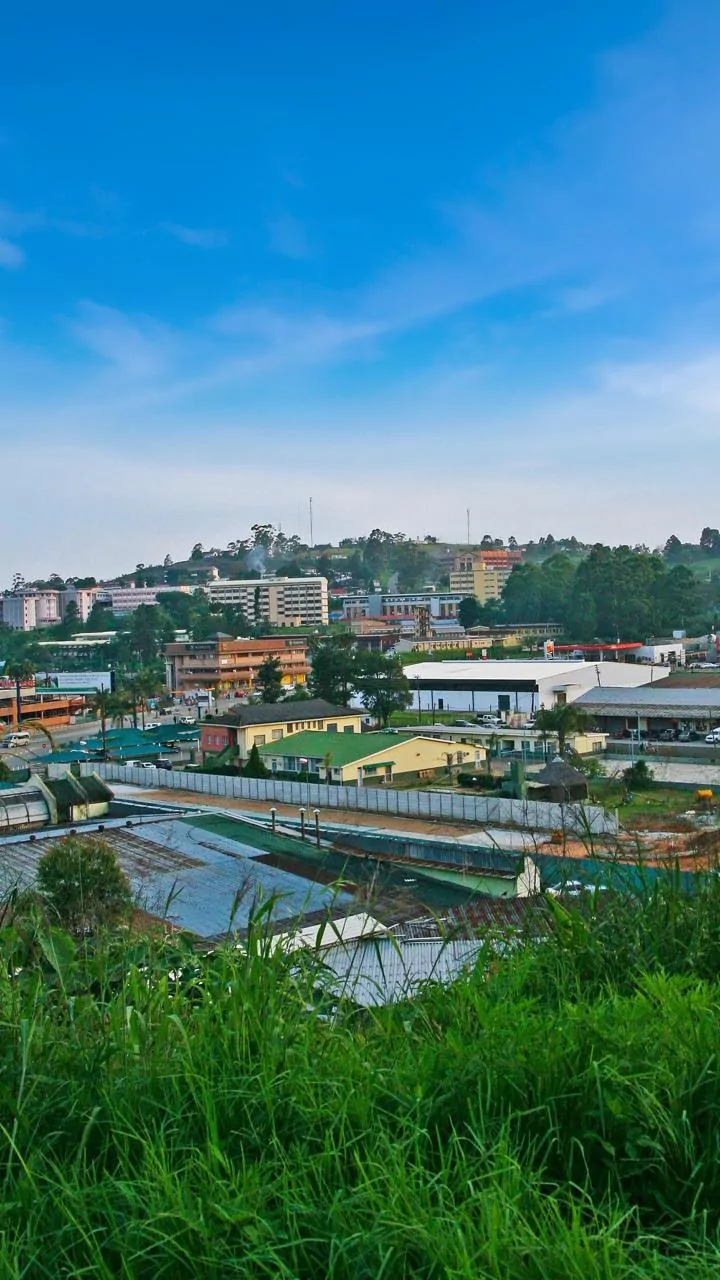



Lead with Quality of Life
The single biggest advantage smaller cities have over metros is a superior quality of life. For founders and talent alike, the appeal of less traffic, cleaner air, affordable housing, and proximity to family is a powerful draw. A recent study found that
over half of young professionals now prioritise these factors over a metro salary. Instead of just being a passive benefit, cities should actively market this. This means investing in and promoting green spaces, cultural events, safe communities, and recreational facilities. When talented individuals no longer have to choose between a great career and a great life, smaller cities win. It’s a foundational asset that makes all other efforts more effective.
Build a Hyper-Local Talent Pipeline
Waiting for talent to relocate from major hubs is a losing game. The smarter move is to cultivate it at home. Smaller cities should forge deep, strategic partnerships with local universities, engineering colleges, and vocational training institutes. This goes beyond generic MoUs. It means creating joint programs, curriculum co-design, and city-sponsored internship schemes that feed directly into local startups. Government initiatives like the Technology Incubation and Development of Entrepreneurs (TIDE) 2.0 scheme are designed to support exactly this kind of collaboration. By turning local educational institutions into engines of the startup ecosystem, cities can ensure a steady supply of skilled, affordable talent that is already invested in the community.
Develop Niche Sector Expertise
Trying to be the next Silicon Valley is a recipe for failure. Instead, smaller cities should identify and double down on a unique specialisation. A city in an agricultural belt could become a powerhouse for AgriTech innovation. A town with a strong manufacturing base could focus on industrial automation and IoT. For example, cities like Jaipur and Coimbatore are carving out distinct identities in areas from FinTech to advanced manufacturing. This focus attracts a specific type of founder, talent, and investor who is looking for deep expertise. It also allows the city to concentrate its resources—be it policy support or infrastructure—to build a world-class ecosystem in one or two key areas rather than being average in many.
Engineer Serendipity and Support
A startup ecosystem is more than just a collection of companies; it's a community. City leaders and private players must actively foster a 'founder-first' culture. This means creating spaces—both physical and virtual—where entrepreneurs, mentors, and investors can connect. This could involve supporting co-working spaces, hosting regular networking events, and establishing local mentorship networks. Furthermore, local governments can streamline bureaucracy, making it easier to start and operate a business. The goal is to build a supportive environment where founders feel they are not alone and can easily access advice, partnerships, and peer support.
Actively Bridge the Capital Gap
While venture capital is becoming more geographically diverse, most funds remain concentrated in major metros. Smaller cities cannot simply wait for investors to show up; they must actively build bridges to capital. This involves creating local angel investor networks and educating high-net-worth individuals in the community about the opportunities in startup investing. City administrations can partner with government schemes like the Startup India Seed Fund Scheme (SISFS) and the Fund of Funds for Startups (FFS) to bring capital to local entrepreneurs. Organising reverse pitch sessions, where startups from the city travel to present to VCs in Mumbai or Delhi, can also be effective. The key is to be proactive in showcasing local innovation to the wider investment community.