





Why Weather Is Your First Commandment
Planning a wildlife trip in India starts with a long look at the calendar. The single biggest factor determining your access to a park is the monsoon. Most national parks, especially the famous tiger reserves in North and Central India like Ranthambore,
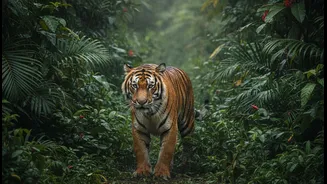
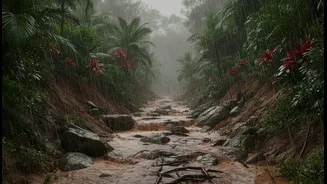
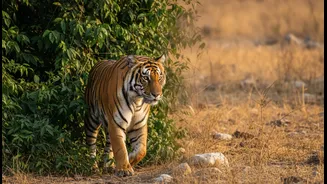
Corbett, Kanha, and Bandhavgarh, close their core areas during the rainy season. This closure, typically from July to September or October, is essential for two reasons: the unpaved tracks become slushy and unsafe for safari vehicles, and it's a crucial, undisturbed breeding season for many species. While some parks keep their peripheral 'buffer' zones open year-round, the prime wildlife action is often in the core areas that reopen post-monsoon, usually around October. Weather also dictates animal behaviour. The scorching summer months of April to June might be uncomfortable for tourists, but they are often the best for tiger sightings. The intense heat drives animals to the few remaining waterholes, making them easier to spot. Conversely, the pleasant winter months from November to February offer comfortable safari conditions and excellent visibility through thinned-out foliage, but animals are more dispersed.
Decoding the Safari Zone Puzzle
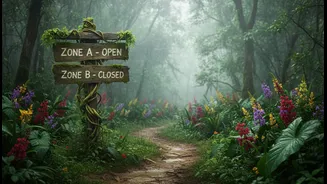
Arriving at a national park is not a free-for-all. To manage tourism and minimise ecological impact, large parks are divided into multiple safari zones, and your permit is valid for only one specific zone per safari. This is a critical detail many first-time visitors miss. These zones are not created equal. 'Core zones' are the heart of the park, with the highest density of wildlife and the best habitats, offering a greater chance of sightings. 'Buffer zones' are on the periphery, areas where human settlement and forest coexist. While wildlife is certainly present, the density is generally lower. For example, at Ranthambore National Park, zones 1 to 5 are widely considered premium core areas, while zones 6 to 10 are buffer zones that often remain open during the monsoon. Similarly, Jim Corbett National Park has distinct zones like Dhikala, Bijrani, and Jhirna, each with a different landscape and season. The most coveted zones get booked out months in advance, so last-minute planners often find themselves with permits for only the buffer areas, which can lead to disappointment if their primary goal was a tiger sighting.
Timing is Everything: Your Sighting Strategy
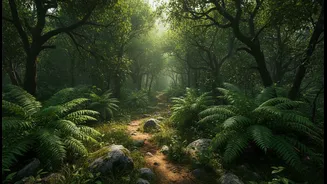
Your choice of season should align with what you hope to see. For tiger enthusiasts, the pre-summer and summer months (March to June) are often considered the best. The forest is dry, foliage is sparse, and tigers are predictably found near water sources. For birdwatchers, the winter months are paradise. Parks like Keoladeo National Park in Bharatpur see a massive influx of migratory birds, and the pleasant weather makes for comfortable, long hours of observation. The post-monsoon period, from October to January, presents a different appeal. The entire forest is washed clean and dazzlingly green, offering stunning landscapes for photography. While the lush vegetation can make spotting animals slightly more challenging, the overall experience of a rejuvenated jungle is magical in itself. For unique experiences, consider parks in different regions. Kaziranga in Assam, home to the one-horned rhinoceros, has its own weather patterns and closes for the monsoon around May or June. Parks in Southern India, like Nagarhole and Bandipur, may remain open year-round, but sightings can be tough during the heavy rains.
A Practical Planning Checklist
To avoid common pitfalls, a structured approach is best. First, decide on your primary goal—be it tigers, birds, or simply the landscape—and choose a park that excels in that area. Next, research the park’s specific opening and closing dates for the year you plan to travel. Remember that most core zones shut down around late June or early July and reopen in October. Once you have your dates, the most critical step is to book your safari permits online, well in advance. Popular zones in parks like Ranthambore and Corbett can be fully booked 90-120 days ahead. Only after you have confirmed safari permits for your desired zones should you book your accommodation and travel. Choosing a hotel near your designated safari gate will save you precious time and hassle on the day of your safari. Always carry a printout of your permit and the original photo ID used for the booking, as this is mandatory for entry.