




The desire for international travel is surging, yet a growing number of would-be tourists and business travellers are finding their plans grounded before they even take off. A major new survey from IATA quantifies this frustration.
A Growing Barrier to Travel
According to the International
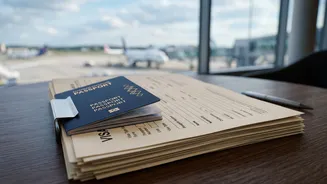
Air Transport Association's (IATA) 2026 Global Passenger Survey, a staggering 43% of travellers have been discouraged from visiting a destination specifically because of its immigration requirements. This marks a significant jump from 33% in 2025, highlighting that visa and entry rules are becoming a more critical factor in travel planning. The survey, which gathered responses from over 10,000 travellers across more than 200 countries, paints a clear picture: while technology like biometrics and AI is making parts of travel smoother, government red tape is creating a formidable bottleneck. For many, the dream of a foreign trip is dimming not due to a lack of desire, but because of the bureaucratic hurdles involved.
Complexity, Not Cost, is the Main Culprit
The survey digs deeper into what exactly is deterring travellers. It's not just about the money. Among those who abandoned their travel plans due to entry rules, a majority (53%) pointed to the sheer complexity of the process. In comparison, concerns about cost and data privacy were cited by only 17% each. This suggests the primary frustration lies with confusing application forms, uncertain processing times, and a lack of clear guidance. This is a paradox in an era where passengers are increasingly comfortable with technology. While travellers are eager to use AI to plan trips and biometrics to speed through airports, they are being held back by often archaic and convoluted visa procedures.
Travellers Demand a Digital Solution
The frustration with current systems is matched by a strong demand for digital alternatives. An overwhelming 86% of passengers indicated they would be willing to share their immigration information digitally before departure to speed up the process. Furthermore, 60% of travellers now say they prefer to apply for a visa online, compared to just 25% who would rather go to an embassy or consulate in person. This reflects a broader shift in consumer expectations. People accustomed to seamless digital experiences in banking, shopping, and entertainment are now expecting the same convenience from governments. The message from the flying public is clear: they want to complete necessary formalities from the comfort of their homes, long before they get to the airport.
The Industry's Push for 'Smarter Borders'
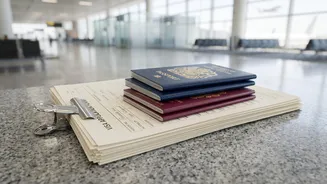
In response to these findings, IATA is urging governments worldwide to modernize their approach. Nick Careen, IATA's Senior Vice President, stressed that while the technology for a smoother experience exists, a lack of consistent standards holds back progress. The organization is advocating for the simplification of entry requirements and the accelerated adoption of secure digital travel credentials, such as e-visas and Digital Travel Credentials (DTCs). More than 100 countries already issue e-visas, but inconsistencies in how they are verified create ongoing problems for airlines and passengers. The goal is to create 'smarter borders' that maintain high security levels without creating unnecessary friction for legitimate travellers, ultimately benefiting both national economies and the global desire for connection.