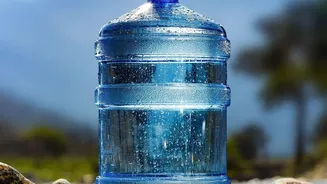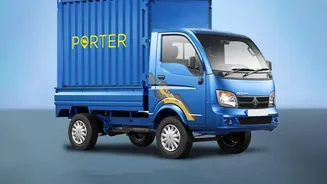







The morning delivery of a 20-litre water can is a familiar sight in cities across India. What was once a travel accessory has become a daily necessity, creating a massive industry built on a fundamental gap in public infrastructure.
The Deep Distrust in Tap Water
The primary reason
for this dependency is a widespread lack of faith in municipal tap water. Reports from the Bureau of Indian Standards (BIS) have frequently highlighted that tap water in many major cities fails to meet safety standards. Contamination can occur at the source or within ageing and poorly maintained distribution networks, leading to the presence of harmful bacteria, viruses, and chemical pollutants. Faced with inconsistent quality and the risk of waterborne diseases, which affect millions of Indians annually, households and businesses have turned to what they perceive as a safer alternative: packaged water. This has effectively turned a basic utility into a consumer product.
An Industry Built on Necessity
This trust deficit has fuelled a booming packaged water market in India, valued in the billions of dollars and projected to grow steadily. The market is vast, ranging from large, established brands to a sprawling network of unorganised, local suppliers. The 20-litre reusable can, introduced in the 1990s, was a game-changer, moving packaged water from an individual 'on-the-go' purchase to a bulk commodity for homes and offices. For millions, the monthly expense on these water cans has become a non-negotiable part of the household budget, an accepted cost for securing what the tap often fails to provide.
Convenience, with Hidden Costs
While convenient, this reliance comes with significant health and environmental costs. The unorganised sector, which forms a large part of the market, often operates with little oversight, leading to concerns about the quality and purity of the water being sold. Even with regulated brands, health questions persist. The plastic cans themselves, often made of Polycarbonate, can leach chemicals like Bisphenol A (BPA) into the water, especially when exposed to heat during transport or storage. Studies have also found the presence of microplastics in bottled water from various brands in India, an emerging contaminant with yet-unknown long-term health effects.
Navigating a Complex Regulatory Landscape
Regulating this massive industry is a challenge. The Food Safety and Standards Authority of India (FSSAI) oversees the sector, classifying packaged water as a 'high-risk' food product requiring stringent checks. In a major shift, mandatory BIS certification for packaged water was removed in late 2024, replaced by a compulsory FSSAI testing scheme that came into effect in early 2026. However, enforcement remains a critical issue. Recent findings in several states revealed that a significant number of samples from packaged water units were unsafe or substandard, highlighting the gap between regulation and on-ground reality.
The Environmental Footprint
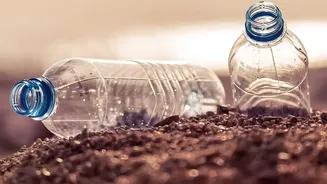
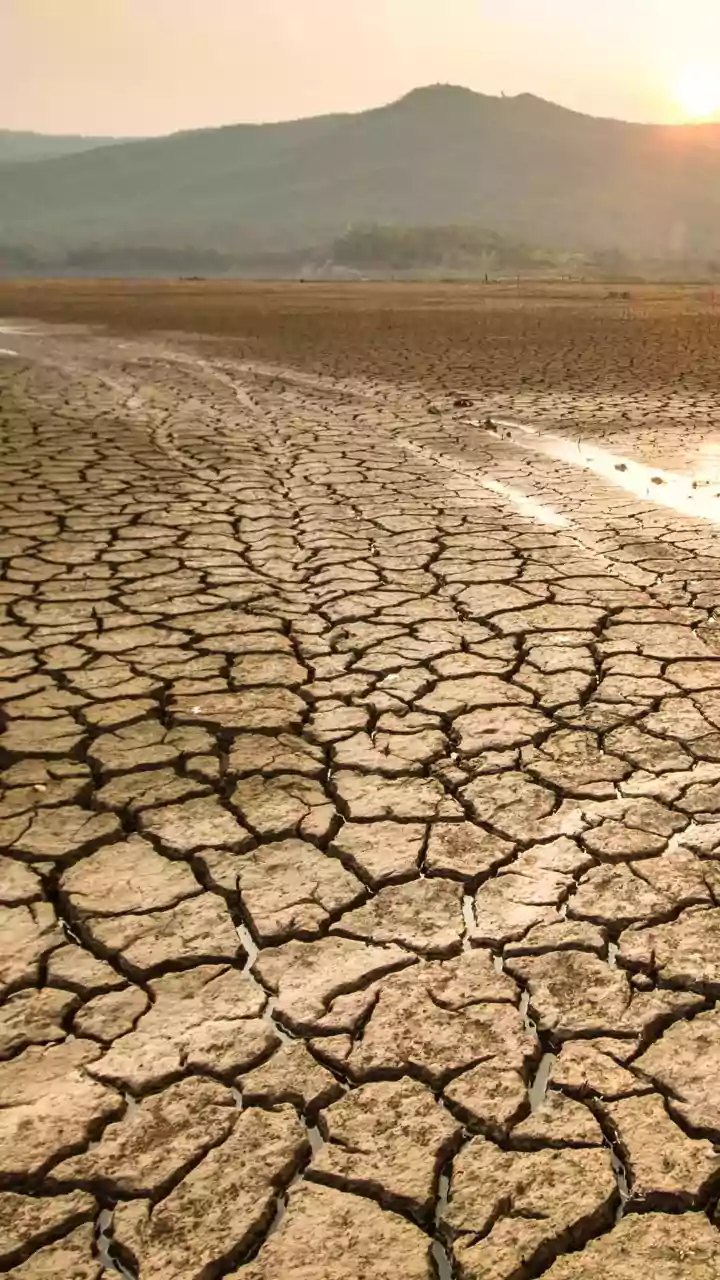
The environmental toll of this dependency is staggering. The production of PET plastic for bottles is energy-intensive and relies on fossil fuels. While the large 20-litre cans are reused, their lifecycle eventually ends, contributing to the nation's plastic waste crisis. Furthermore, the industry places immense pressure on groundwater resources, as many bottling plants extract large quantities of water, sometimes leading to local shortages and environmental conflicts. Studies have shown that the water footprint of producing one litre of bottled water can be many times more than the water in the bottle itself.