



The Science of a Sunny Escape
So, what exactly is a 'rain shadow pocket'? The term sounds technical, but the concept is simple and is the very reason Ladakh becomes a travel hotspot from June to September. The mighty Himalayas act as a colossal barrier, blocking the moisture-laden
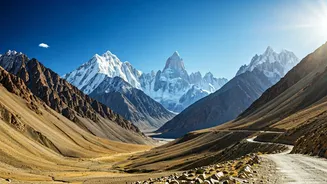
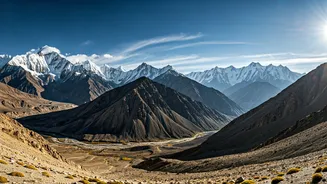
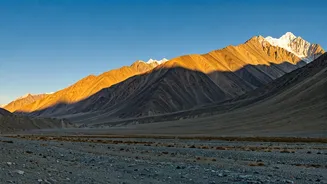
monsoon clouds that sweep in from the south. While the rest of the country experiences heavy downpours, these clouds are unable to cross the towering peaks. As a result, the land on the other side—Ladakh—receives very little rainfall, leaving it arid, sunny, and perfect for exploration. This unique geographical phenomenon transforms the region into a high-altitude cold desert, offering clear blue skies and breathtakingly sharp landscapes at a time when other mountain destinations are clouded over and prone to landslides.
Why This Window is Golden
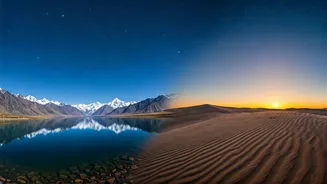
For travellers, this translates into a golden opportunity. The summer-monsoon months are arguably the best time to visit Ladakh. The harsh winter snow has melted, opening up crucial high-altitude passes like Khardung La and Chang La. This access unlocks the region's most iconic sights, from the otherworldly blue of Pangong Tso to the dunes of the Nubra Valley. Daytime temperatures are pleasant, ranging from 15°C to 25°C, ideal for sightseeing, monastery visits, and even trekking. The landscape, free from the haze of winter or the wash of rain, is at its most vivid. The stark, barren mountains contrast dramatically with the deep blue sky, creating photographic opportunities at every turn. It’s a season of vibrant local festivals, too, adding a rich cultural layer to your trip.
The Rush to the Roof of the World
The secret is officially out. In recent years, an increasing number of domestic travellers, weary of the humid, rain-soaked plains, have discovered Ladakh as their monsoon sanctuary. This growing awareness, amplified by stunning visuals on social media platforms, has created a significant spike in demand. Airlines operating flights to Leh’s Kushok Bakula Rimpochee Airport have noted that seats are being booked weeks, and sometimes months, in advance. This isn't just about early birds; it's a genuine rush. Waiting until the last minute will likely result in either exorbitantly high fares or no availability at all. The limited number of daily flights into the high-altitude airport means capacity is finite, making prompt action essential.
How to Secure Your Spot
If Ladakh is on your mind, treating this as an urgent matter is key. Start by checking flight aggregator websites to compare prices across different airlines like IndiGo, Vistara, and SpiceJet. Be flexible with your dates if possible; flying mid-week is often cheaper than on weekends. A good strategy is to book your flights at least 6-8 weeks in advance for the best fares. Once your flights are sorted, move on to accommodation. Hotels and guesthouses in popular areas like Leh, and even in more remote locations like Nubra and Pangong, also get booked out quickly during this peak season. Booking your stay along with your flights is a wise move to avoid disappointment.
Don't Forget to Acclimatise
Booking your trip is only the first step; preparing for the altitude is just as critical. Leh is situated at an elevation of over 11,500 feet. Flying in from sea level puts your body under significant stress. The most important rule of any Ladakh trip is to acclimatise properly. Upon arrival in Leh, you must rest for a minimum of 24 to 48 hours. This means no strenuous activity, no immediate trips to high-altitude passes. Just relax, walk slowly, and drink plenty of water. This simple precaution helps your body adjust to the lower oxygen levels and significantly reduces the risk of Acute Mountain Sickness (AMS), a serious condition that can ruin your trip. Listen to your body and take it slow—the mountains aren't going anywhere.
A Quick Packing Guide
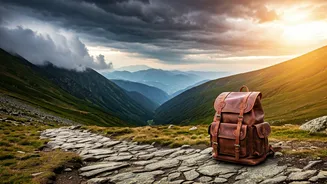
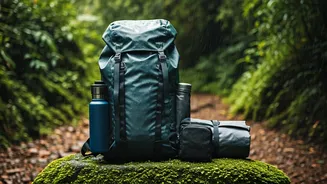
Packing for a high-altitude desert requires some thought. The sun can be deceptively strong, while evenings can get chilly. The key is to pack layers. Think t-shirts, a fleece jacket, and a windproof or down jacket. A good pair of sunglasses, a wide-brimmed hat, and high-SPF sunscreen are non-negotiable to protect against the intense UV radiation. Comfortable walking shoes are a must. Also, carry a basic medical kit with medications for headache, nausea, and any personal prescriptions. While ATMs are available in Leh, they can be unreliable, so carrying sufficient cash, especially for trips to more remote areas, is highly recommended.