



The Science of Staying Cool
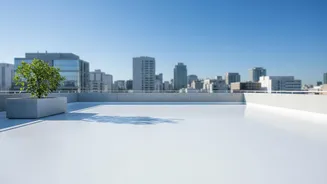
At its core, a cool roof works on a simple principle: reflecting sunlight. Think of it as choosing a white shirt over a black one on a hot day. Traditional dark-coloured roofs absorb a huge amount of solar radiation, heating up and transferring that heat into
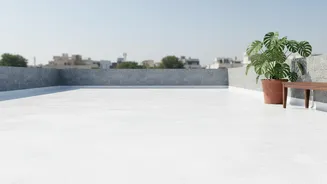
the building below. A standard dark roof can get intensely hot, sometimes reaching temperatures 50°C higher than the surrounding air. Cool-roof coatings are specially engineered paints and membranes that have high solar reflectance and high thermal emittance. This means they reflect a majority of the sun's rays back into the atmosphere and also efficiently radiate away the small amount of heat they do absorb. Made from materials like acrylics or silicone mixed with reflective pigments, these coatings create a barrier that keeps your terrace—and your home—significantly cooler.
A Noticeable Drop in Temperature
The primary benefit of a cool roof is a tangible reduction in indoor temperatures. Studies and real-world pilot projects across Indian cities have consistently shown that a reflective coating can lower surface temperatures on the roof by as much as 20°C. This translates to a drop in indoor ambient temperatures of between 2°C and 5°C, a significant difference during a peak summer afternoon. In homes without air conditioning, this can be the difference between a liveable space and an unbearable one. For those with ACs, the cooling system doesn't have to work as hard, leading to immediate energy savings. This effect is especially crucial for people living in top-floor apartments or homes with concrete roofs, which are notorious for trapping and retaining heat.
An Investment That Pays for Itself
The word "affordable" is key to the appeal of cool roofs. While it's an upfront investment, the returns are often quick and substantial. The primary saving comes from reduced electricity bills. With less reliance on air conditioners and fans, households can see their cooling costs drop by 15% to 30%. Over a few summer seasons, these savings can easily cover the initial cost of the application. Furthermore, by reflecting harsh UV radiation, these coatings also protect the roof structure itself from thermal stress and degradation, potentially extending its lifespan and reducing long-term maintenance costs. This makes it not just an expense, but a smart investment in your property's comfort and durability.
Pioneering Policies in Indian Cities
The benefits of cool roofs extend beyond individual homes. When adopted on a large scale, they can help combat the Urban Heat Island (UHI) effect, where dense cities become significantly hotter than surrounding rural areas. Recognizing this, several Indian states and cities are actively promoting cool roofs. Telangana became the first state to launch a comprehensive Cool Roof Policy in 2023, mandating them for various new constructions and setting a target to cover 300 square kilometres by 2028. Cities like Ahmedabad have also been pioneers, launching initiatives to install cool roofs on thousands of low-income homes and government buildings after a devastating 2010 heatwave. These programmes demonstrate a growing understanding that this technology is a vital tool for building climate resilience.
What to Consider Before Application
If you're considering a cool-roof coating, a few practical points are worth noting. Proper surface preparation is critical for the coating to be effective and long-lasting. The terrace must be thoroughly cleaned of dirt, dust, and any loose material before application. While some may opt for a DIY approach, professional application is often recommended to ensure an even coat and proper sealing. It’s also important to choose a product with a high Solar Reflectance Index (SRI), which measures its ability to reflect solar energy. Maintenance is relatively simple and usually involves periodic cleaning to ensure dust and grime don't compromise the roof's reflectivity.