





The Humble Bottle Gourd (Lauki)
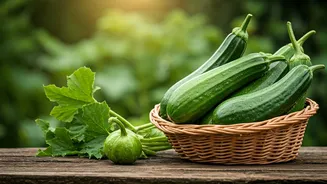
Perhaps no vegetable screams 'comfort food' quite like lauki, or bottle gourd. Often unfairly labelled as bland, its true genius lies in its subtlety and versatility. During the monsoon, when our digestive systems can be sluggish, lauki is a godsend.
Composed of over 90% water and packed with fibre, it's incredibly light on the stomach and easy to digest. Its delicate, almost neutral flavour makes it a perfect canvas for a variety of spices and preparations. From the simple, wholesome lauki chana dal and comforting lauki ki sabzi to the surprisingly decadent lauki ka halwa, this gourd absorbs flavours beautifully. It can be grated into koftas, blended into soups, or even juiced for a hydrating start to the day. Its return to the market signals a shift towards gentler, more nourishing meals that align with the pensive mood of a rainy afternoon.
The Misunderstood Bitter Gourd (Karela)
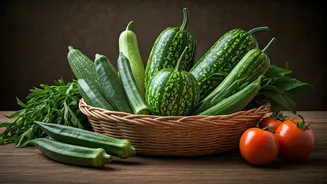
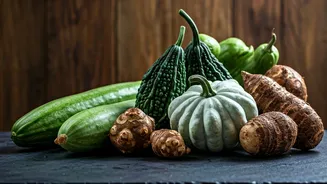
Bitter gourd, or karela, is the non-conformist of the gourd family. It’s a vegetable that people either passionately love or vehemently dislike, with very little middle ground. Yet, its popularity soars during the rainy season for good reason. Ayurveda and traditional home wisdom champion karela for its medicinal properties. It's renowned for its ability to regulate blood sugar levels, purify the blood, and boost immunity—all particularly beneficial when the monsoon brings a wave of seasonal infections. The challenge, of course, is its potent bitterness. Indian culinary traditions have masterfully tackled this, with techniques like salting and squeezing the gourd before cooking, or pairing it with strong, balancing flavours like tamarind, jaggery, or onions. Whether it's stuffed with a spicy masala mix to make bharwa karela or thinly sliced and fried to a crisp, a well-made karela dish is a testament to the sophistication of Indian home cooking.
The Tender Ridge Gourd (Tori/Turai)
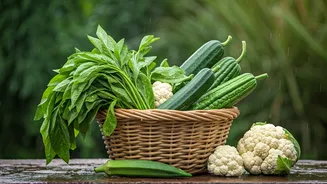
If lauki is the comforting base, ridge gourd (tori or turai) is its slightly more textured and flavourful cousin. Recognisable by its sharp, dark green ridges, this gourd has a soft, spongy flesh that becomes wonderfully tender when cooked. Like other monsoon vegetables, tori is high in water content and dietary fibre, making it an excellent choice for digestive health. It's also a rich source of Vitamin C and zinc, helping to fortify the body's defences against common colds and coughs prevalent during this season. Its inherent sweetness comes alive in simple preparations. A quick stir-fry with minimal spices, a classic tori ki sabzi with tomatoes and onions, or cooked with lentils in a dal—these are the dishes that define rainy day lunches in many Indian households. It cooks quickly and requires very little fuss, making it a reliable staple for busy weeknights.
The Prized Pointed Gourd (Parwal)
Pointed gourd, known as parwal in Hindi and potol in Bengali, is often considered the 'king' of gourds. It's slightly more expensive and prized for its firm texture and distinct, delicate flavour. Unlike the softer gourds, parwal holds its shape well during cooking, making it ideal for more elaborate dishes. It is rich in vitamins A and C, and its seeds are valued for aiding digestion. During the monsoon, it features prominently in festive meals and everyday cooking alike. In Bengal, dishes like potoler dolma (stuffed pointed gourd) are legendary. Elsewhere, it’s fried and curried (aloo parwal), or added to rich gravies. Its ability to be both a simple side dish and the star of a complex preparation makes it one of the most respected vegetables in the Indian culinary repertoire, and its peak season during the rains is eagerly awaited.
Why Gourds Rule the Monsoon
The dominance of gourds during the rainy season is no coincidence; it's a perfect blend of agricultural cycles and traditional wisdom. These vegetables thrive in the humid, wet conditions of the monsoon, making them freshly and widely available. From a health perspective, their high water and fibre content, coupled with their easy digestibility, make them ideal for a season when digestion is naturally weaker and water-borne illnesses are a concern. They are inherently cooling, helping to balance the body's 'pitta' or heat, according to Ayurvedic principles. They are low in calories but nutrient-dense, providing essential vitamins and minerals to bolster immunity when we need it most. Eating these seasonal gourds is a way of harmonising our bodies with the rhythm of nature.