








The Fear of Filing Final
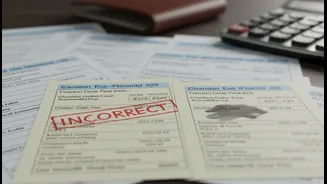
For many, hitting the 'submit' button on an income tax return (ITR) feels unnervingly final. The dread of having missed a source of income, claimed an incorrect deduction, or simply made a typo is real. Common mistakes range from incorrect personal information
and choosing the wrong ITR form to not disclosing all income sources, like interest from a savings account. In the past, rectifying these could be a cumbersome process, often leading to notices from the Income Tax Department and potential penalties. This created a culture of fear around tax filing, especially for young or first-time taxpayers navigating the complexities of financial responsibility—a core part of 'adulting'.
Two Paths to a Perfect Return
Thankfully, the Income Tax Department now provides robust online mechanisms to correct mistakes. Your options depend largely on when you spot the error. There are two primary tools at your disposal: the Revised Return and the Updated Return (ITR-U). A Revised Return is your go-to option if you discover a mistake shortly after filing and before the deadline. The ITR-U, on the other hand, is a newer provision designed for those who find an error much later or even failed to file a return altogether. Understanding the difference is key to a stress-free correction.
Revised Return: The Quick Fix
Think of a Revised Return, filed under Section 139(5) of the Income Tax Act, as an 'edit' button. If you've filed your original return but realise you've made an error, you can file a revised version. You can do this any time before the end of the relevant assessment year (which is typically December 31st of the same year the filing deadline falls in). A revised return completely replaces your original one. You can file it to correct any type of error, whether it’s adding missed income or fixing personal details. There is no penalty for filing a revised return, and you can even file multiple revisions if needed. The process involves logging into the e-filing portal, selecting the option to file a revised return, providing the acknowledgement number of the original ITR, and then submitting the corrected information.
ITR-U: The Second Chance
The Updated Return, or ITR-U, is a game-changer for those who miss the revision window. Introduced under Section 139(8A), it allows taxpayers to correct errors or declare income they failed to report up to 24 months (two years) from the end of the relevant assessment year. For example, a mistake made for the financial year 2023-24 (Assessment Year 2024-25) can be corrected via ITR-U until March 31, 2027. This is a powerful tool for voluntary compliance. However, it comes with conditions. You can only file an ITR-U if it results in an additional tax payment; you cannot use it to claim a refund or increase a loss. Furthermore, you have to pay an additional tax on the amount due—25% if filed within the first year and 50% if filed in the second year.
What You Can Actually Correct
These online tools allow you to fix a wide range of common filing mistakes. You can use them to declare income you forgot, such as interest from fixed deposits, freelance earnings, or capital gains. They also let you correct errors in deductions claimed, update incorrect bank account details, or even choose the correct ITR form if you initially filed the wrong one. Recently, the department has also introduced an online facility to correct errors in tax payment challans for things like a wrong assessment year, which further streamlines the process and helps avoid mismatches. This system significantly reduces the chances of receiving a notice for minor, correctable issues.