

The Rebirth of a Classic Room
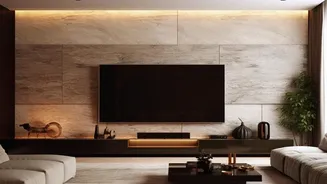
The word 'den' might conjure images of wood-paneled walls and old leather armchairs, but its 2026 revival is anything but dated. Today’s den is less a formal, specific room and more a concept: a flexible, multi-purpose space designed for private pursuits.
The pandemic fundamentally changed how we use our homes, turning them into offices, classrooms, and gyms overnight. This intense, 24/7 use of our living spaces revealed the downside of the long-reigning open-plan layout; when everyone is home all the time, a lack of privacy and personal space becomes a real problem. As a result, homeowners and designers are re-embracing the idea of smaller, separated rooms that offer a quiet retreat from the main living areas.
Why We Crave a Personal Niche
The comeback of the den is driven by a collective desire for balance and wellness. In an always-on world, we need a place to disconnect, indulge in hobbies, and simply be quiet. This trend is a direct response to a few modern pressures. Firstly, the lines blurred by remote work have made it essential to have a space that is definitively not for work. Secondly, there's a growing movement towards analogue hobbies and digital detoxes, which require physical space. People need a corner for yoga, a table for crafting, or a quiet chair for reading. In urban Indian apartments, where space is a premium, this translates to a demand for clever, flexible layouts that can accommodate these needs.
How to Carve Out Your Den
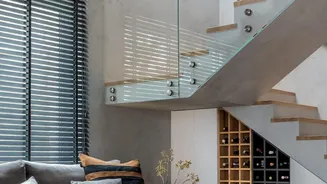
You don’t need a spare bedroom to create a den. The modern interpretation is all about adaptability. Start by identifying an underused area in your home. This could be a wide hallway, the corner of a living room, a nook under the stairs, or even a section of a large balcony. The key is to define its purpose. Will it be a reading sanctuary, a creative studio, a meditation spot, or a bit of everything? Once you have a purpose, you can begin to design the space. Even small changes, like adding a rug to define the area, bringing in dedicated lighting, and choosing a comfortable chair, can transform an overlooked corner into a functional retreat.
The Perfect Reading Nook
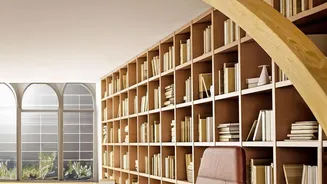
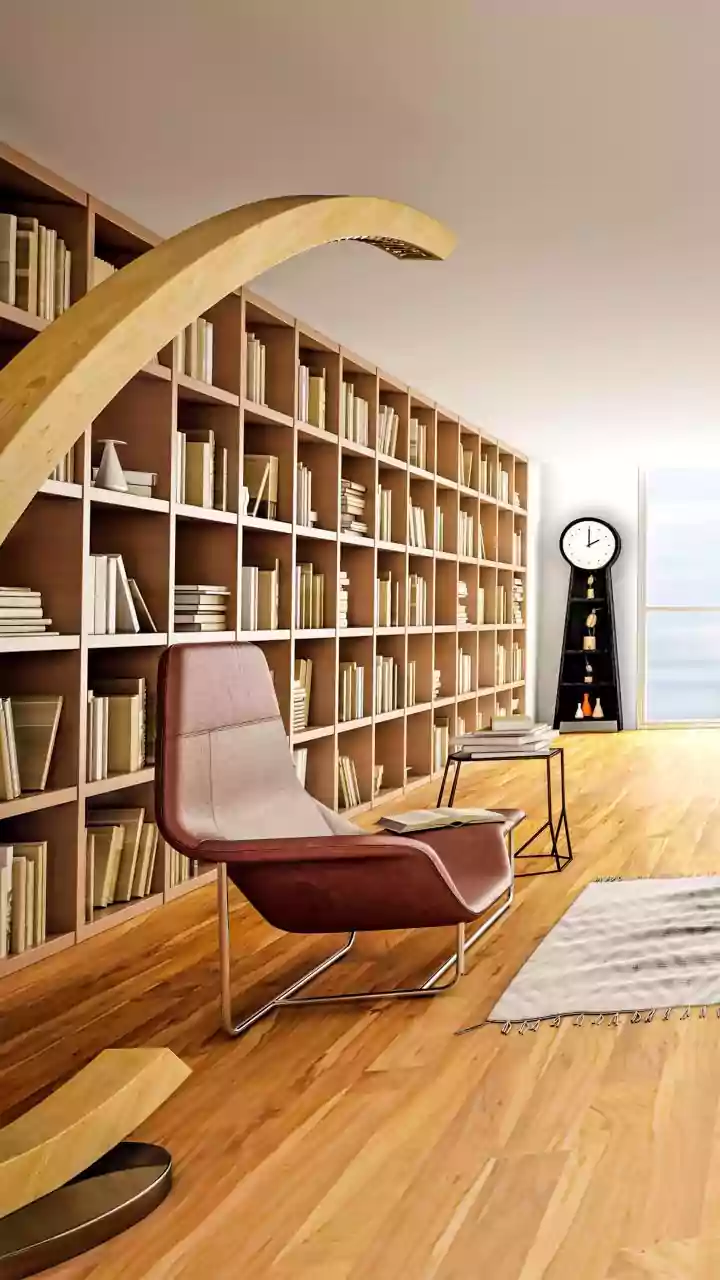
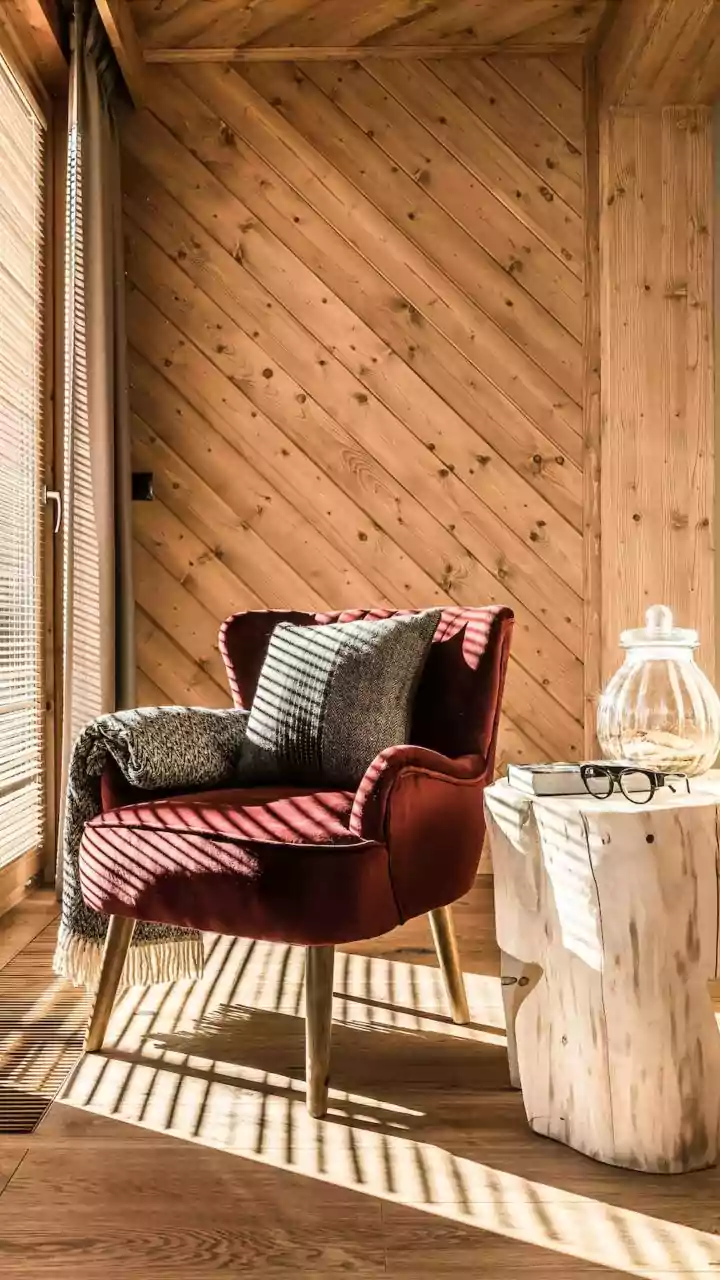
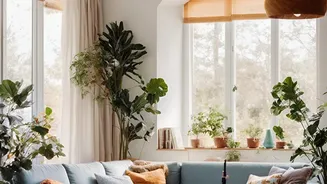
For many, the ultimate luxury is a quiet place to read. A successful reading nook has three essential ingredients: comfortable seating, good lighting, and accessible storage for books. You don’t need a huge armchair; a simple floor cushion, a small bench with cushions, or a comfy accent chair will do. Lighting is crucial; position your nook near a window for natural light, and add a dedicated floor or table lamp for evenings. For storage, think vertically. Slim, wall-mounted shelves or a movable book cart can hold your current reading list without taking up floor space. Finally, make it cozy with personal touches like a soft blanket, your favourite cushions, and perhaps a small side table for a cup of tea.
A Space for Hobbies and Passions
A flexible den is the perfect place to nurture a hobby. The key is smart organization and multi-functional furniture. For artists, this could mean an easel that folds away and a rolling cart for paints and brushes. For someone into crafts or sewing, a desk that folds down from the wall can serve as a workspace, with materials stored in attractive boxes on nearby shelves. For fitness enthusiasts, it’s about creating a clear floor space with smart storage for a yoga mat, weights, and resistance bands. The goal is to make it easy to start and stop your hobby, so clutter doesn’t take over the space when it’s not in use. This trend is about making room for joy in our daily lives.