
Gujarat’s Grand Garba
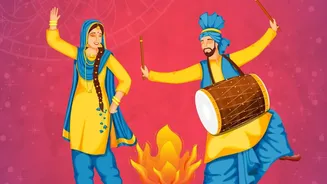
When one thinks of Navratri, the mind instantly conjures images of Gujarat's vibrant Garba and Dandiya Raas. Cities like Ahmedabad, Vadodara, and Surat transform into massive dance floors where thousands of people, dressed in colourful chaniya cholis
and kediyus, dance in synchronised circles. The energy is infectious, with live folk music setting the rhythm from dusk till dawn. These events are not just dances; they are a celebration of community, devotion, and pure joy. For an authentic experience, visit the state-organised festivals or the popular events at large grounds where the scale of the celebration is truly breathtaking. It's the longest dance festival in the world, offering nine nights of unparalleled energy. Plan ahead, as accommodations and event passes get booked quickly by locals and travellers alike.
Kolkata’s Creative Canvas
In West Bengal, Navratri unfolds as the magnificent Durga Puja. The city of Kolkata becomes a living art gallery, with thousands of temporary temples, or 'pandals', each boasting a unique theme, artistic idols, and spectacular lighting. Pandal hopping is the primary activity, with locals and tourists alike exploring the creative marvels, from traditional designs in North Kolkata's heritage homes (Bonedi Baris) to avant-garde installations in the south. The festival is also a culinary delight, with street food stalls offering an array of Bengali delicacies. The celebration culminates on Vijayadashami with Sindoor Khela, a ritual where married women smear vermilion on each other, followed by the emotional immersion of the idols in the Hooghly River. It's a cultural immersion unlike any other.
Mysuru’s Royal Pageantry
For a taste of regal grandeur, head to Mysuru for Dasara, celebrated as the 'Nadahabba' or state festival of Karnataka. The entire city revolves around the celebrations, but the centrepiece is the majestic Mysuru Palace, illuminated by nearly 100,000 bulbs, creating a sight to behold. The festival celebrates the victory of Goddess Chamundeshwari over the demon Mahishasura. The ten-day event features cultural performances, food festivals, and wrestling competitions. The highlight is the Jamboo Savari or the Dasara Procession on Vijayadashami. A decorated elephant carries the idol of the Goddess in a 750-kg golden howdah, marching from the palace to the Bannimantap grounds in a parade that includes cultural troupes, musical bands, and decorated elephants.
Kullu's Unique Dussehra
In a unique twist, the Navratri celebrations in Kullu, Himachal Pradesh, begin when they are ending in the rest of the country. The internationally acclaimed Kullu Dussehra is a week-long festival that commences on Vijayadashami. The main event is a spectacular procession where around 200 deities from surrounding village temples are brought to the Dhalpur maidan in ornate palanquins to pay obeisance to Lord Raghunath, the principal deity of the valley. The festival, which dates back to the 17th century, is a vibrant mix of religious devotion and cultural festivities, featuring folk music, dances, and a large fair that attracts tourists from around the world. It offers a deeply spiritual yet festive way to experience the triumph of good over evil in the lap of the Himalayas.
Varanasi’s Spiritual Theatre
While other cities celebrate with dance and public fairs, Varanasi offers a more spiritual and theatrical Navratri experience. The highlight is the Ramlila, a dramatic enactment of the Ramayana. The most famous of these is the Ramnagar Ramlila, a tradition over 200 years old that runs for an entire month without modern amplification, using lamplight for illumination. The whole city becomes a stage, with different episodes enacted at various locations. For nine nights, devotees also undertake a pilgrimage to nine different Durga temples scattered across the holy city. It is a deeply immersive experience, blending devotion with performance art, offering a serene and profound way to connect with the festival's spiritual core on the banks of the Ganga.