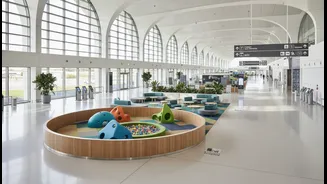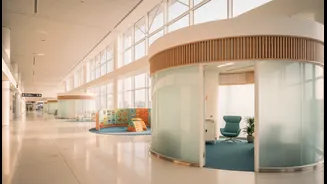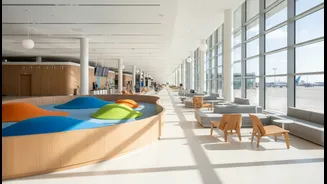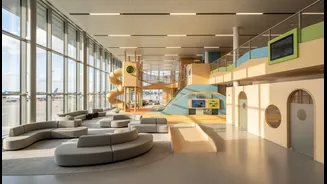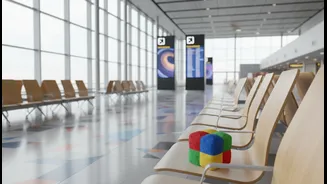




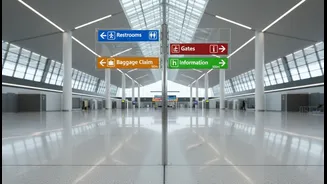
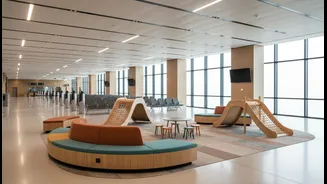
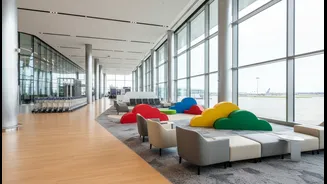


The Wish vs. The Reality
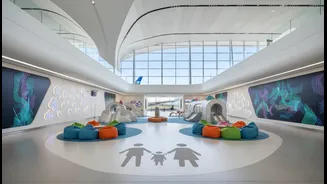
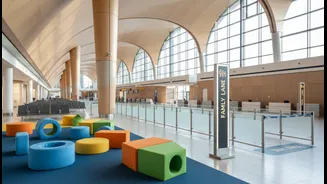
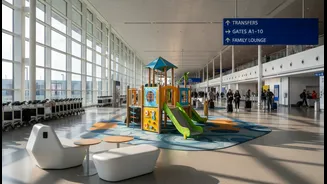
Every parent hopes for an airport journey with ample space, engaging play areas, and a seamless path from check-in to boarding. The reality, however, is often a frantic dash through crowded corridors, a desperate search for a baby changing station, and the
challenge of keeping children entertained during long waits. While some airports are making strides with family-friendly amenities, many parents find the facilities lacking. The core issue is that most airports are designed primarily for efficiency and security, not necessarily for the unique, unpredictable needs of families. Understanding this fundamental conflict is the first step to managing expectations and reducing travel-day stress.
Security and Space: The Core Constraints
The number one priority for any airport is security and the efficient processing of thousands of passengers. This dictates much of the terminal's layout. Security checkpoints are designed to screen individuals and their baggage methodically, a process that can be difficult for a family juggling strollers, car seats, and anxious toddlers. These zones are optimised for individual flow, not for groups who move at a different pace. Furthermore, the sheer size and scale of modern airports create another hurdle: distance. The long walks between check-in, security, and the departure gate are a simple function of providing enough space for dozens of large aircraft. This design necessity can exhaust little legs before the holiday has even begun. These operational and security mandates often take precedence over creating the meandering, restful spaces that families would benefit from.
The Commercial Imperative
After security and passenger flow, the next major influence on airport design is commerce. Airports are massive retail environments, and their layouts are engineered to maximise passenger exposure to shops and restaurants. This is why you often have to walk through a duty-free store to get to the gates. For airport operators, this “dwell time” is a significant revenue opportunity. Research shows that families with children often spend more time and money at airports. This has led to a rise in family-oriented retail like toy stores, but it also means the environment is designed to encourage spending, which can be another source of stress for parents. The path to your gate is quite literally a retail journey, a factor that shapes every aspect of the terminal experience.
Indian Airports: A Mixed Bag
In India, the situation is evolving. Major hubs like Hyderabad, Delhi, and Bengaluru have been recognised for improving their family-friendly offerings. Hyderabad International Airport, for instance, was recently ranked among the world's most family-friendly for its dedicated play areas, well-equipped baby care rooms, and complimentary strollers. Delhi Airport's 'Family@DEL' initiative also provides dedicated lanes and seating areas. However, these are often standout examples. Many smaller airports may not have the same level of facilities. It's crucial for parents to research their specific departure, connection, and arrival airports beforehand to know what to expect. Websites for major airports usually list their family services, providing valuable information for planning.
Strategies for a Smoother Journey
Knowing the limitations of airport design, parents can adopt smarter strategies. First, prepare for the journey within the journey. Look at terminal maps online before you leave home to locate amenities like play areas, nursing rooms, and family washrooms. Pack a dedicated 'airport bag' with more snacks and activities than you think you'll need. Consider using a baby carrier for easier navigation through crowded areas. To manage the long walks, make the journey part of the adventure with games like 'I Spy' or even bring a compact ride-on suitcase for your child. Finally, talk to your children about what to expect—the waiting, the walking, and the security checks—to mentally prepare them for the day.