






A New Look at Healthy Eating
Recent research presented by Harvard's T.H. Chan School of Public Health is making waves in the nutrition community. The study, which followed over 200,000 U.S. adults for decades, found that the overall quality of a person's diet was a much stronger
predictor of health outcomes than the level of food processing. In simple terms, a healthy diet was linked with a lower risk of heart disease, type 2 diabetes, and premature death, while an unhealthy diet was linked with a higher risk, regardless of whether the foods were ultra-processed or minimally processed. This challenges the common belief that all UPFs are inherently bad and all minimally processed foods are good.
What is a 'Quality' Diet?
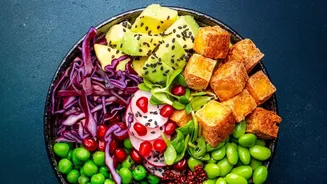
The study suggests that we should prioritize the nutritional quality of what we eat over getting caught up on the processing label alone. A high-quality, healthy diet, as defined by the researchers, is one rich in whole grains, fruits, vegetables, nuts, and legumes. An unhealthy diet was characterized by things like fast food, packaged snacks, and sugary drinks. The surprising part was that a healthy, plant-based diet showed strong protective benefits even when it included some ultra-processed items, like whole-grain breakfast cereals or plant-based meat alternatives. Conversely, an unhealthy diet made of minimally processed foods, like white rice and homemade desserts, was still linked to poorer health outcomes. This indicates that nutrients matter immensely.
Decoding 'Ultra-Processed'
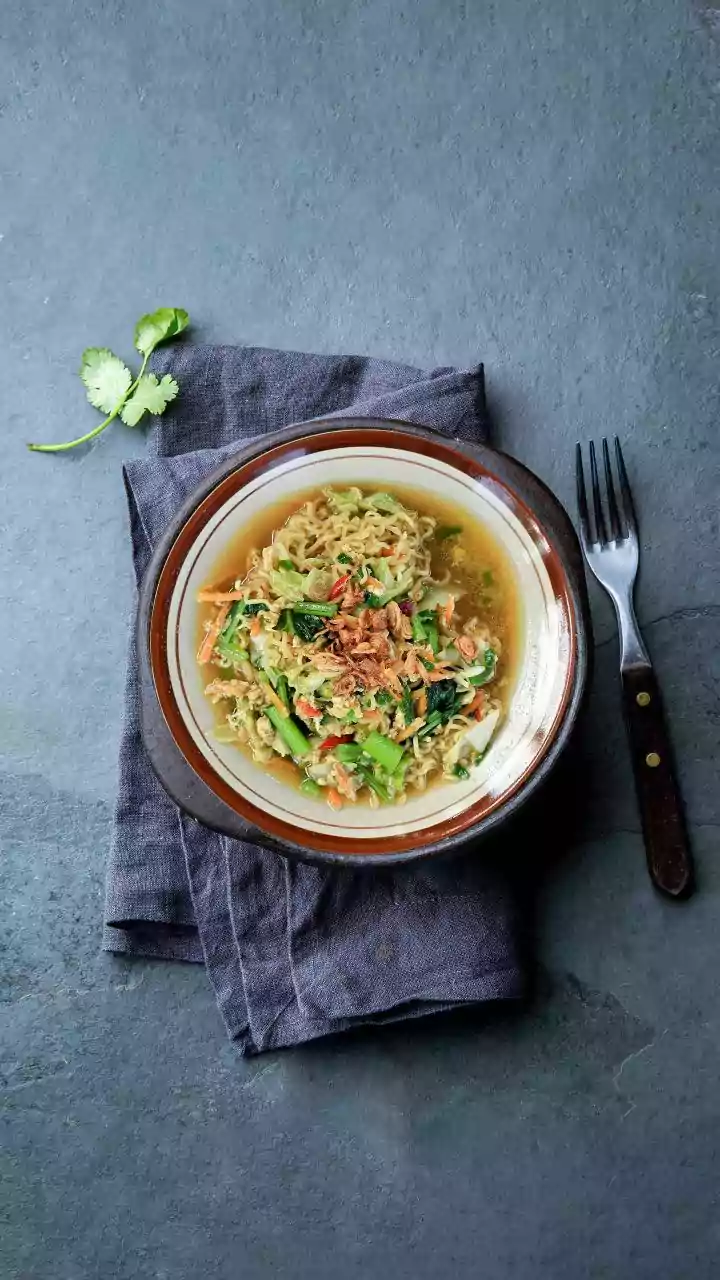
The term 'ultra-processed' can be confusing. It generally refers to industrial food formulations made from substances extracted from foods or synthesized in labs. These products often contain long lists of ingredients, including additives like colours, flavours, and emulsifiers that you wouldn't typically use in a home kitchen. Think of packaged snacks, sodas, instant noodles, and many ready-to-eat meals. This category is part of the NOVA classification system, which groups foods by their level of processing. While many studies have linked high UPF consumption to negative health outcomes like obesity and heart disease, this new perspective argues the category might be too broad, lumping beneficial foods in with the truly unhealthy.
A Balanced Plate in a Busy World
So, how does this translate to your grocery shopping? The goal isn't to start filling your cart with junk food. Instead, it's about a more balanced and less anxious approach. Rather than eliminating foods just because they are processed, focus on addition. Aim to build a diet where about 75% of your plate consists of whole or minimally processed foods like vegetables, fruits, beans, and whole grains. For the other 25%, you can include some processed items. The key is to choose wisely. Opt for nutrient-dense processed foods like wholemeal bread, canned beans, or fortified cereals over those high in sugar, salt, and unhealthy fats. Reading labels is your best tool to differentiate between a healthier UPF and a less healthy one.
The Bigger Picture: Moderation and Awareness
It’s important to note that this new research is still emerging and adds nuance, rather than completely overturning, previous findings. The consensus remains that diets high in nutrient-poor UPFs are linked to health risks. What this study provides is a crucial reminder that context is key. A single food doesn't make or break a diet; it's the overall pattern that counts. Rather than demonizing all convenience foods—some of which can make healthy eating more accessible and affordable—the focus should be on building a foundation of whole foods and making informed choices about the processed items we include. As one researcher put it, people should prioritize the quality of food rather than focusing solely on the level of processing.