


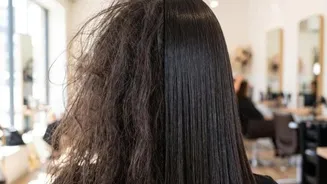
As dry, cold air arrives, so do itchy scalps and lacklustre hair. This seasonal shift strips moisture, leaving your scalp tight and hair brittle. But a simple, time-honoured ritual can help: massaging the scalp with nourishing oils.
Why Your Scalp Needs a Boost in Dry Months
Winter air and indoor
heating have low humidity, which draws moisture from your skin and scalp. This can disrupt the scalp's natural barrier, leading to dryness, flakes, and a tight, uncomfortable feeling. Furthermore, this environment can make hair more prone to breakage. A scalp massage intervenes by directly stimulating blood vessels. This increased circulation delivers more oxygen and essential nutrients to the hair follicles, which are the tiny organs responsible for producing hair. A well-nourished follicle is the foundation for stronger, healthier-looking hair. While not a cure for all types of hair loss, creating this healthy environment is a key supportive step.
The Science of Circulation and Sensation
The benefits of scalp massage are twofold, involving both mechanics and biology. Physically, the gentle pressure from your fingertips helps dilate blood vessels just beneath the skin. Studies have shown that regular massage can increase blood flow, which is crucial for delivering the building blocks hair needs to thrive. Some research suggests this physical stretching of the cells may even encourage follicles to produce thicker hair shafts over time. Beyond the circulatory benefits, scalp massage is a powerful tool for stress reduction. The scalp has a dense network of nerves, and massaging it can help lower stress hormones like cortisol, which is linked to hair shedding. This calming effect helps both your mind and your hair health.
Choosing the Right Nourishing Oil
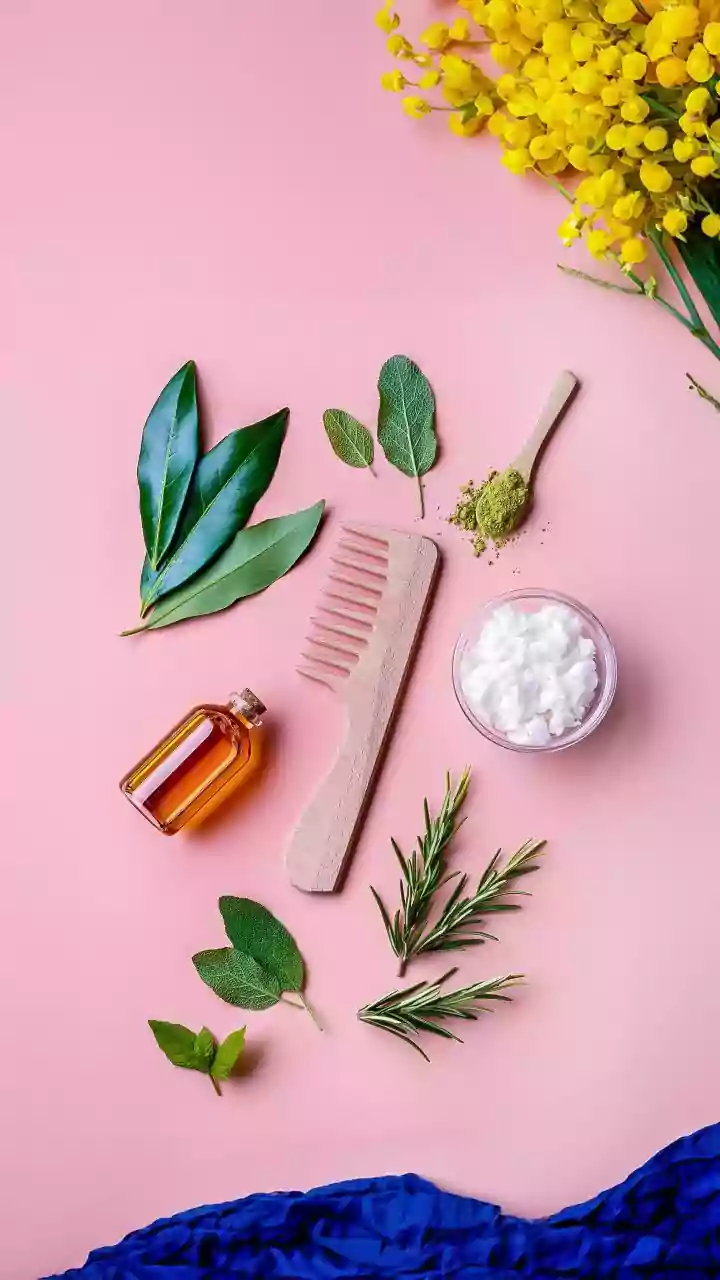
The oil you choose acts as both a lubricant for the massage and a conditioning treatment for your scalp and hair. Different oils offer unique benefits: Coconut Oil: Known for its ability to penetrate the hair shaft, coconut oil is excellent for deep moisturisation and reducing protein loss, which helps prevent breakage. Its antimicrobial properties can also help maintain a healthy scalp balance, though it can be heavy for fine hair. Almond Oil: A lightweight and gentle option, sweet almond oil is rich in Vitamin E and fatty acids. It's an excellent emollient, meaning it helps soften the skin and restore the scalp's moisture barrier without feeling greasy, making it suitable for most hair types. Rosemary Oil: This essential oil is a powerhouse for scalp health. Praised for its anti-inflammatory properties, it's often used to soothe irritation. Studies have shown it improves circulation to the scalp, creating an ideal environment for hair growth. Always dilute it with a carrier oil like coconut or almond oil before application. Jojoba Oil: Technically a wax ester, jojoba oil's structure is remarkably similar to the skin's natural sebum. This allows it to moisturize and soothe a dry, itchy scalp without clogging pores, making it a great choice for those with sensitive skin or who are prone to buildup.
How to Perform an Effective Scalp Massage
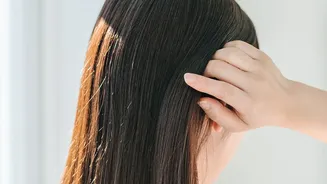
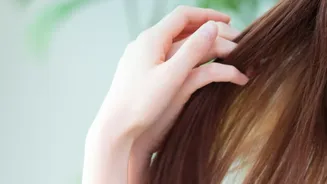
Consistency is more important than perfection. Aim for a 5–10 minute massage a few times per week. 1. Prepare the Oil: Start with one to two tablespoons of your chosen carrier oil (like coconut or almond). You can add 3–5 drops of an essential oil like rosemary. For an enhanced experience, gently warm the oil by placing its container in a bowl of warm water. 2. Apply the Oil: Part your hair into sections and use your fingertips or a dropper to apply the oil directly to your scalp. This ensures even distribution and prevents making your hair lengths overly greasy. 3. Begin the Massage: Using the pads of your fingertips (not your nails), apply gentle to medium pressure on your scalp. Start at your hairline and work your way back, using slow, circular motions. 4. Vary Your Movements: Incorporate a gentle kneading motion, as if you are kneading dough. Don't forget the area behind your ears and at the nape of your neck, where tension often accumulates. 5. Let it Absorb: After your massage, let the oil sit for at least 30 minutes to a few hours to allow it to nourish the scalp and hair. For a deep treatment, you can leave it in overnight and wash it out the next morning.