
The Enduring Sweetness of Tradition
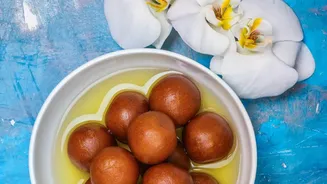
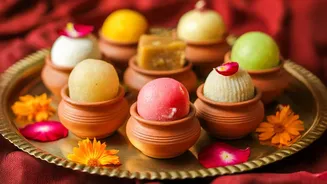
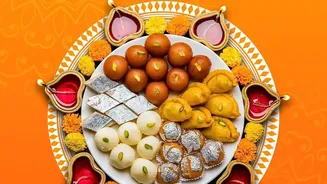
Janmashtami, celebrating the birth of Lord Krishna on what will be September 4th this year, is synonymous with a grand feast known as 'Chhappan Bhog', a traditional offering of 56 delectable dishes. For generations, this has included rich, ghee-laden
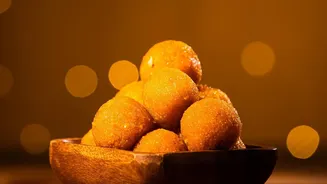
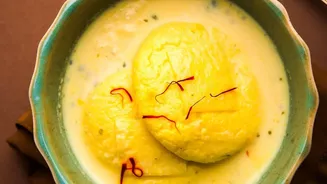
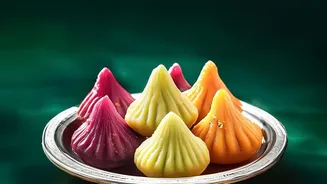
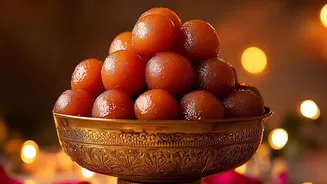
sweets like Panjiri, Makhana Paag, and creamy Pedas. The star of the show has always been Makhan Mishri, a simple blend of fresh white butter and rock sugar, symbolising the playful innocence of a young Krishna, lovingly called 'Makhan Chor' or the butter thief. These preparations are not just food; they are an act of devotion, a taste of divine love passed down through centuries.
A New Generation's Health-Conscious Bhog
However, a noticeable shift is underway, driven largely by younger generations who are more attuned to wellness and mindful eating. Amidst rising awareness about lifestyle diseases, many are seeking ways to honour tradition without compromising their health. The goal is no longer just indulgence, but a celebration that nourishes both body and soul. This has led to a creative re-imagining of age-old recipes, where the essence of the prasad remains untouched, but the ingredients get a modern, healthy makeover. The festive spirit remains, but the guilt associated with sugary excess is beginning to fade.
Updating the Sacred Pantry
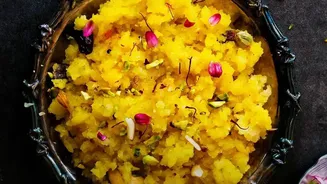
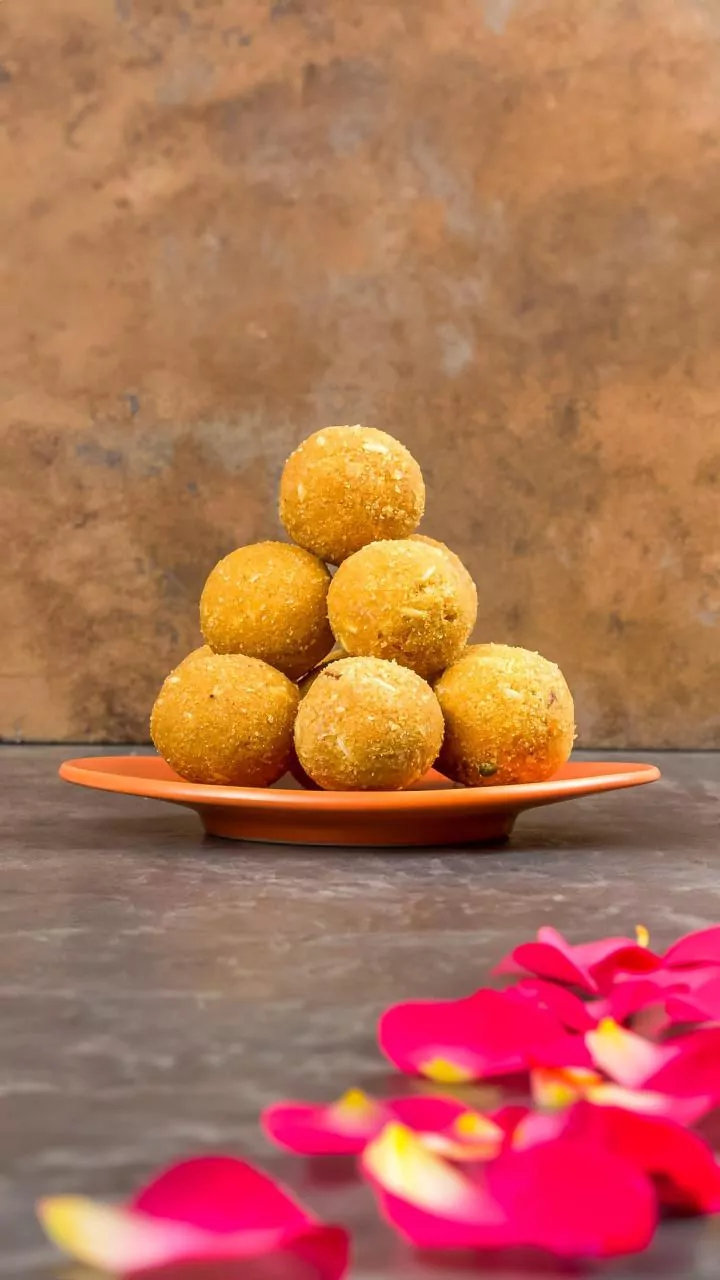
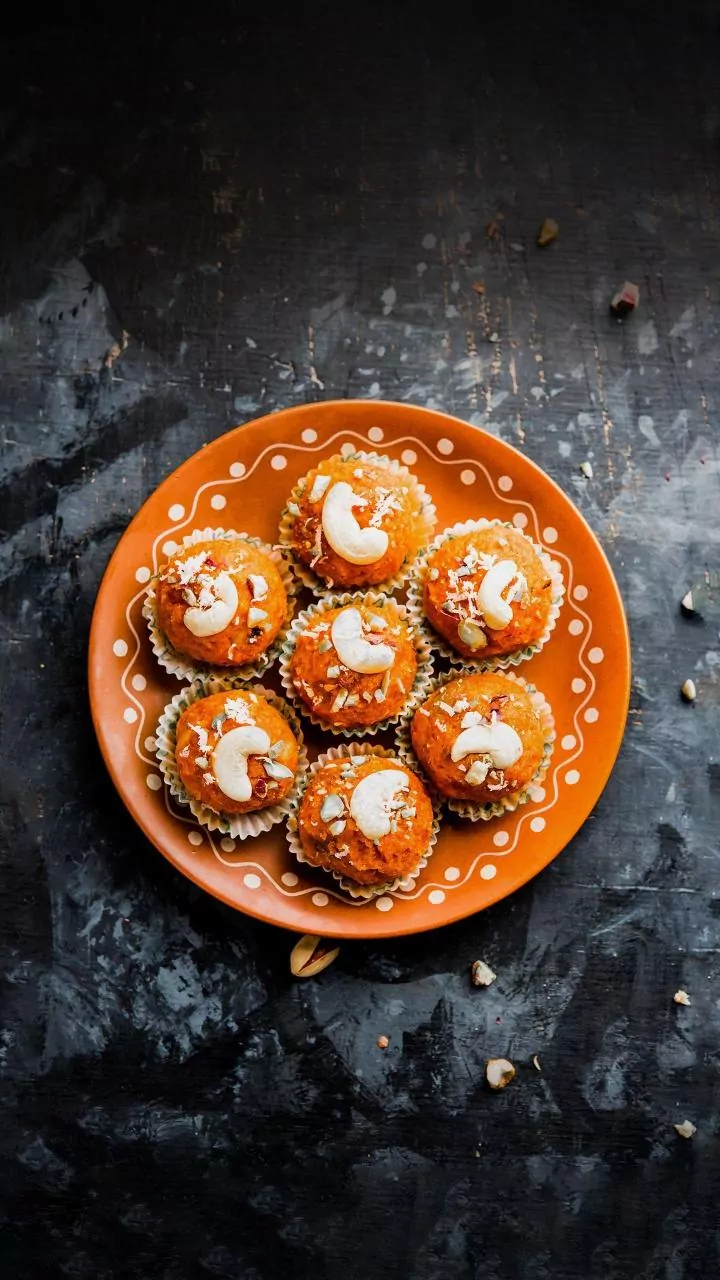
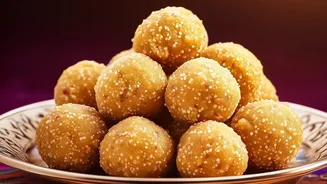
The single biggest change is the dethroning of refined white sugar. In its place, home cooks are enthusiastically embracing natural sweeteners. Jaggery (gur), with its earthy sweetness and rich mineral content of iron and magnesium, is the most popular substitute. Date paste, coconut sugar, and even stevia are also making appearances in festive sweets. For instance, Dhaniya Panjiri is now frequently prepared with powdered jaggery instead of sugar. Similarly, laddoos are being crafted from dates, nuts, and seeds, offering energy without the sugar crash. Even flours are being swapped, with nutrient-dense millets like ragi and jowar replacing refined maida in some preparations.
Modern Recipes for a Modern Festival
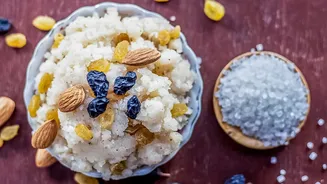
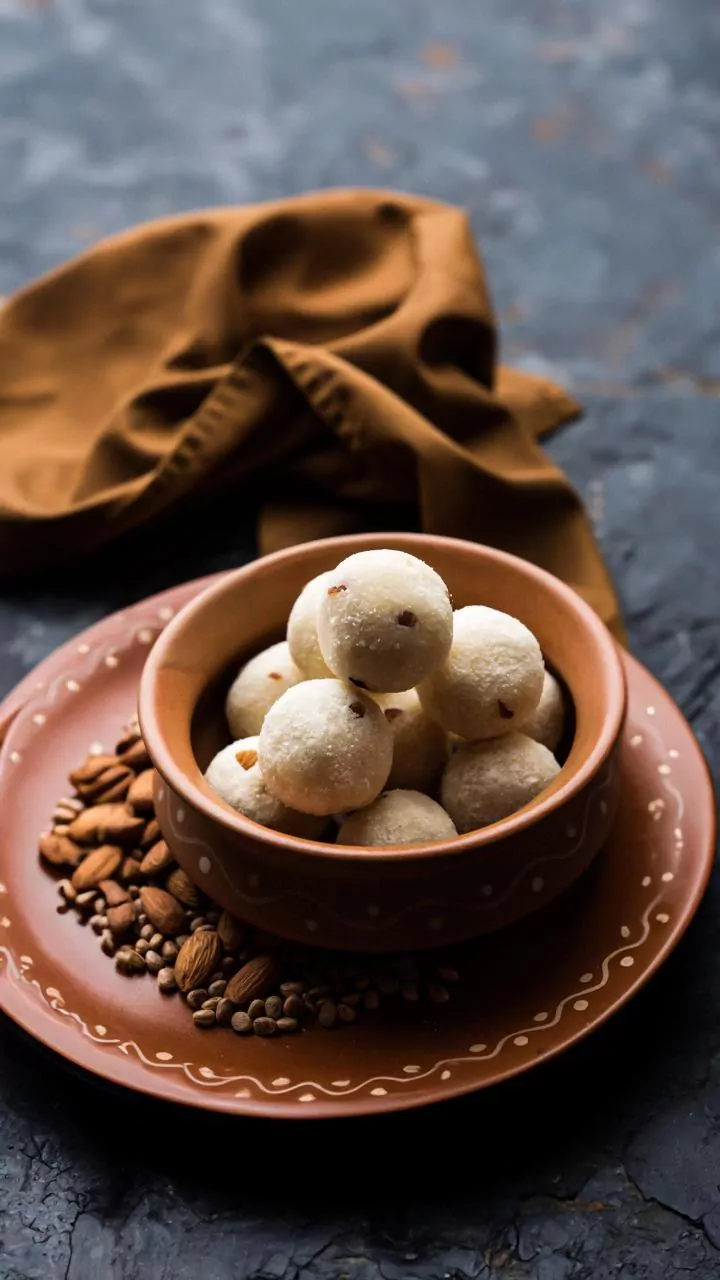
The result is a delightful new array of Janmashtami treats. One can now find recipes for Sugar-Free Shrikhand, where the traditional sweet yogurt dish is sweetened naturally. Makhana Kheer is being prepared with low-fat milk and a touch of jaggery, retaining its creamy texture and flavour. Coconut laddoos are bound with jaggery syrup instead of sugar syrup, giving them a deeper, caramel-like flavour. This culinary innovation isn't confined to a few urban kitchens. Recipes and ideas are spreading rapidly through family WhatsApp groups and social media feeds, as younger family members introduce these healthier alternatives to their elders, creating a beautiful fusion of ancestral wisdom and contemporary health knowledge.
Tradition Evolving, Not Erased
This trend isn't about rejecting tradition but ensuring its continuity. By adapting these cherished rituals to modern health realities, the younger generation is making them more relevant and sustainable. It's a testament to the dynamic nature of Indian culture, which has always found ways to evolve without losing its core values. The essence of Janmashtami lies in the act of preparing and offering food with love and devotion. Whether that offering is sweetened with sugar or with dates, the sentiment remains the same. This shift ensures that these traditions will not only survive but thrive, finding a cherished place in the healthier homes of the future.