


The Old Vacation Model Is Fading
For decades, the Indian professional's holiday was a carefully orchestrated sprint. It involved hoarding earned leave for a once-a-year escape, usually crammed into a couple of weeks. The goal was to disconnect entirely, see as much as possible, and return
to a mountain of emails. This model was a direct product of rigid, office-centric work culture. However, the widespread adoption of remote and hybrid work models has dismantled this old rhythm. Professionals are no longer tethered to a physical desk, and this newfound location independence is rewriting the rules of leisure. Instead of one big trip, many are now opting for multiple shorter getaways throughout the year, blending work and travel seamlessly.
Enter the 'Workcation' and 'Bleisure' Era
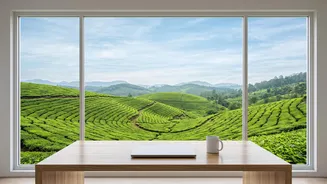
Two new terms have entered the Indian professional’s lexicon: 'workcation' and 'bleisure'. A workcation is exactly what it sounds like: working remotely from a holiday destination, trading office walls for mountain views or beachside cafes. 'Bleisure' involves extending a business trip for a few days of personal leisure. These are no longer niche concepts; they are booming trends. Indian professionals are global leaders in this space, taking an average of 7.4 bleisure trips annually, well above the global average of 6.4. A staggering 77% of Indian business travellers in the Asia-Pacific region now extend their work trips for leisure, the highest rate in the region. This shift is driven by a desire to escape urban burnout, find a better work-life balance, and make travel more cost-effective.
From a Fortnight to a Few Months
Perhaps the most significant change is the length of the holiday itself. When your office is just a laptop and a Wi-Fi connection away, a two-week trip can easily become a two-month stay. Professionals can now relocate to destinations like Goa, Manali, or Rishikesh for extended periods without taking a career break. This has given rise to a new style of 'slow travel'. Instead of rushing through a checklist of tourist spots, people are choosing to live like locals, immersing themselves in the culture of a place. This is fundamentally altering the travel mindset from a short-term 'escape' to a longer-term, integrated experience. Improved and affordable internet connectivity across the country has been a key enabler of this trend, making it possible to stay productive even from relatively remote areas.
A Boom for Offbeat and Domestic Destinations
This new travel style is a massive boon for India's domestic tourism sector. With professionals no longer limited by short vacation windows, the traditional concept of 'off-season' is beginning to disappear. Destinations once considered seasonal are now seeing healthy occupancy year-round. Homestays, long-stay hostels, and boutique resorts in Tier-II and Tier-III towns are benefiting immensely. This trend encourages a more distributed model of tourism, moving travellers away from overcrowded hotspots and into less-explored regions. Even entire villages are adapting; Yakten in Sikkim, for instance, has developed infrastructure specifically to cater to this new class of 'digital nomads'.
The New Challenges of Blended Travel
While the combination of work and travel offers incredible freedom, it’s not without its challenges. The primary non-negotiable is a stable, high-speed internet connection, which can still be a gamble in some remote locations. There is also the real risk of burnout if clear boundaries aren't established between work hours and leisure time. The very appeal of a workcation—being 'always on' in a beautiful place—can also be its biggest drawback. Furthermore, the influx of long-term visitors can lead to rising rents and cultural friction in small communities, raising important questions about sustainable tourism that balances economic benefits with local well-being.