





A Small Pin, A Serious Hazard
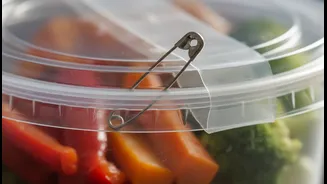
It’s a scenario familiar to anyone who has bought a cake from a local bakery: a cardboard box, hastily folded and secured with a few metal staples to keep the lid in place. While seemingly harmless, this common practice poses a significant and often overlooked
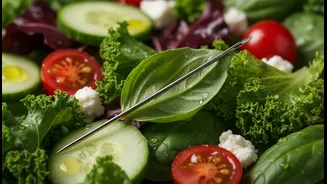
risk. These small metal pins can easily become dislodged during transport or while opening the box. If a staple falls into the cake unnoticed, it can lead to serious health consequences if ingested. The risks are not trivial. Accidentally swallowing a metal pin can cause painful cuts to the mouth, throat, and oesophagus. It presents a major choking hazard, especially for children. If the staple makes its way into the digestive system, it can cause internal injuries and bleeding, potentially requiring emergency medical intervention. Beyond the physical injury, there's also the risk of contamination from rust or germs that the pin may carry.
India's Food Authority Steps In
Recognizing this threat, the Food Safety and Standards Authority of India (FSSAI) has taken a firm stance. In recent directives, the FSSAI has explicitly instructed all food business operators (FBOs) to immediately discontinue the use of metallic pins, staples, and wires for packaging any food item. This ban covers everything from cake and sweet boxes to takeaway food parcels and snack pouches. The authority highlighted that it had received several reports of metal pins being found inside food products, creating a significant public health hazard. The FSSAI's directive is not merely a suggestion; it is a mandate under the Food Safety and Standards Act, 2006. Businesses that fail to comply face the prospect of penal action, including hefty fines. The move is part of a broader effort to strengthen food safety standards across the country and eliminate avoidable risks to consumers.
The Search for Safer Alternatives
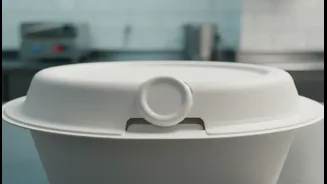
The FSSAI's prohibition on staples is compelling the food industry, particularly the unorganised bakery and sweet shop sector, to innovate and adopt safer packaging methods. Fortunately, numerous alternatives exist that are both effective and secure. Many manufacturers are now producing cake boxes with clever, built-in interlocking tabs and folds that create a sturdy, self-locking container without the need for any foreign objects. These designs are often just as quick to assemble and provide reliable closure. Other safe alternatives include the use of food-grade adhesive tapes or stickers to seal boxes. This not only secures the package but also offers an opportunity for branding. For businesses looking for more eco-friendly options, materials like bagasse (sugarcane fibre), PLA-coated paper (made from corn starch), and even palm leaf are being used to create biodegradable and compostable containers that are completely food-safe.
What You Can Do as a Consumer
While regulators and businesses adapt, consumers have a crucial role to play in protecting themselves and their families. The first step is awareness. The next time you purchase a cake, mithai, or any packaged food, take a moment to inspect the box. Look for staples or any metal pins. If you find them, do not hesitate to ask the vendor for a safer, staple-free packaging option. Many responsible businesses will be happy to comply. When you bring a stapled box home, exercise extreme caution. Open the box carefully in a well-lit area, away from the food itself if possible. Check the cake and the inside of the box thoroughly to ensure no pins have fallen onto or into the product before serving it. It is especially important to be vigilant when children are present, as they are more vulnerable to the associated risks. By making conscious choices and voicing your preference for safer packaging, you contribute to a market-wide shift that prioritizes health over convenience.