



The Contenders
To settle this, we must summon the ghosts of champions past. Not every winner makes the cut. We’re looking for teams that didn’t just win, but defined an era, perfected a style, or were powered by a once-in-a-generation talent. Our shortlist includes
the romantic artists of Brazil 1970, the one-man army of Argentina 1986, the tiki-taka tyrants of Spain 2010, and the ruthless machine of Germany 2014. These are the titans. The criteria for judgment? Raw talent, tactical innovation, and sheer dominance in their time.
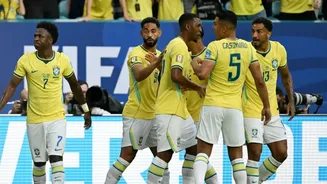
Brazil 1970: The Romantic Ideal
This is the team that made the world fall in love with football. Broadcast in vivid colour for the first time, their yellow shirts became iconic. Led by a masterful Pelé in his final tournament, the side was an avalanche of attacking brilliance. With Jairzinho scoring in every game, the creativity of Rivelino, and the leadership of Carlos Alberto, they played a fluid 4-2-4 that felt like pure joy. They didn’t just beat Italy 4-1 in the final; they danced around them, scoring one of the greatest team goals ever. Their weakness? In a modern context, their swashbuckling style could leave them defensively exposed to a more disciplined, tactical side.
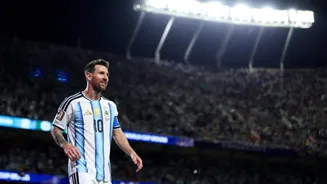
Argentina 1986: The Force of Genius
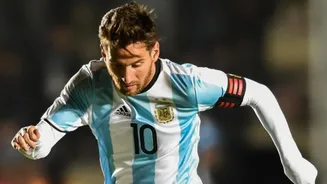
This team is less about a system and more about a deity. Diego Maradona in 1986 is arguably the single most dominant performance in World Cup history. He dragged a workmanlike team to glory, scoring the 'Goal of the Century' and the 'Hand of God' in the same game against England. While players like Jorge Burruchaga and Jorge Valdano were crucial, this was Maradona’s tournament. In our fantasy showdown, their success hinges on one question: could any defence, from any era, contain a player at the absolute peak of his powers? They were a team of grit and spirit, elevated to immortality by one man’s divine talent.
Germany 2014: The Modern Machine
The culmination of a decade-long revolution in German football. This team was a perfect hybrid of technical skill and athletic power. They weren’t reliant on one star; they were a collective. With Manuel Neuer reinventing the goalkeeper position as a 'sweeper-keeper', a midfield anchored by the metronomic Toni Kroos and the tireless Bastian Schweinsteiger, and a fluid attack, they were formidable. Their 7-1 demolition of Brazil in Belo Horizonte wasn't just a victory; it was a tactical execution. This side had the organisation to frustrate flamboyant teams and the firepower to dismantle any defence. They represent the peak of modern, systematic football.
Spain 2010: The Tactical Tyrants
Vicente del Bosque’s Spain didn’t always thrill, but they were inevitable. They won the World Cup by scoring just eight goals, winning their four knockout games 1-0. Their power wasn't in attack but in suffocation. With the midfield trio of Xavi, Andrés Iniesta, and Sergio Busquets, they perfected 'tiki-taka'—a style of possession football that starved opponents of the ball, energy, and hope. They would pass teams into submission. Defenders Iker Casillas, Carles Puyol, and Gerard Piqué formed an almost impenetrable wall. They were masters of control, turning every match into a chess game where they owned all the pieces.
The Verdict: Why Spain Would Reign Supreme
So, who wins? While Brazil 1970 captures the heart and Maradona’s 1986 team embodies sheer force of will, the ultimate champion would be Spain 2010. Why? Because football matches are often won in midfield, and no team in history has controlled a midfield like they did. They would deny Brazil’s attackers the ball, frustrating Pelé and Jairzinho. They would surround Maradona, cutting off his supply lines with a disciplined defensive shape. Against Germany’s 2014 machine, it would be a tactical stalemate, but Spain's ability to hold possession for minutes on end would ultimately dictate the tempo and grind out a victory. Their style is the ultimate kryptonite to every other form of football greatness. It may not be the most romantic choice, but in a battle of the best, Spain’s suffocating control and defensive perfection give them the decisive edge.