



Your Foundation: The Right Footwear
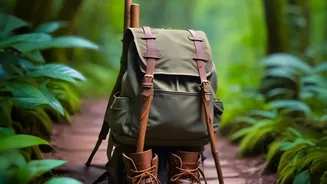
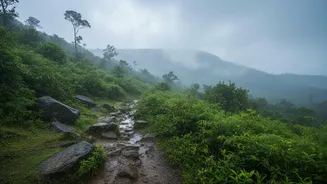
The single biggest mistake a trekker can make during the monsoon is wearing the wrong footwear. The terrain, a mix of slippery rocks, slushy mud, and flowing streams, demands shoes with exceptional grip. Look for trekking shoes with deep lugs and soft
rubber soles that hold firm on wet surfaces like moss-covered rocks. High-ankle support is crucial to prevent twists on uneven ground. While waterproof shoes sound ideal, many experienced trekkers advise against them for heavy, continuous rain. Water inevitably gets in from the top, and a waterproof lining then traps it, leading to waterlogged feet. Instead, consider well-ventilated, quick-drying shoes paired with waterproof or synthetic, non-cotton socks. Never wear brand-new shoes on a trek; always break them in first to avoid painful blisters.
Dressing Smart: Layers and Rainwear
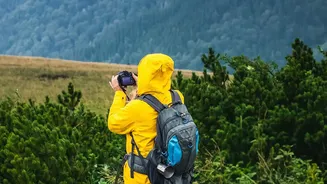
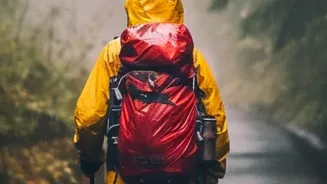
During a monsoon trek, you will get wet. The goal isn't to stay perfectly dry but to stay warm and prevent hypothermia. The key is layering with the right materials. Avoid cotton at all costs, as it absorbs moisture, gets heavy, and chills your body. Instead, opt for a base layer of quick-drying synthetic fabric like polyester. For your main rain protection, a poncho is often recommended over a two-piece rain suit. A good poncho will cover both you and your backpack, offering better ventilation and preventing the clammy, sweaty feeling a rain jacket can create in India's humid conditions. Pack at least one extra set of quick-dry clothes in a sealed dry bag. This ensures you have something warm and dry to change into at the end of the day.
Pack Protection: Keeping Gear Dry
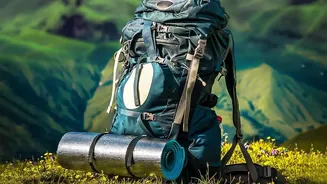
A wet sleeping bag or a dead phone can ruin a trek. Protecting your backpack and its contents is non-negotiable. Start with a reliable rain cover for your backpack. However, don't rely on a rain cover alone, as water can still seep through the back panel. The solution is a double-layer system. Use dry bags or, on a budget, multiple layers of sturdy plastic bags to compartmentalise and waterproof everything inside your pack. Pay special attention to electronics, your wallet, and your spare set of clothes. A waterproof pouch for your phone is also a wise investment, allowing you to navigate or take photos without exposing it to heavy rain.
The Essential Monsoon Safety Kit
A standard first-aid kit needs a few monsoon-specific additions. Leeches are a common nuisance in the forests of the Western Ghats. While mostly harmless, they can be unsettling. Carry anti-leech socks or apply a salt-water solution, sanitiser, or a salt pouch to make them detach. Insect repellent is a must, not just for leeches but for other insects as well. Your kit should also include antiseptic liquid, bandages, blister tape, and any personal medications. Due to frequent mist and rain, visibility can drop suddenly. A headlamp or a torch with extra batteries is essential, even on a day trek, in case you are delayed and have to navigate in low light.
Trekking Poles for Stability
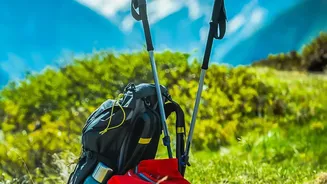
Often overlooked by beginners, a pair of trekking poles can be your best friend on a slippery monsoon trail. They provide two extra points of contact with the ground, drastically improving your balance on muddy slopes and rocky patches. Poles are invaluable during ascents, allowing you to use your upper body to propel yourself, and even more so on descents, where they absorb impact on your knees and prevent slips. They are also useful for gauging the depth of puddles or streams and for pushing aside thorny bushes. Investing in a sturdy, lightweight pair of trekking poles is one of the smartest safety decisions you can make.