




A Silent Crisis with Loud Consequences
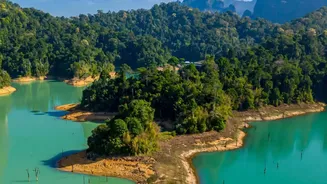
The latest data from the Central Water Commission is a clear warning. Following a weaker-than-average southwest monsoon, storage in 178 of the country's most important reservoirs is significantly below both last year's levels and the decadal average.
The situation is most severe in southern India, where reservoirs are only at 50% capacity. This isn't just a statistic; it's a direct threat to the water taps, agricultural output, and electricity supply that millions of Indians depend on. Urban India, with its rapidly growing population and intense water demand, is particularly vulnerable. Cities often rely on water transported from these very reservoirs, meaning their water security is directly tied to rainfall patterns that are becoming increasingly erratic due to climate change. When reservoirs fall, the pressure on already over-extracted urban groundwater intensifies, creating a vicious cycle of scarcity.
Lesson 1: Stop Looking for New Water, Manage What You Have
For too long, the default urban response to water stress has been to find a new, distant source—a river to dam, a far-off aquifer to tap. This supply-side approach is not only expensive and energy-intensive but also unsustainable. Experts argue the focus must shift from finding more water to better managing existing systems. This means tackling the massive losses in distribution networks, often called Non-Revenue Water (NRW). In some cities, as much as 30% of the water is lost to leakages before it even reaches a consumer's home. Implementing ward-level water audits, detecting and repairing leaks, and modernising pipelines are crucial, unglamorous steps that can 'create' more water than a new dam. This approach demands better governance, not just more concrete.
Lesson 2: Treat Every Drop Twice (or More)
The biggest untapped 'river' flowing through our cities is wastewater. Urban India generates over 72,000 million litres of sewage per day, but over 70% is discharged into the environment untreated. This is not just a source of pollution; it's a colossal waste of a valuable resource. The concept of a circular water economy, where used water is treated and recycled, is gaining traction. Progressive policies at the national level, such as AMRUT 2.0 and Swachh Bharat Mission 2.0, now mandate the reuse of treated wastewater for non-potable purposes like industry, construction, and recharging groundwater. Several states, including Gujarat, Maharashtra, and Karnataka, are leading the way with policies to mainstream this practice. For cities, investing in upgrading and expanding Sewage Treatment Plants (STPs) is no longer a choice but a necessity for long-term water security.
Lesson 3: Revive the Local, Embrace the Traditional
Before the era of long-distance pipelines, cities and towns survived on local water systems: lakes, ponds, step-wells, and robust groundwater aquifers. Rapid, unplanned urbanisation has destroyed or degraded many of these local buffers, covering them with concrete and buildings. This has a dual negative effect: it prevents rainwater from recharging the groundwater and contributes to urban flooding during heavy downpours. The lesson here is to look inwards and downwards. Making rainwater harvesting mandatory and effective for all new buildings—as cities like Pune and Bengaluru have done—is a critical first step. But beyond that, a concerted effort to rejuvenate and protect urban water bodies like lakes and wetlands can create a resilient local water network, reducing dependence on distant reservoirs. These 'sponges' can absorb monsoon deluges and release water during dry spells.